
When a brand language needs to be created from scratch
How do you define design culture? What does the concept include — principles, values, rituals within a team, the approach to decision-making, responsibility — or something else entirely?
For me, design culture is how a team thinks, makes decisions, and takes responsibility. It's principles, discipline, respect for the task, and the ability to get to the heart of things.
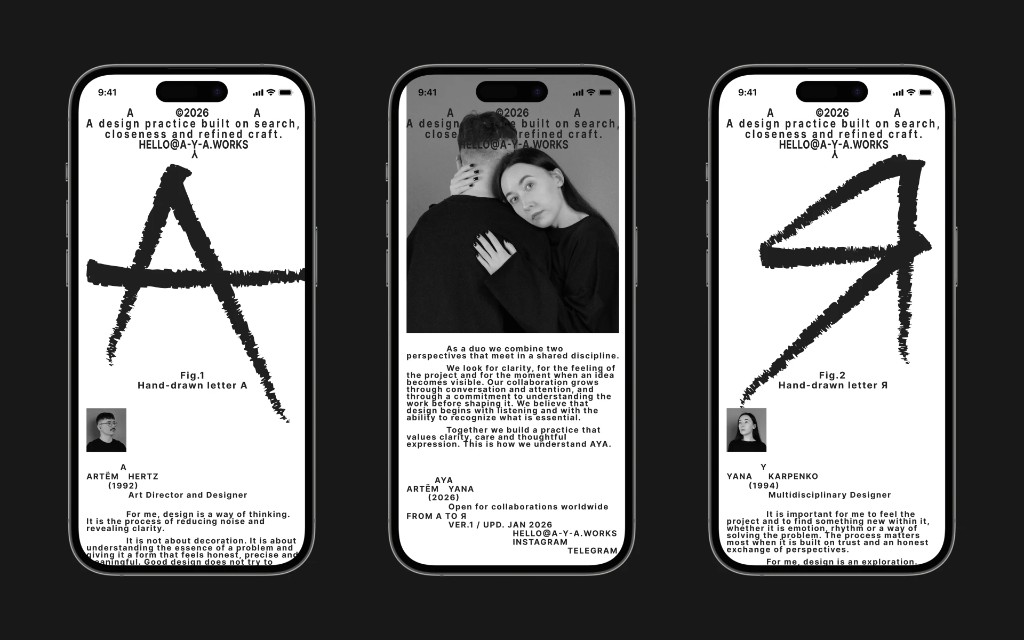
A bit about your journey: why design, and what drives you most about it right now? I'd love to hear about one or two cases that particularly shaped your perception of design or your approach.
I came to design naturally: it was always important for me to understand how a thing works and why. Right now, what drives me is working where a language needs to be created from scratch rather than following a template.
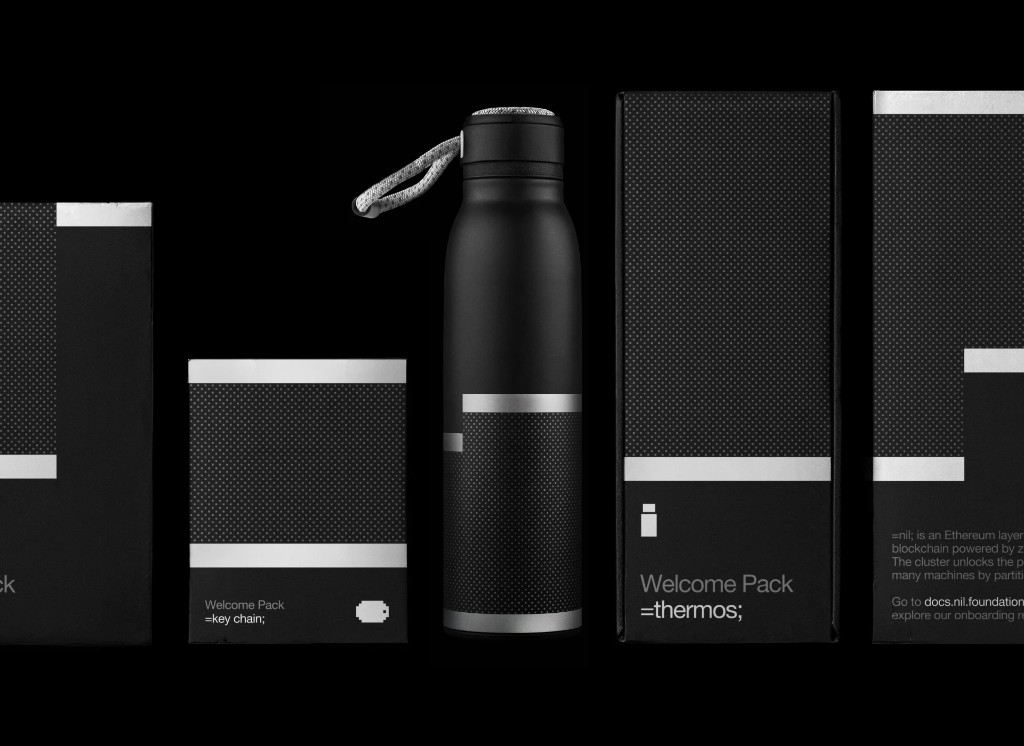
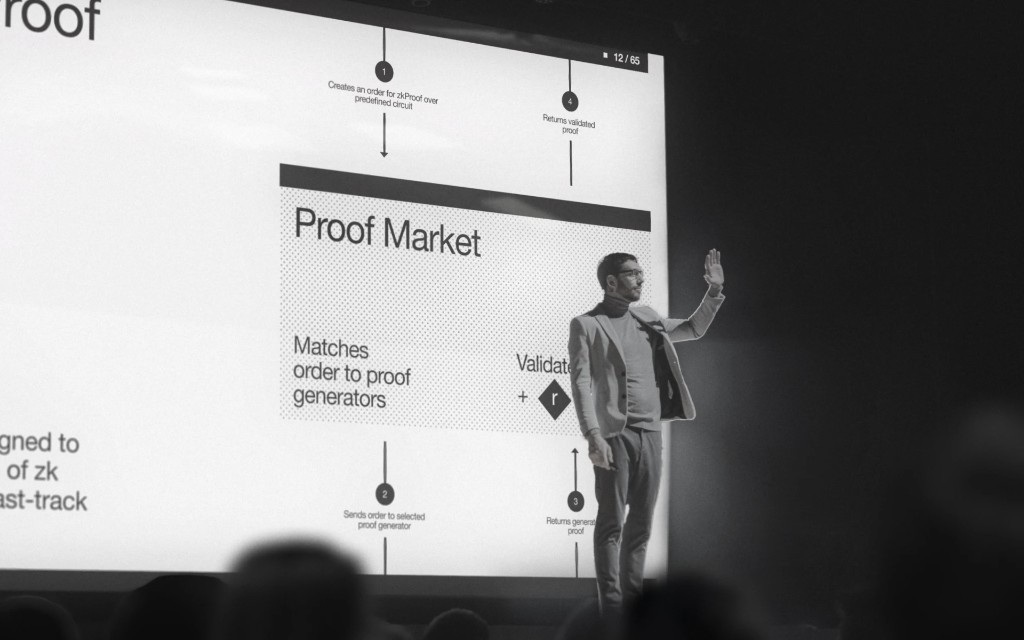
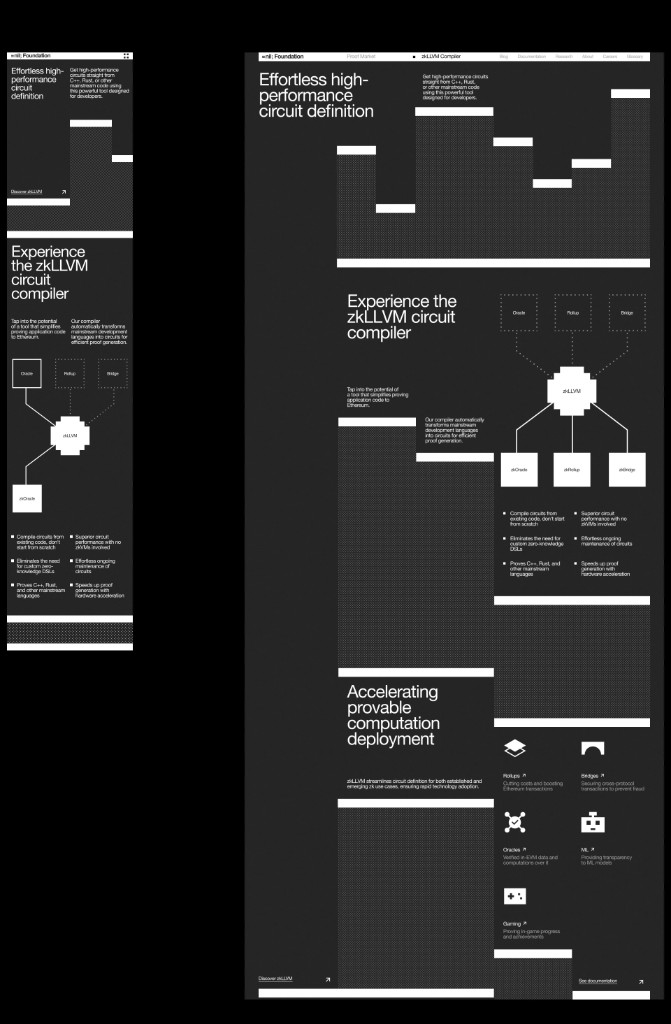
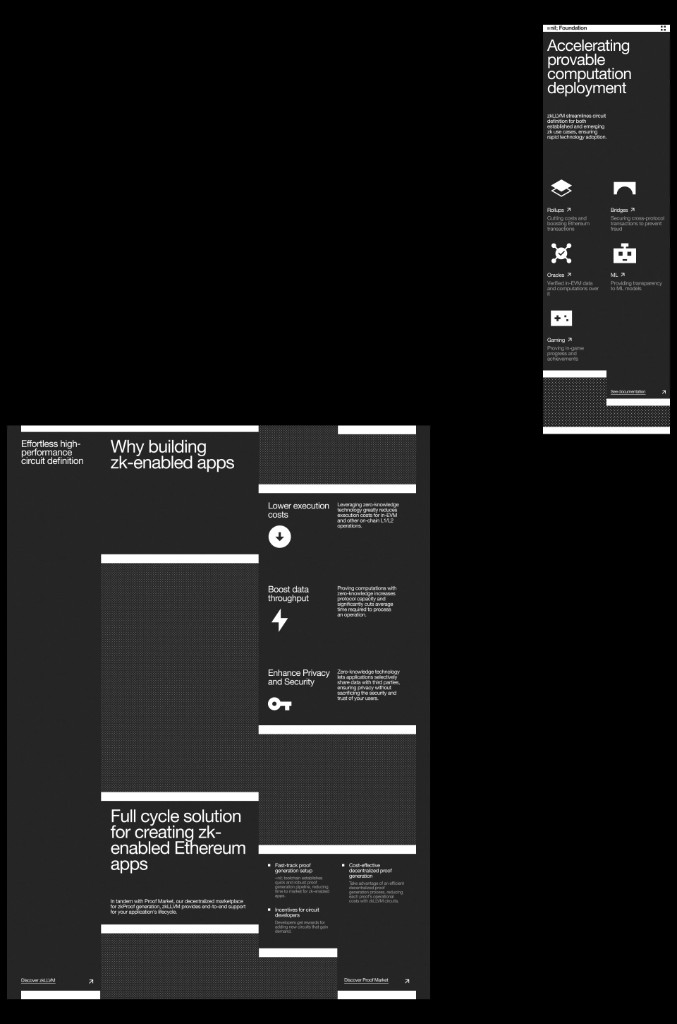
Nil Foundation — Nil became my entry point into blockchain. The visual system was built on the metaphor of a key formula and the equals sign (=) as a symbol of solution and equivalence. It was important to create an honest language that makes the technology clearer and more structured.
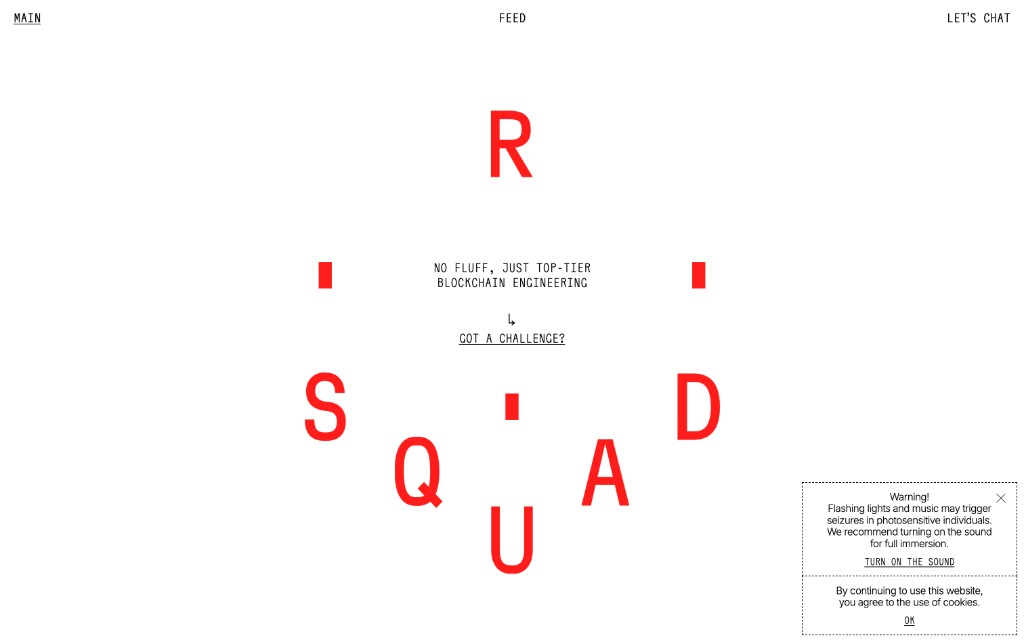
RSquad — a project that became a growth point: about finding expressiveness in a tech environment where there are many identical solutions and little genuine character. We're not revealing the details yet, but it definitely influenced my approach.
On personal growth: what external influences — teams, community, mentors, books — were the most significant for you? How have your sources of inspiration changed?
The strongest influences on me have been:
— The teams I've worked with. You constantly learn from the people around you, sometimes without even realizing it.
— The design community. Observing colleagues builds your visual literacy better than any book.
— Mentors and art directors I've had the chance to work with. They helped develop critical thinking, keep the bar high, and see beyond incoming tasks.
Sources of inspiration have changed. Before, it was visual references and case studies. Now, it's increasingly contexts, ideas, research approaches, and other people's decision-making logic.
What work practices or rituals have stayed constant? What keeps you charged the most? Is there a recurring pattern you've noticed?
— A pause before starting. I never dive into a task right away. I need time to feel its context.
— Checking whether decisions are honest. "Am I doing this because it's right, or because I'm used to doing it this way?" — that question comes up in my head a lot.
— The habit of finishing. It's important to me that a thing is completed with respect for the craft, even when the deadline is minimal.
— The recurring pattern — I always come back to the essence. When focus is lost, you need to return to why the solution exists at all.
Tell us about your experience at Redis studio. How did you translate values into design decisions? What did you prioritize first, and what remained secondary? Was it vision and the big idea, benefit for others, ethics, metrics, or something else?
At Redis, we tried to stay focused on the essence: what matters to the client and what makes the product clearer. That's where our design decisions started.
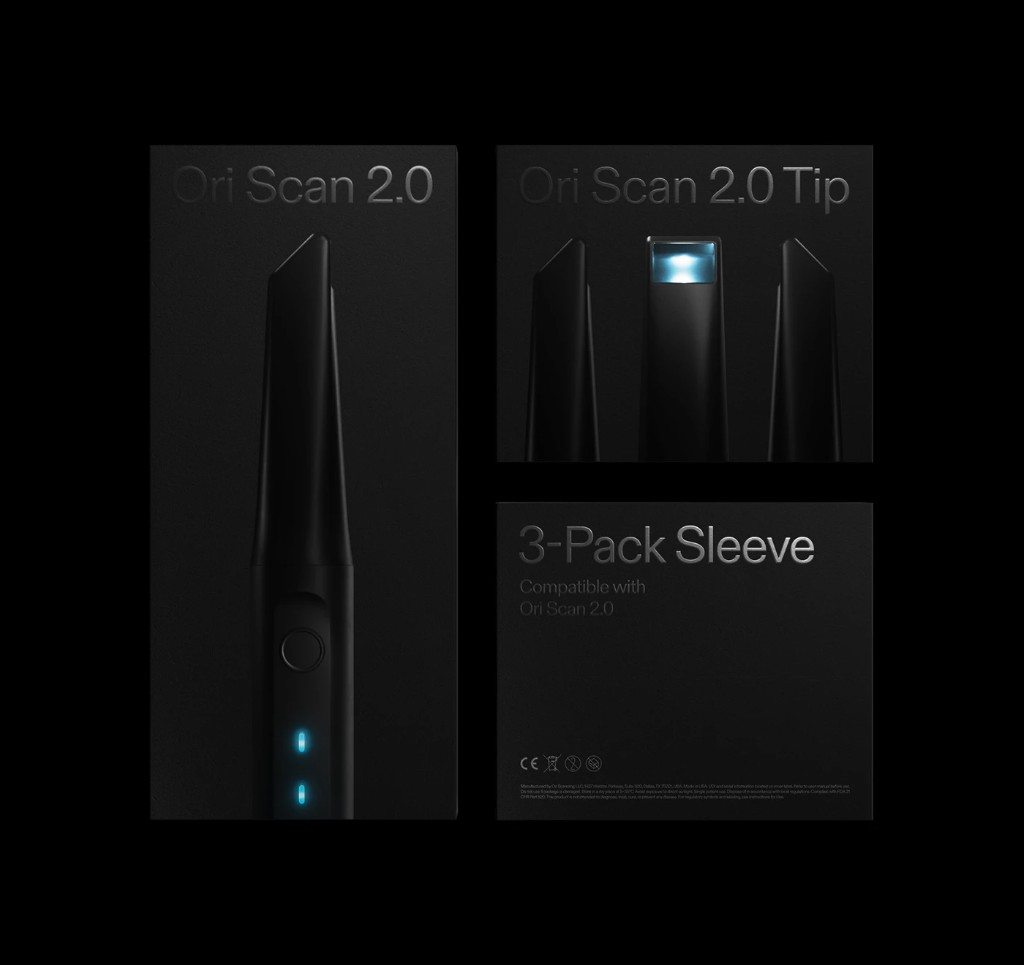
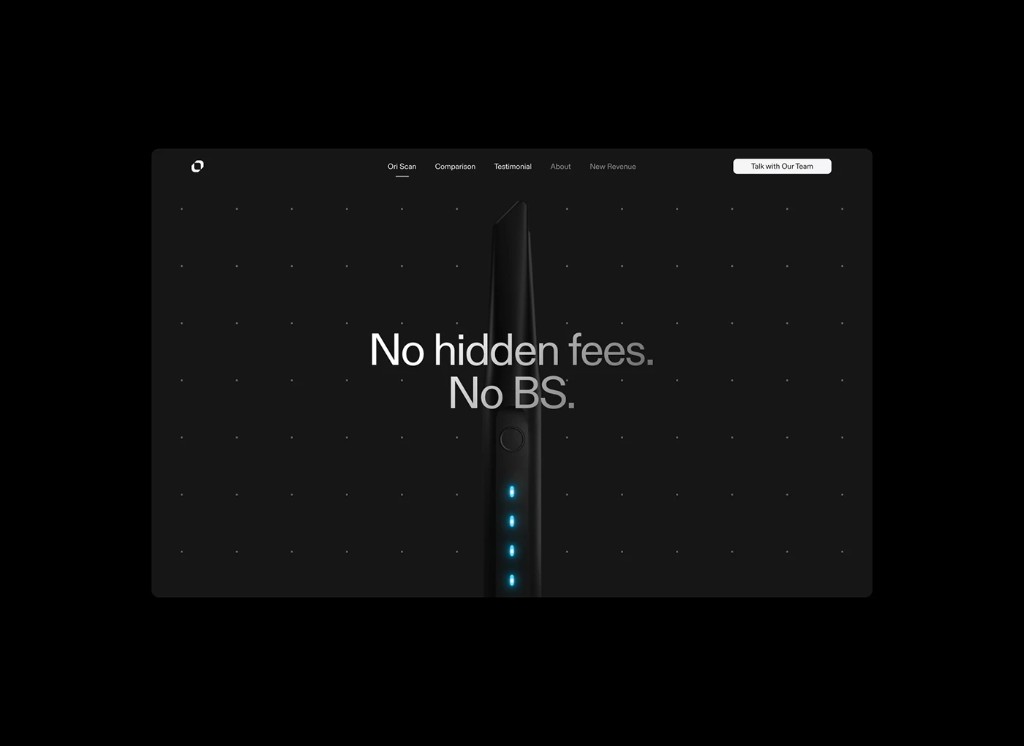
A good example is OriScan. In the Ori project, the challenge was to show a realistic 3D model of teeth and mouth to honestly convey how the technology works. But literal anatomical detail looked heavy and caused discomfort.
We were looking for a balance between:
— realism, which was important to the client, and visual expressiveness, which makes the product accessible.
We removed excessive detail, preserved the key shape, texture, and logic. That's how the visualization emerged — one that accurately represents the product while remaining clean, neat, and not overwhelming.
This is exactly an example of how Redis's values shaped the result: we chose honesty and usefulness over effect for effect's sake.
What is quality? What is good design?
Quality is attentiveness, respect for the craft, and the ability to explain your decision. Good design solves the problem, holds the context, and remains understandable without excuses.

Craft and technology (AI) — do you see a conflict between these concepts, or do they strengthen each other?
AI doesn't conflict with craft — only lazy use of tools does. If a designer understands what they're doing, AI strengthens the search and frees up time for meaning. But taste, responsibility, and thinking — it won't replace those.