
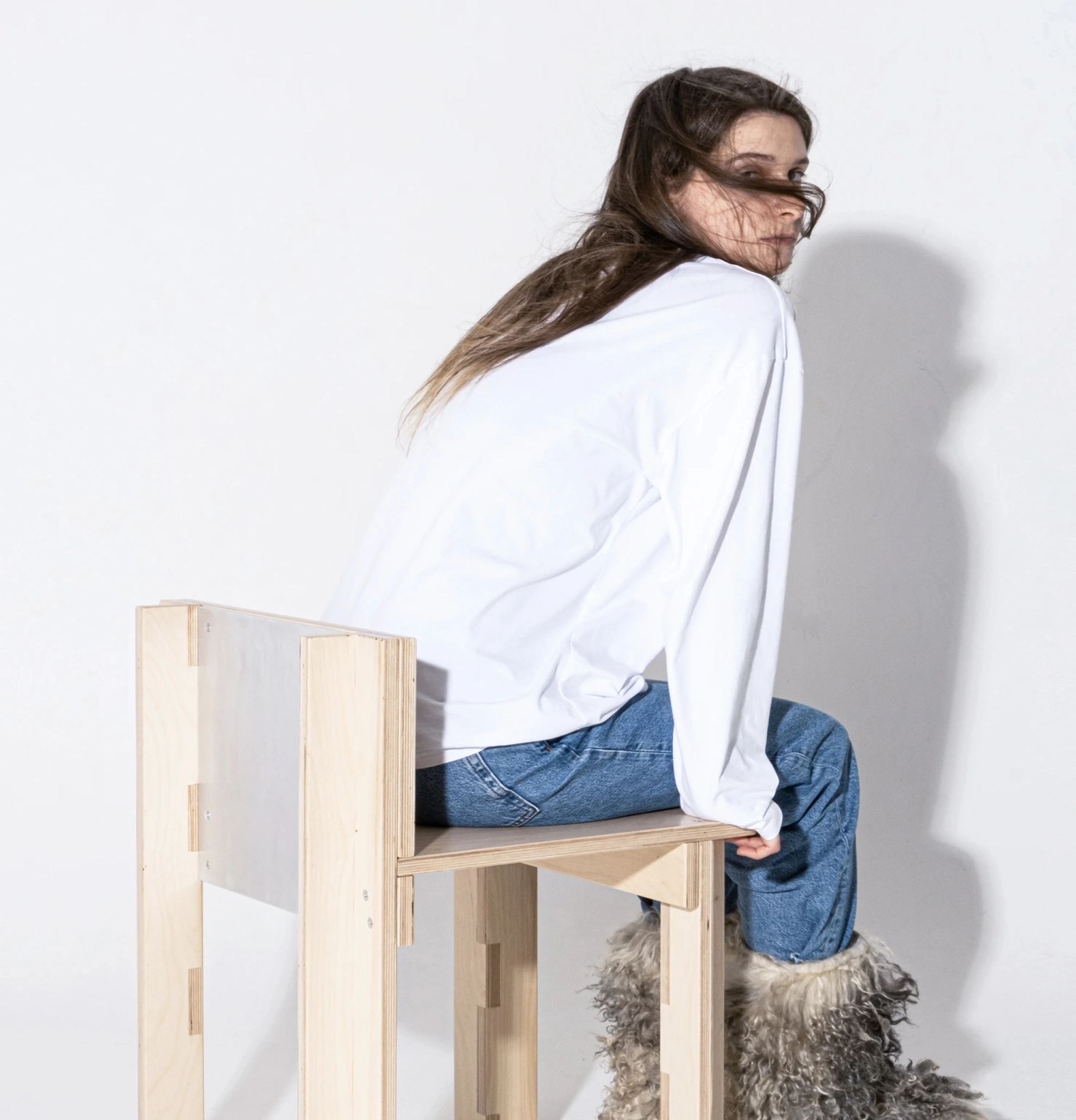
Masha Chern
From solo work to collaborations and caution with generative visuals
Masha came to communication design almost by accident. A conversation about the transition from solo work to teamwork and where AI loses her trust.
Masha came to communication design almost by accident. A conversation about the transition from solo work to teamwork and where AI loses her trust.
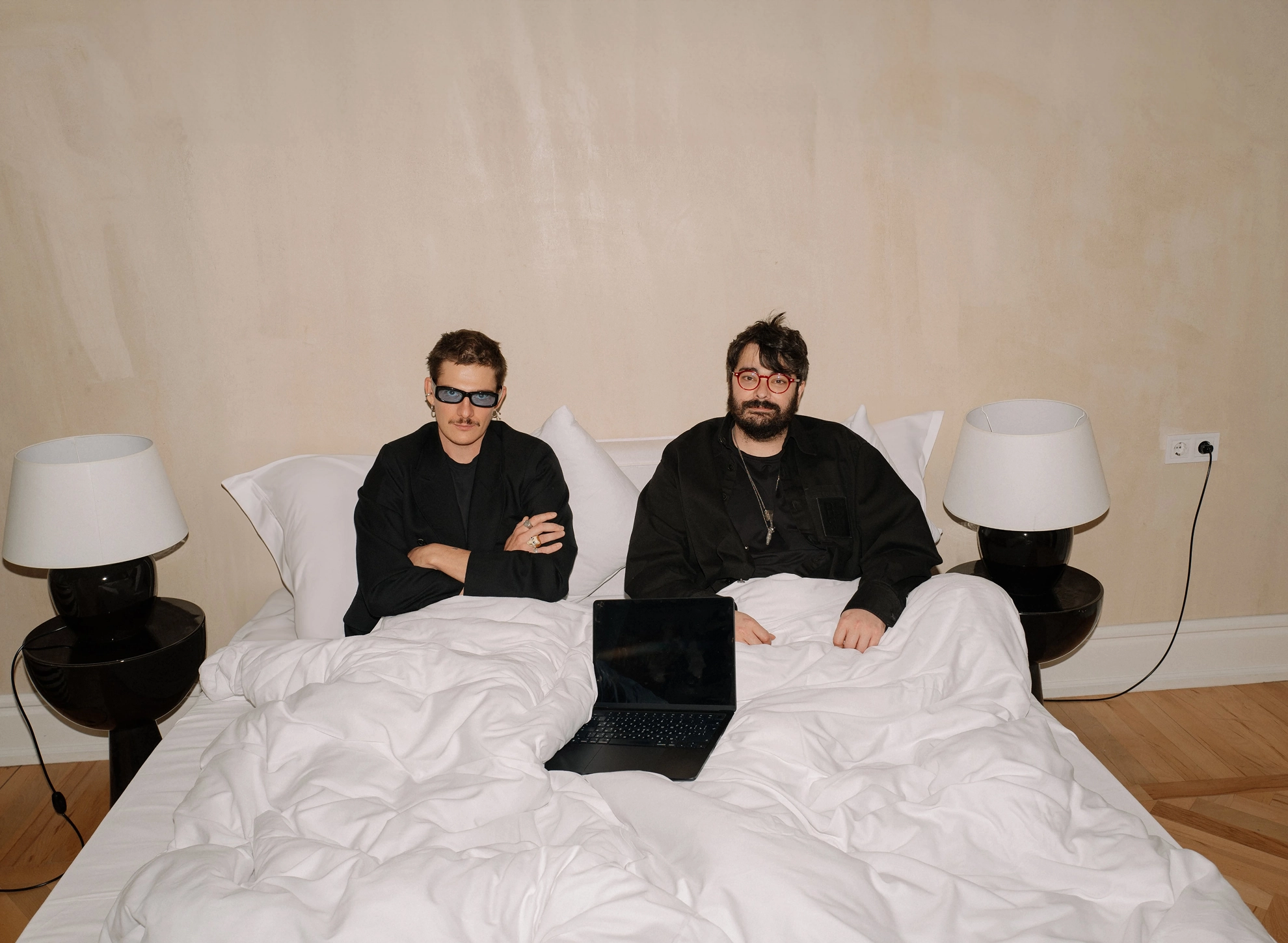
The studio of two Artyoms works "in counter-tone": to invent something new, you must deny the discipline you came from.
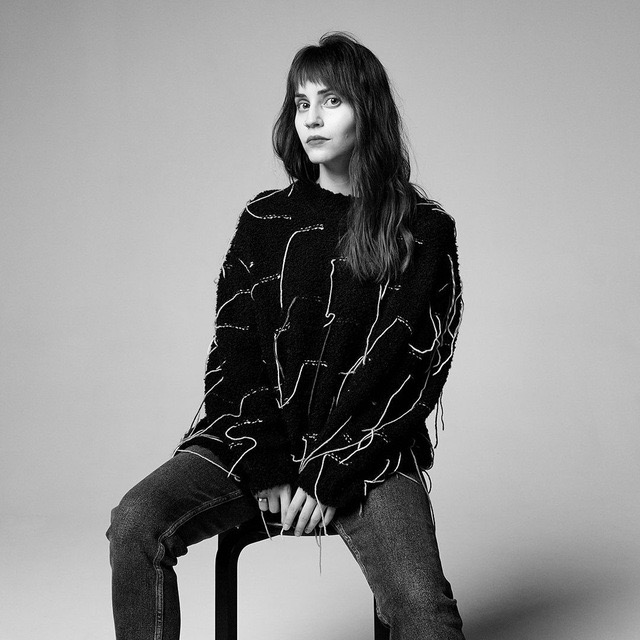
Dasha creates interactive visuals and teaches. Her main principle is to never stagnate: she discovered coding as an experienced professional and believes that curiosity to try different things drives the profession forward.
Gavril leads product design at Drinkit, having come to the profession from fashion. A conversation about the city, graphic language, and balancing interests.
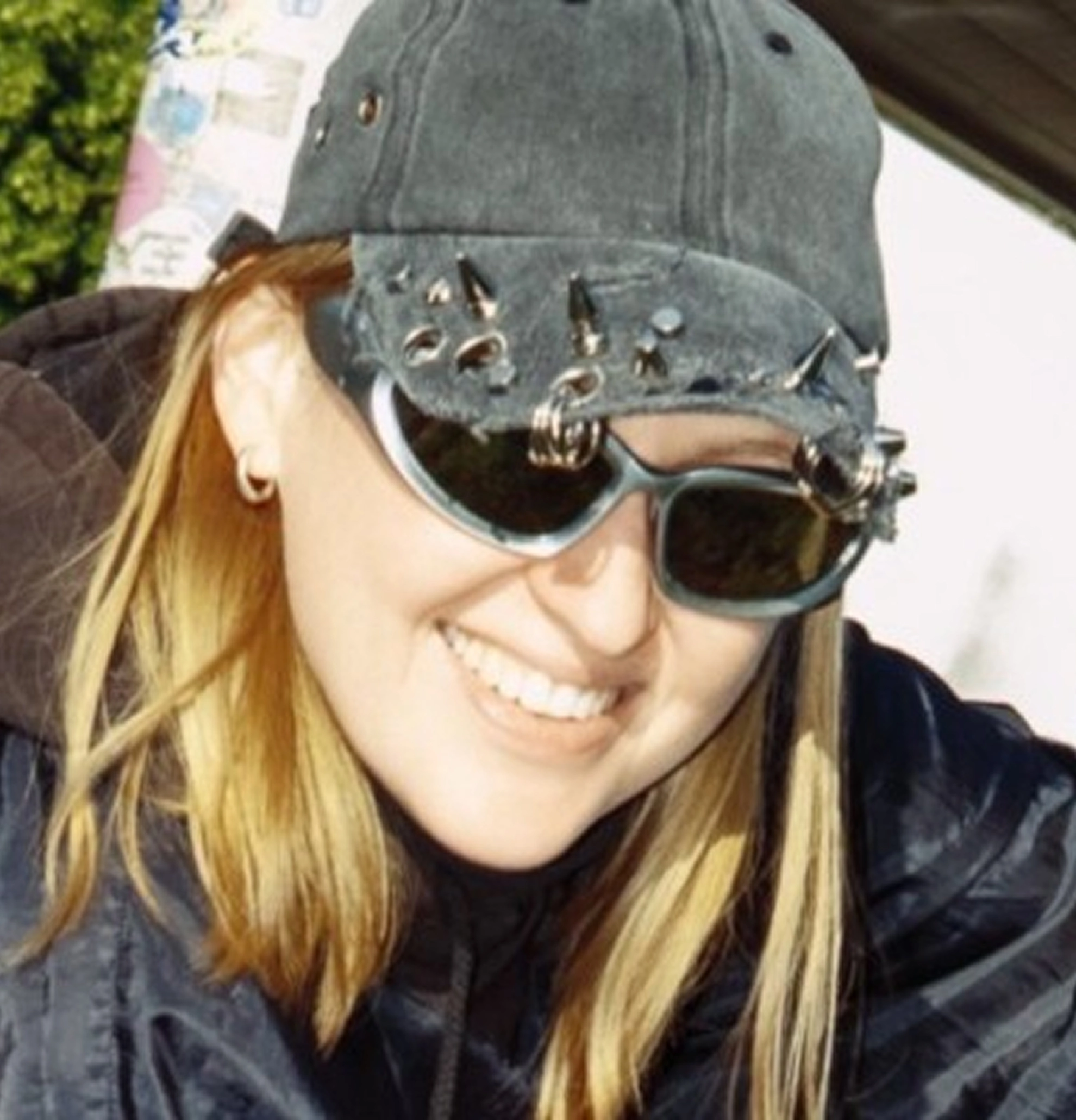
Polina is based in Berlin. On unexpected commissions, love for text, and doubts about AI visuals.
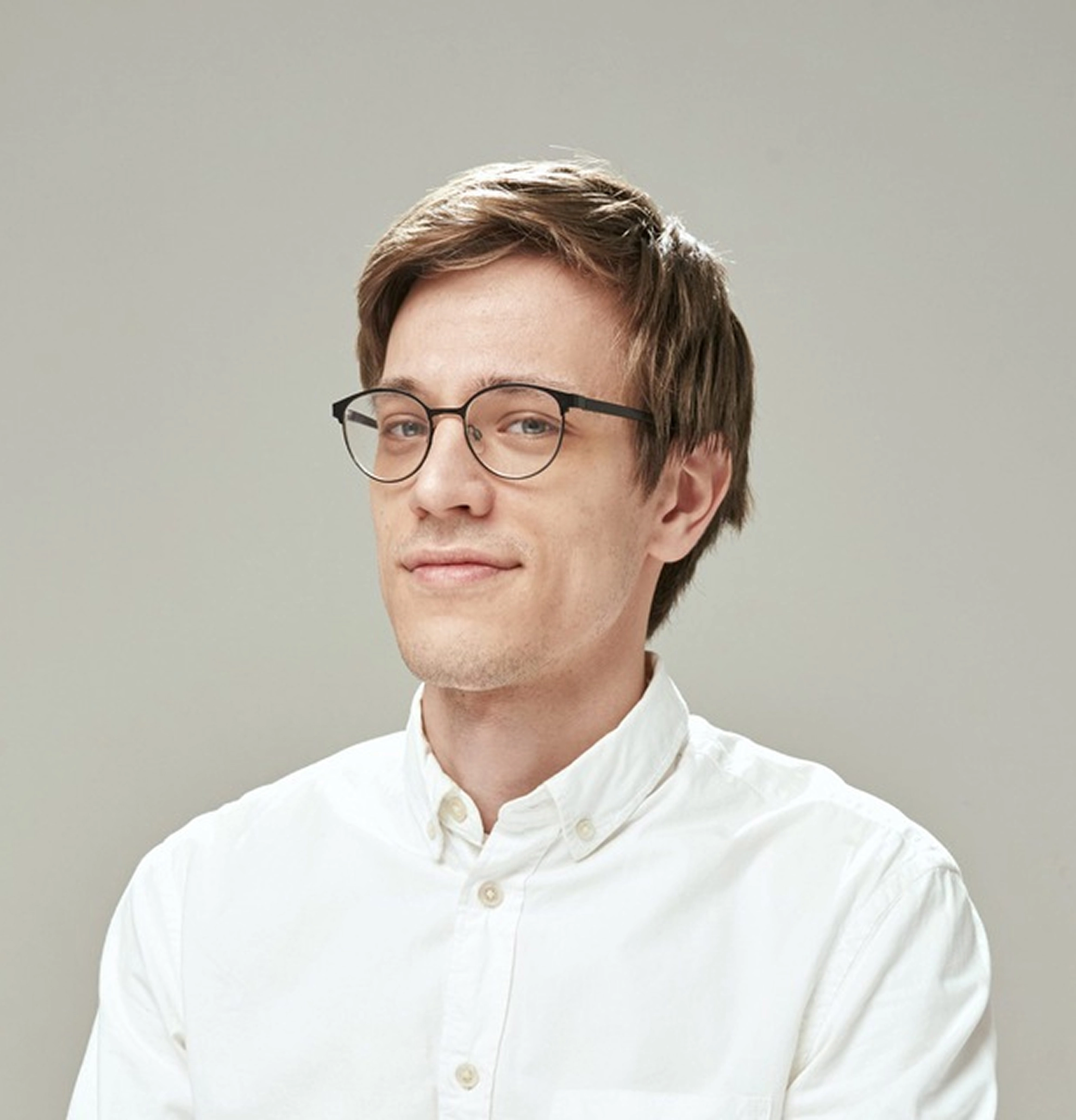
Aleksey is the design director at Pragmatica studio. He calls team culture "DNA" and considers it the glue that holds the team together.
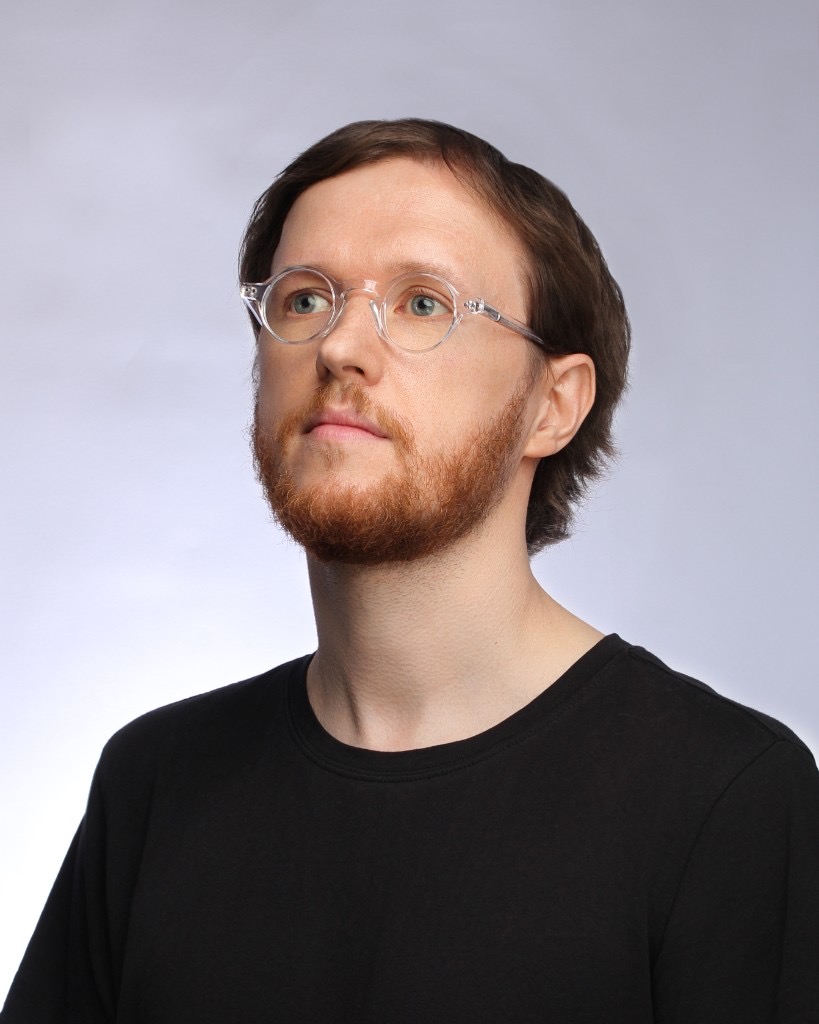
Sergey does product design at Dodo Brands. UX is not born in the office: it relies on field research and validates every decision against user pain points and data.
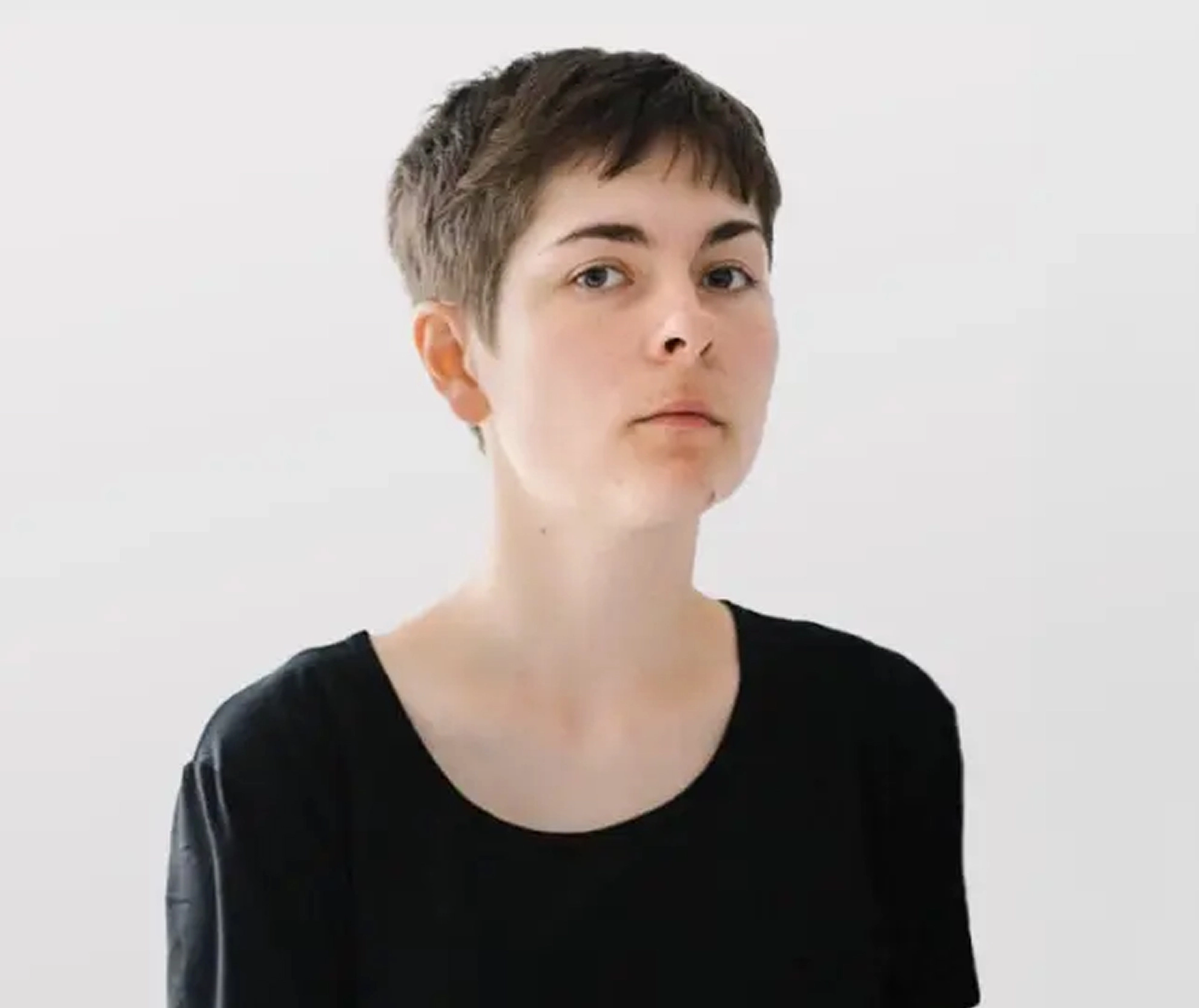
Yulya is a co-founder of Werkstatt and dislikes the term "design culture." She puts it simply: good design is appropriate design.
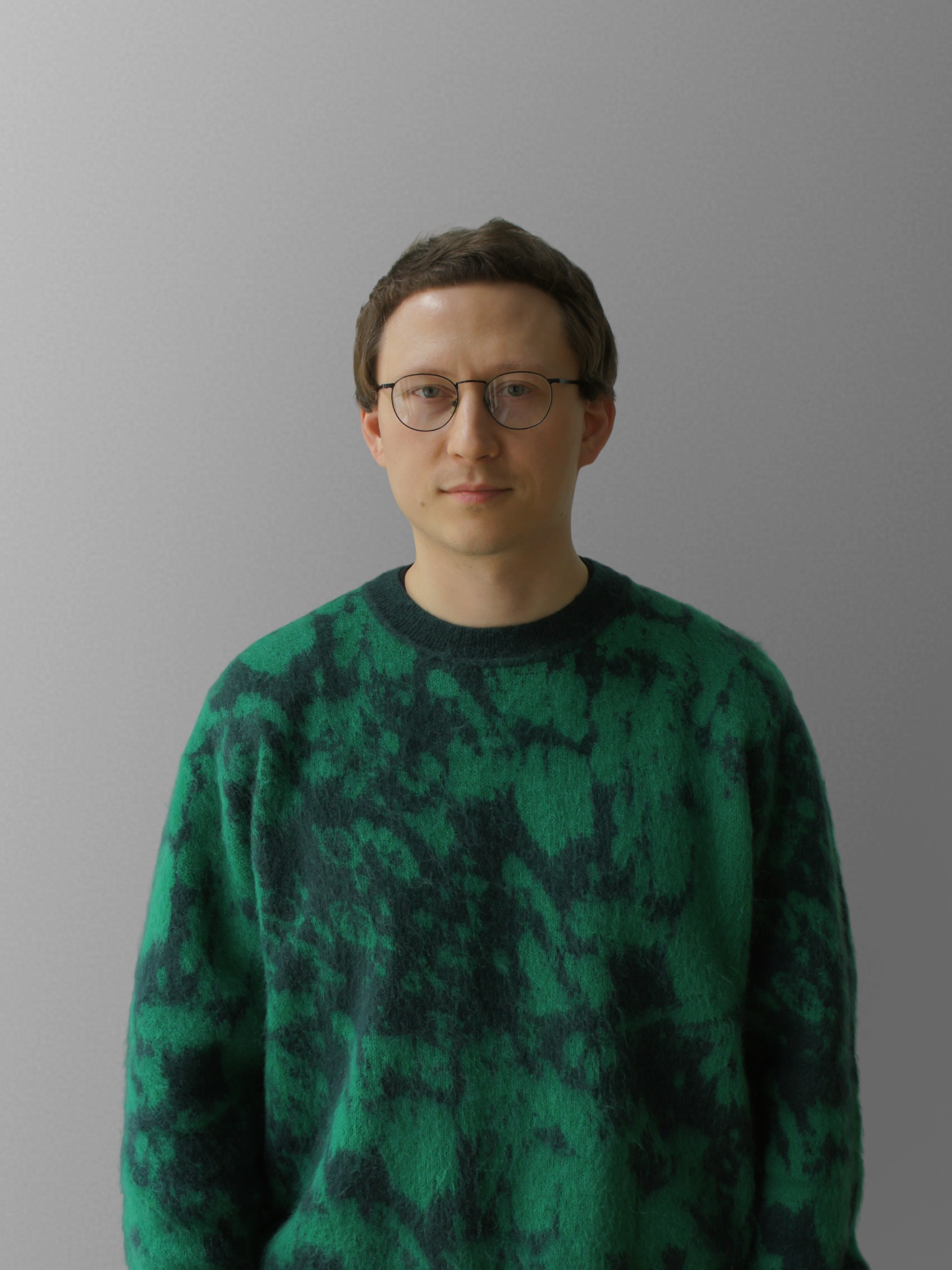
A graphic designer with an architectural background. A conversation about design culture, a school of thought, and systematic approach.
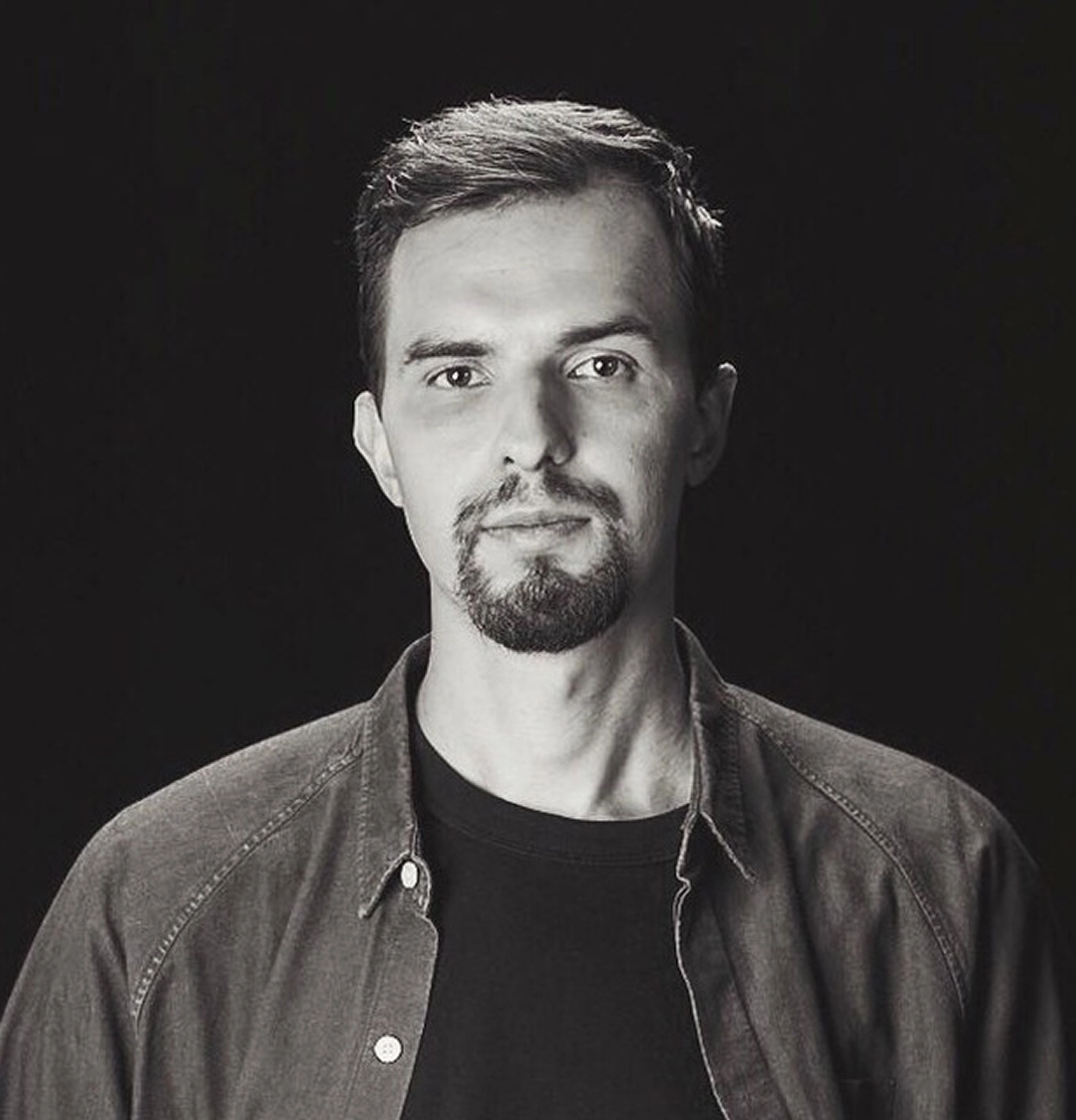
Stefan has been doing branding for almost ten years. Every project starts with a sketch in a notebook; the decision to take it or not is also about values.
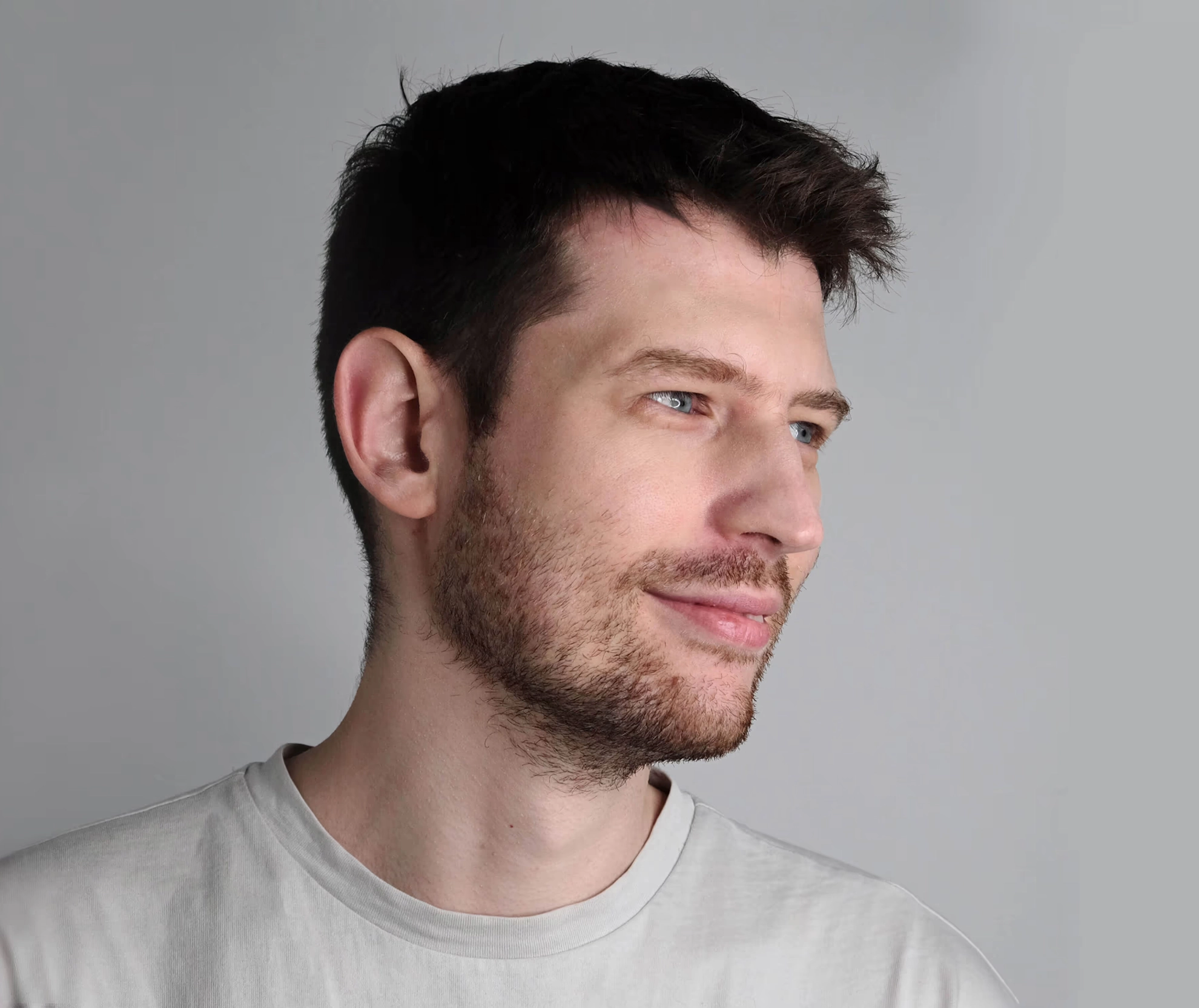
Sergey distinguishes between design in life and design at work. For him, culture means thinking in terms of results and trusting manual craft.
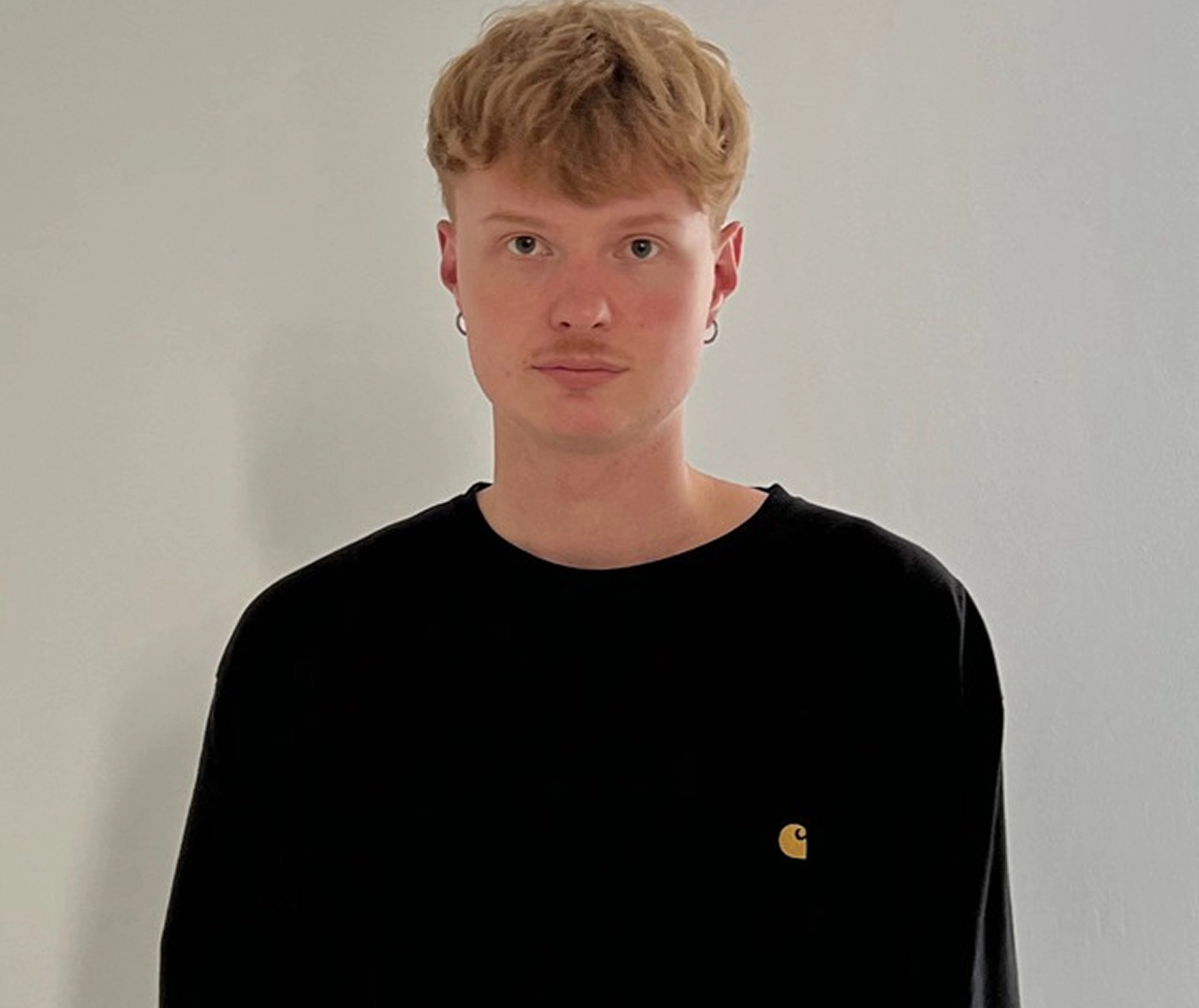
Sergey does digital design with an emphasis on concept and meaning. A simple result, he says, must be earned through long work.
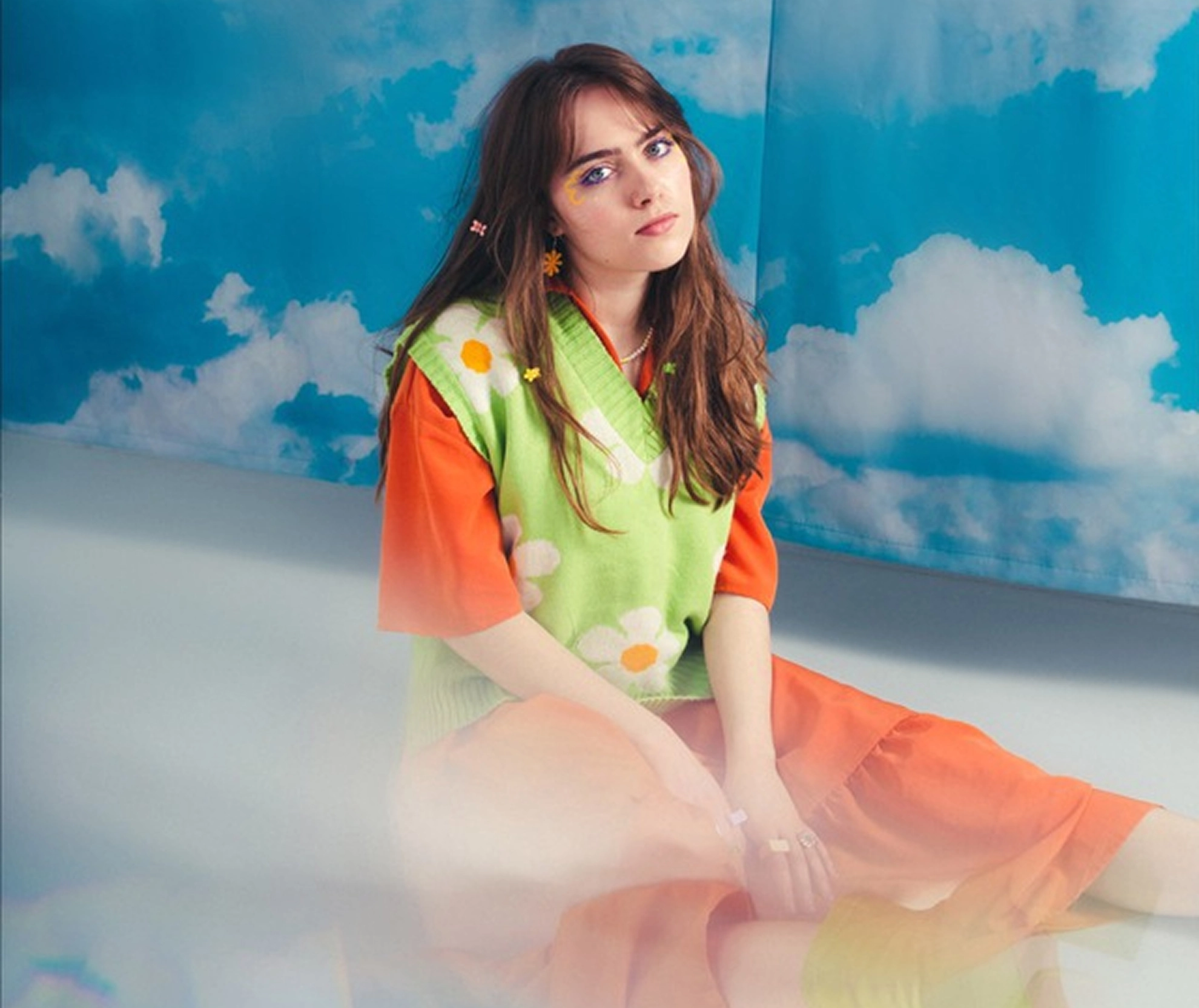
Sasha entered design in a non-linear way. She speaks of design literally as empathy — in processes, in approach, in every decision.
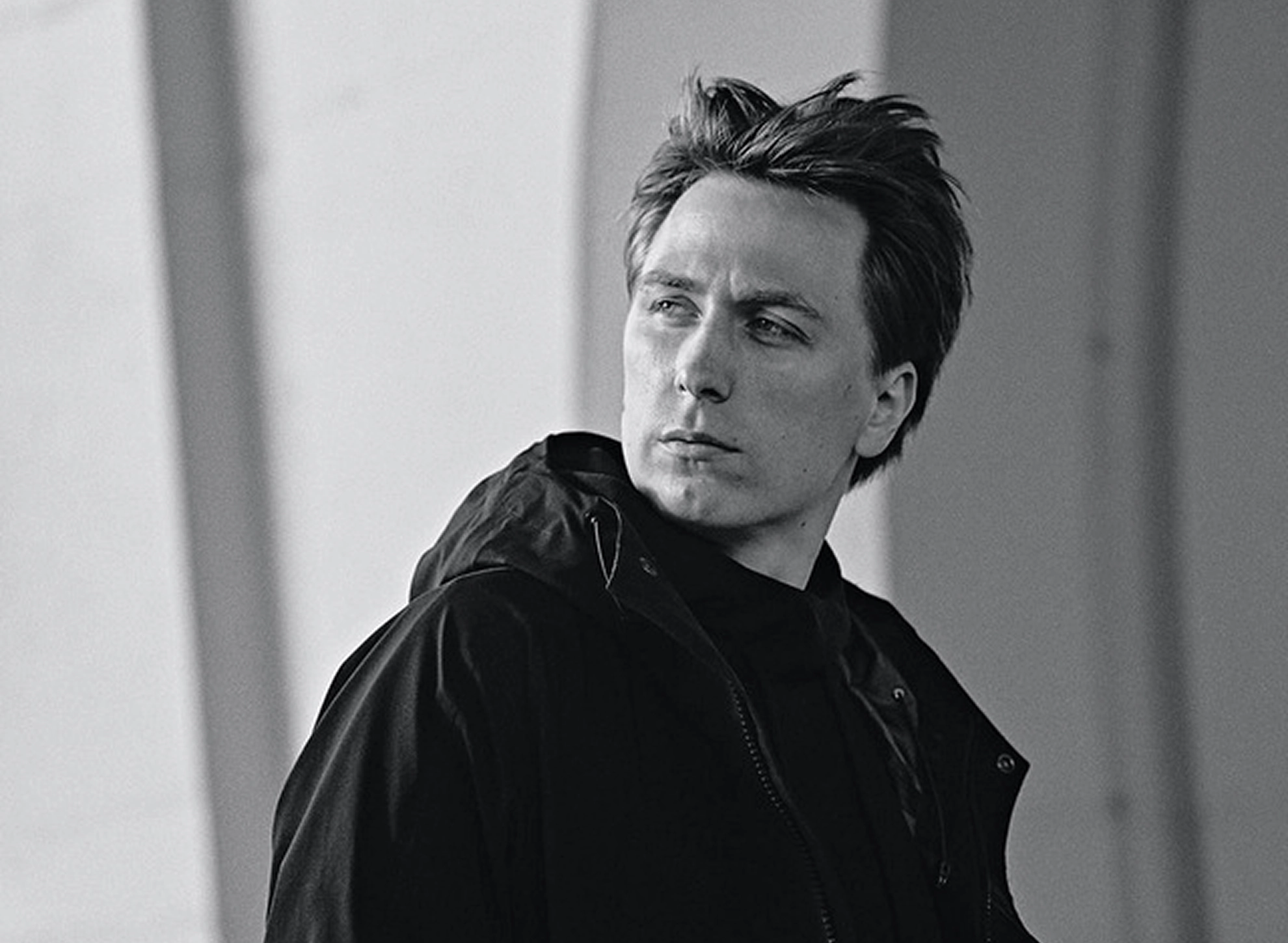
Yan leads multiple design teams in product and branding projects. He distinguishes between the genotype and phenotype of a mature project, with integrity being his main quality criterion.
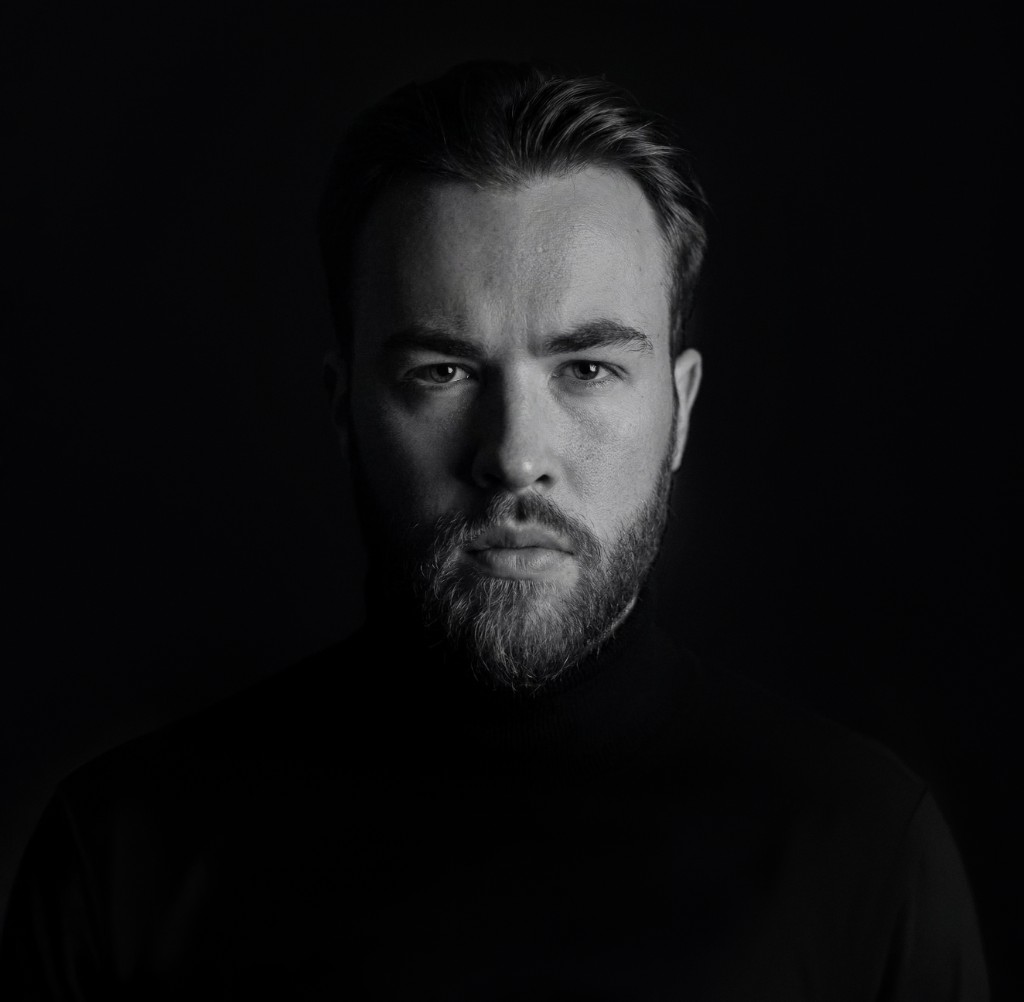
Andrey is from Rostov, the creator of spros. He believes that tools and visual languages change over time, but thinking and principles remain.

Anastasia never starts work without understanding the client's business. Without context, visuals are just a pretty shot; AI is a tool, not a substitute for thinking.
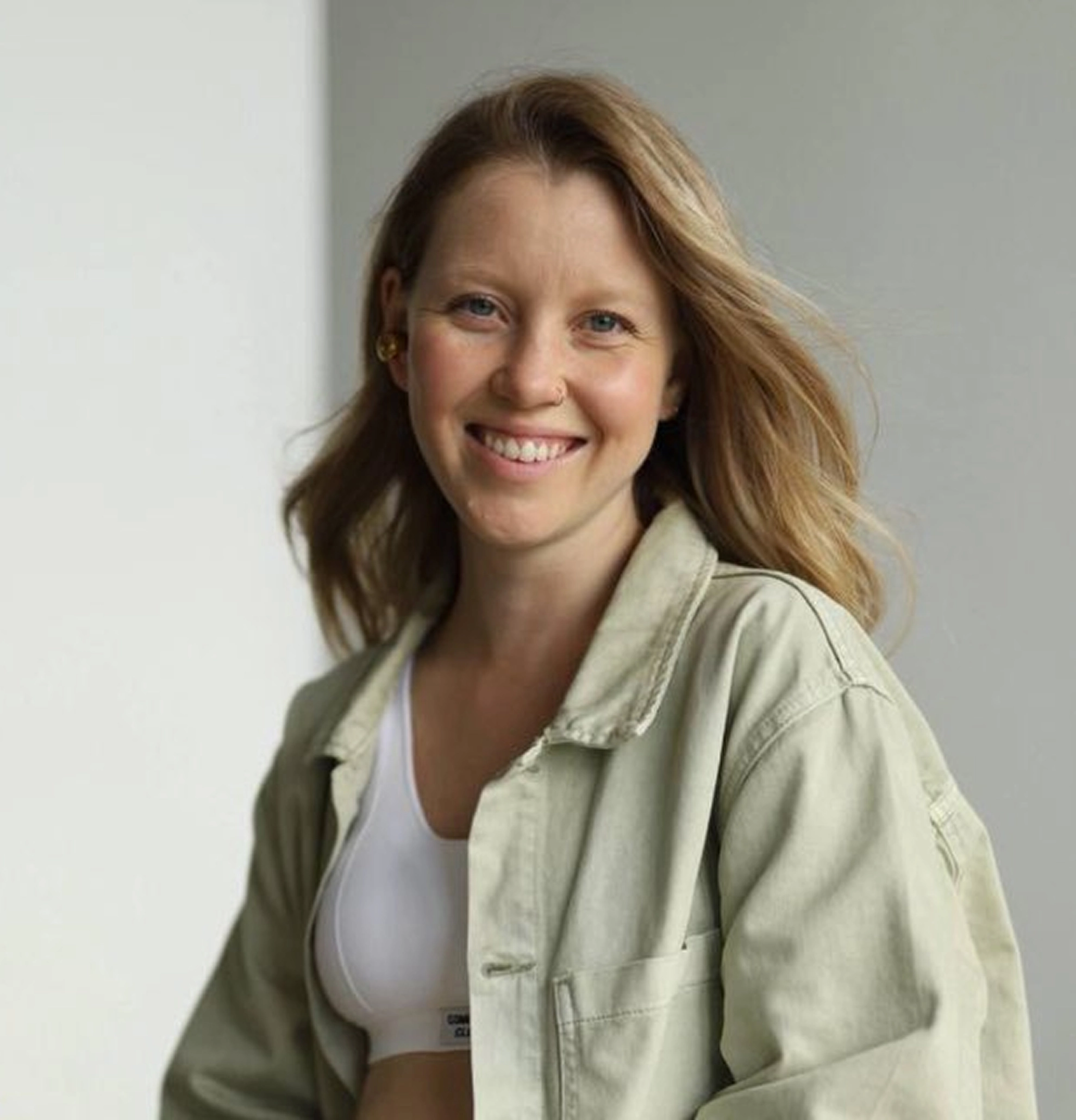
Anya works with everyday brands. She reduces culture to respect, using the "forest ranger" metaphor quite literally.

Dasha works with CGI and 3D. In her work, she looks for the product metaphor and speaks about visuals accessible to different audiences.

Elena is building the Zorky design community in London; before emigrating she was a design lead of a large service. For her, culture begins with how the team sees the designer: as a partner or an executor.
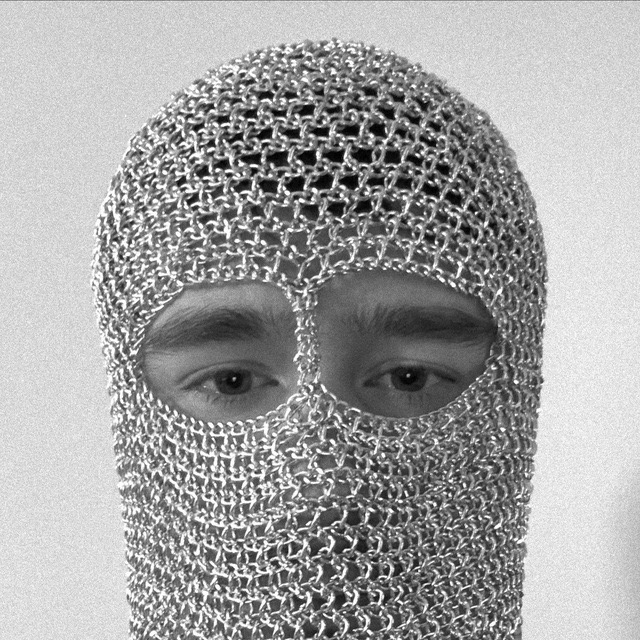
Artem builds identity for technology companies. He takes on projects where no ready-made visual code exists, searching for an honest language for complex technology.
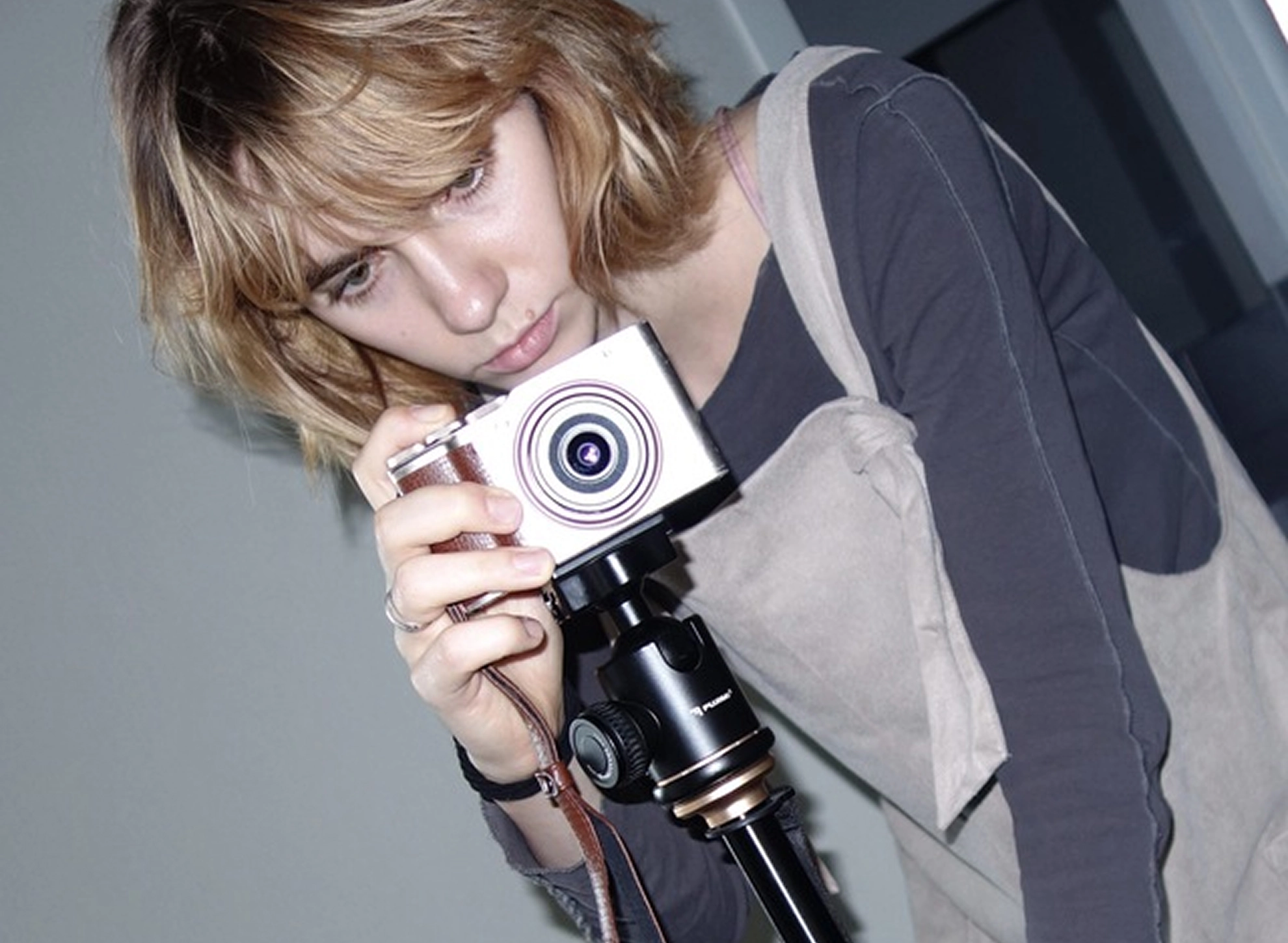
Olya designs for regional brands. For her, design is about helping the product: if something can be left undone, it's better not to do it.
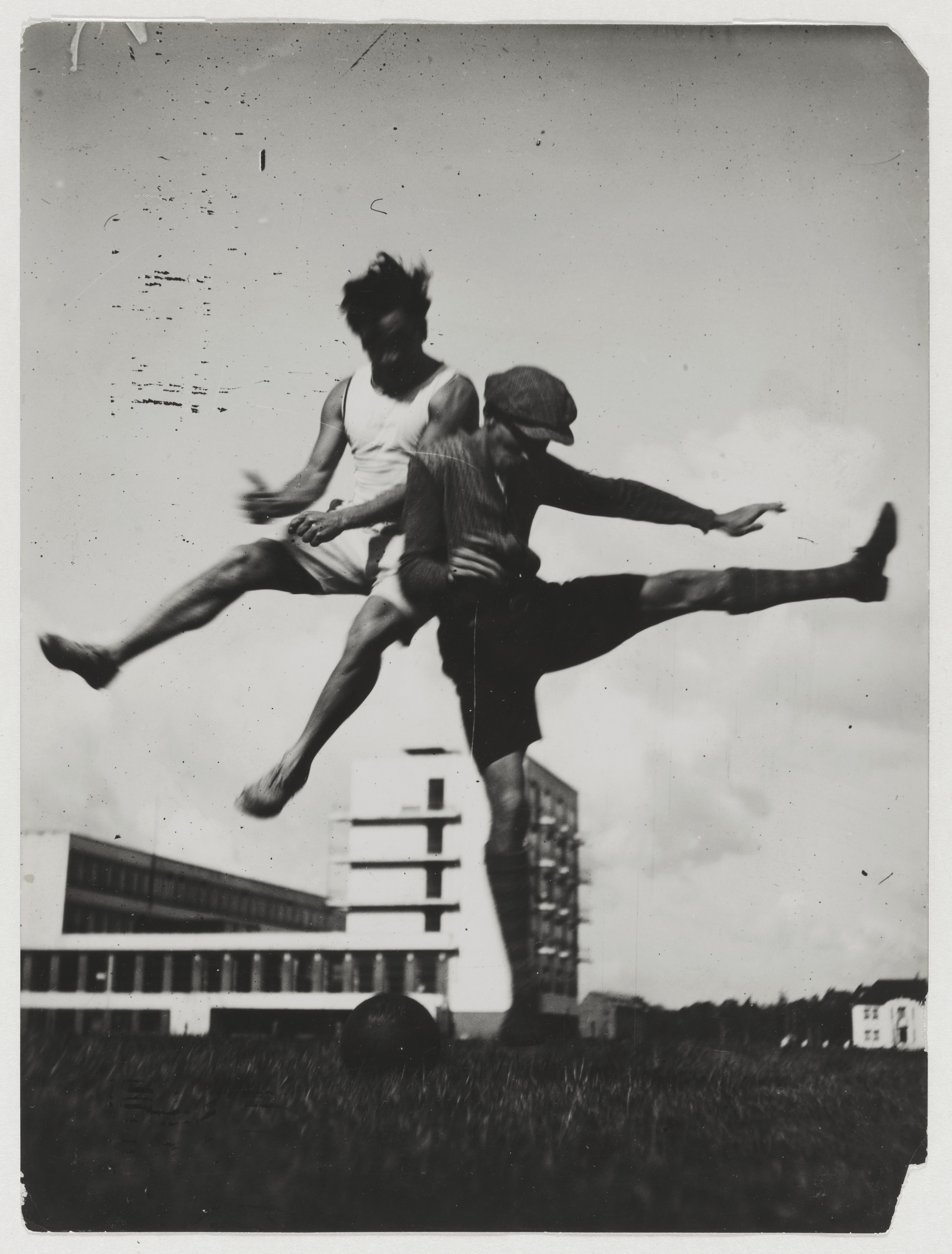
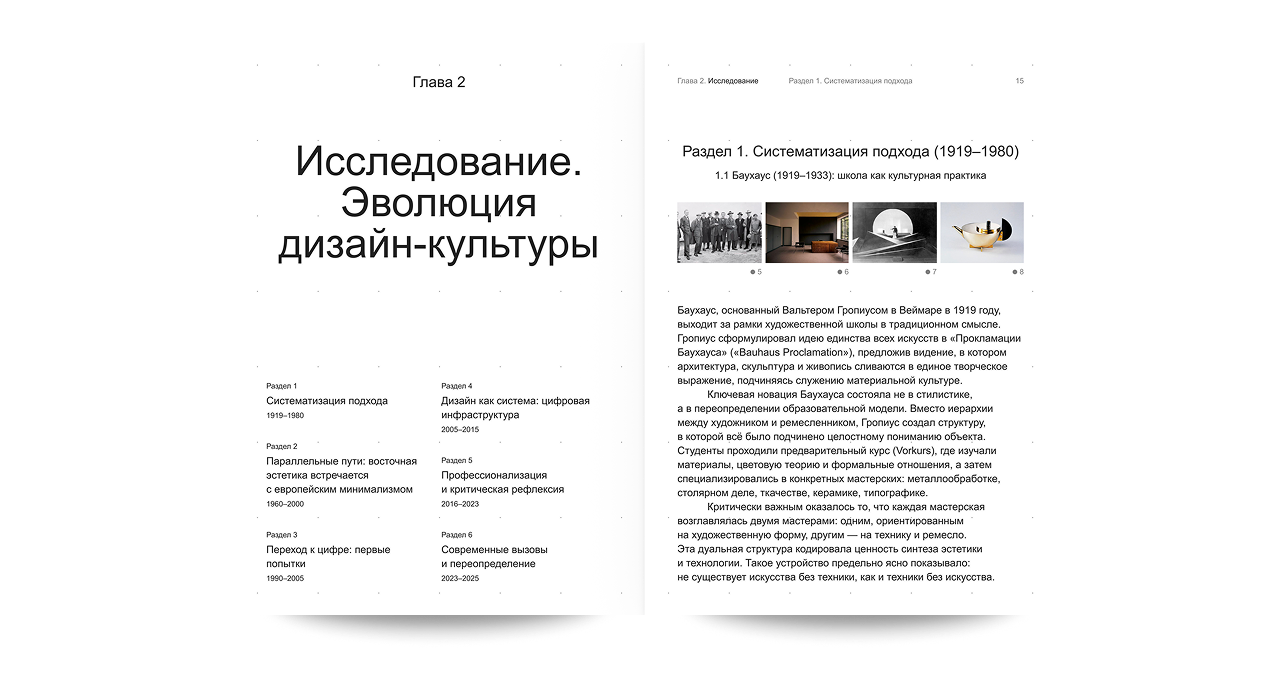
The school in Weimar (1919–1933) that first articulated design as a cultural practice rather than a craft or art.
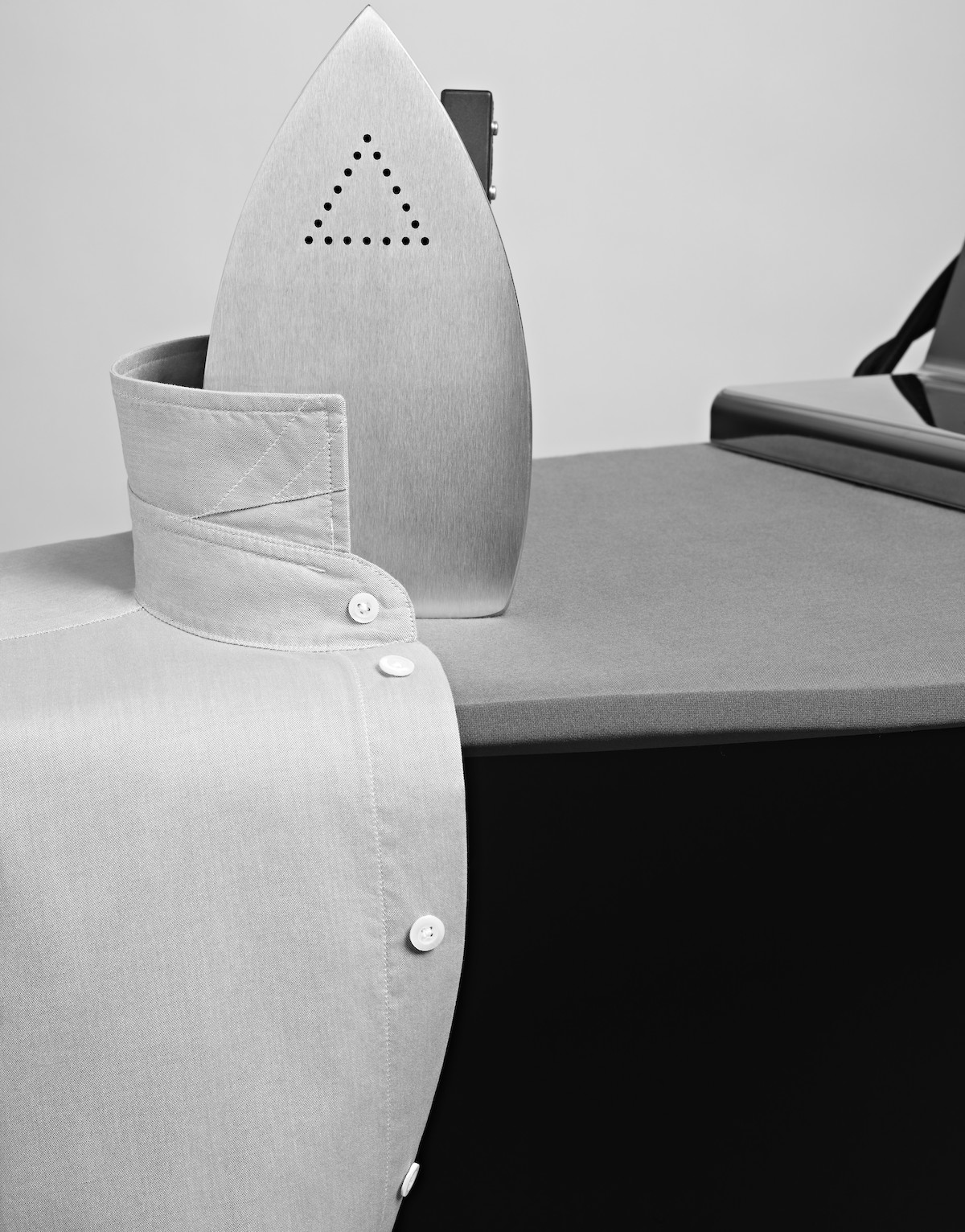
Hochschule für Gestaltung Ulm (HfG Ulm) — a German design school (1953–1968) that redefined design as a systematic methodological activity.
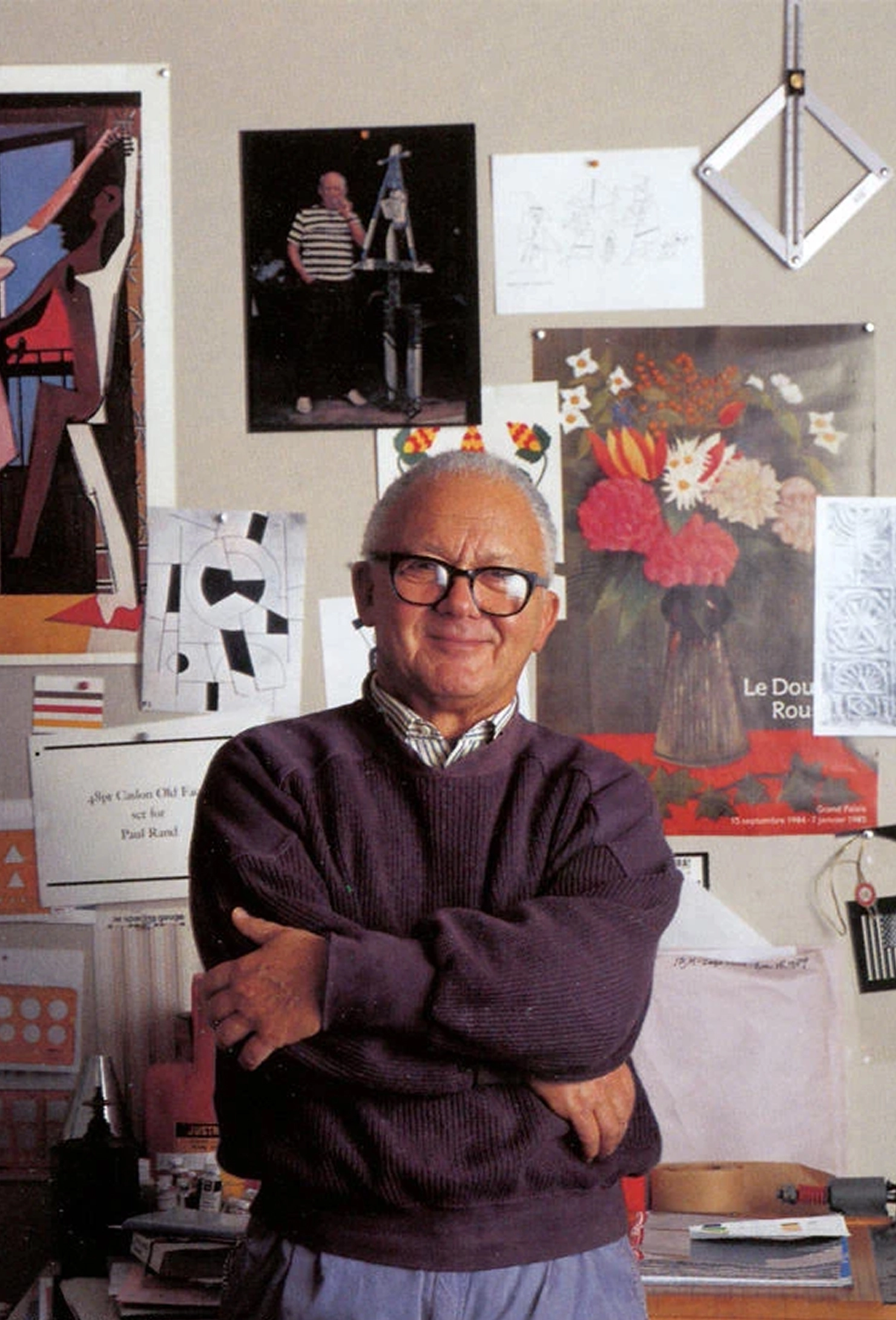
Paul Rand (1914–1996) — an American graphic designer, creator of the IBM Identity System (1956), logos for ABC, UPS, Westinghouse, and Yale.
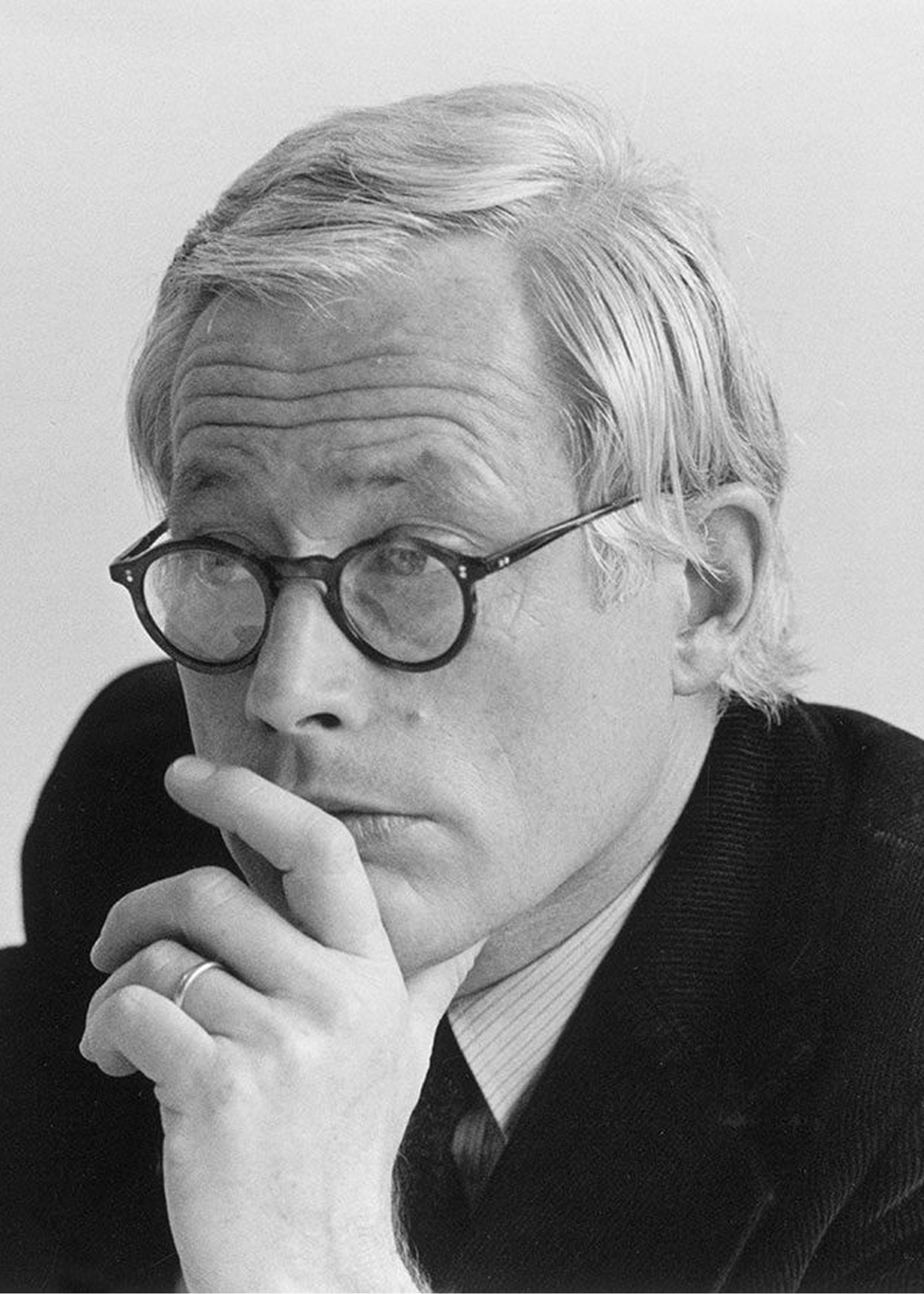
Dieter Rams (b. 1932) — a German industrial designer, chief designer at Braun (1961–1995).
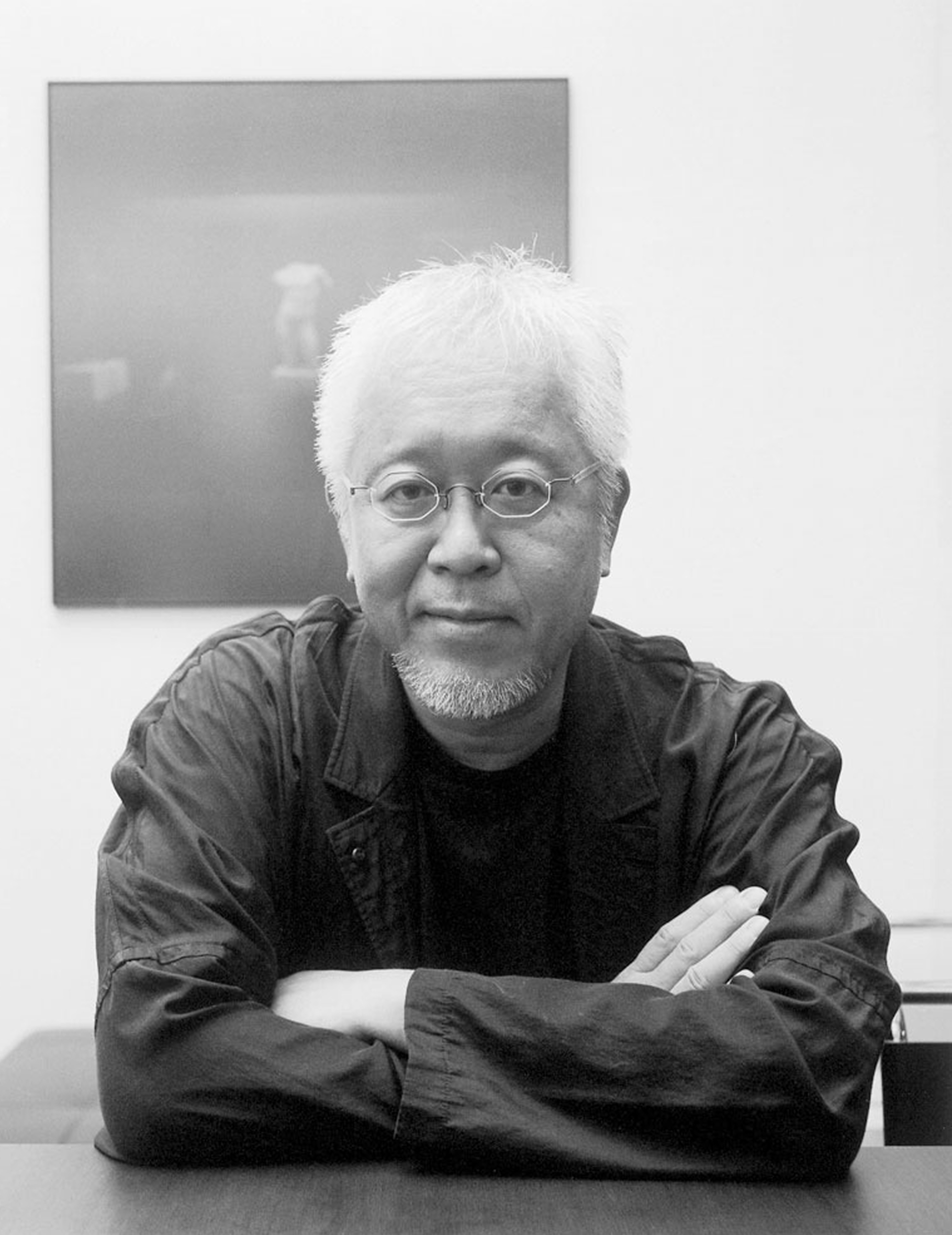
Kenya Hara (b. 1958) — a Japanese graphic designer, art director of MUJI since 2001.
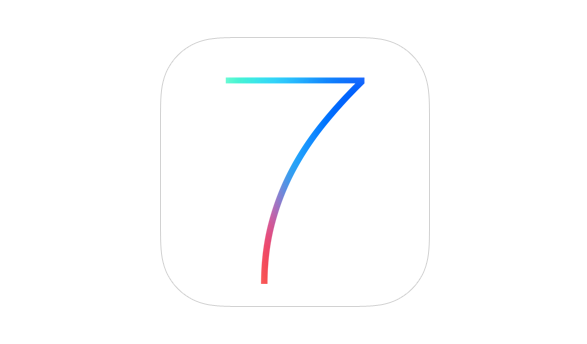
The transition of design into digital space: from skeuomorphic interfaces of the 1990s to the flat design of iOS 7 in 2013.
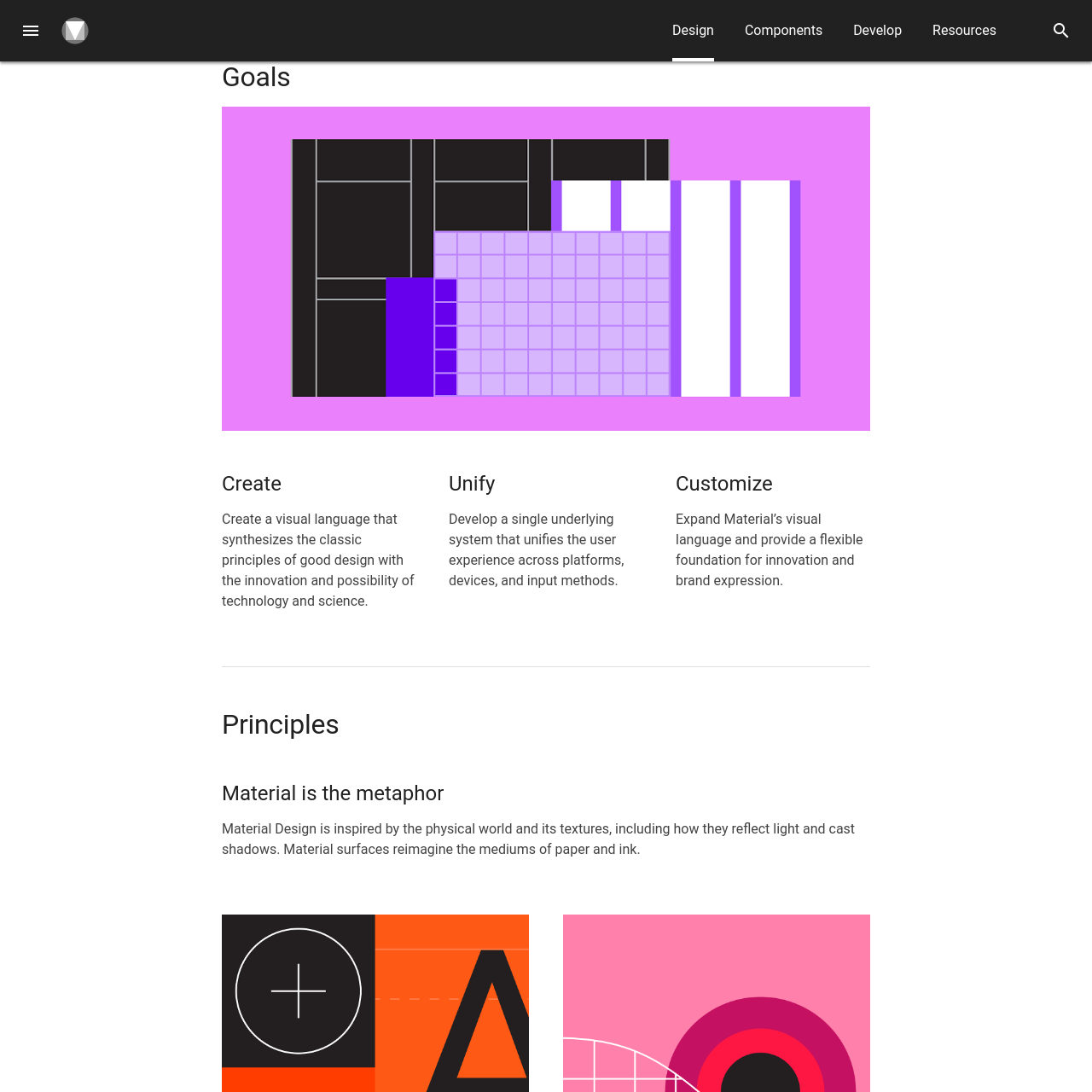
The era of codifying design into systems: from Apple HIG (2005–2007) to Material Design (2014) and the wave of corporate design systems — Polaris (Shopify), Carbon (IBM), Fluent (Microsoft), Base Web (Uber).

DesignOps as a discipline (2014–2018), the Spotify model of team organization (squads/tribes/chapters/guilds), the era of public professional reflection through Medium, and studios like Uncommon redefining design as cultural action.
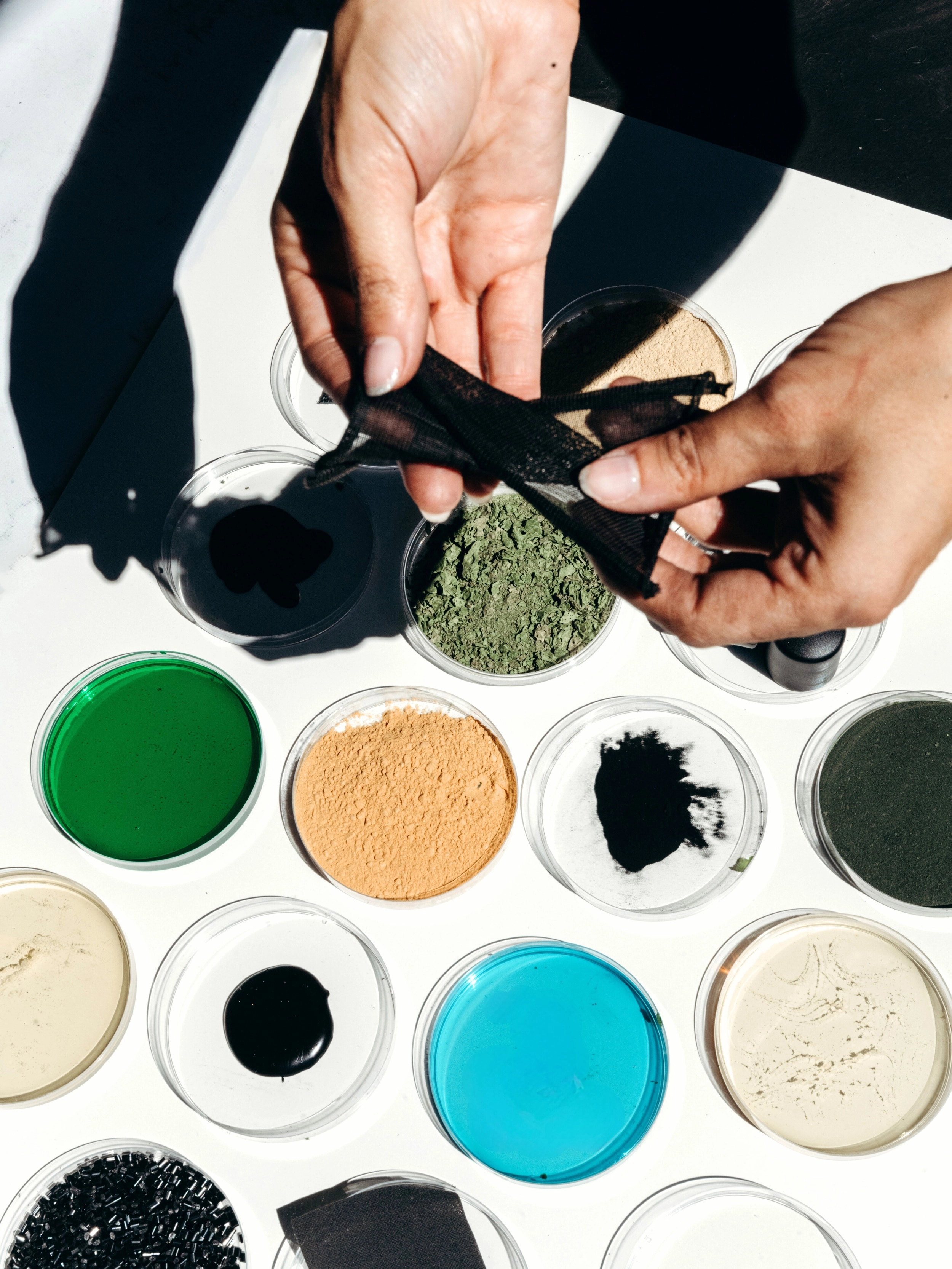
The present moment of design culture (2023–2025): AI as a force redefining the profession's role, the tension between generation speed and long-term results, accessibility as a baseline requirement, sustainability as a new value.
In the Gallery you can find selected works.