
Operationalizing Culture

When a design team grows from ten people to a hundred, culture doesn't transfer on its own. Someone has to appear who tunes it like an instrument. This chapter is about the years when the profession first spoke openly about itself: its rituals, processes, metrics, failures.
DesignOps as a Discipline
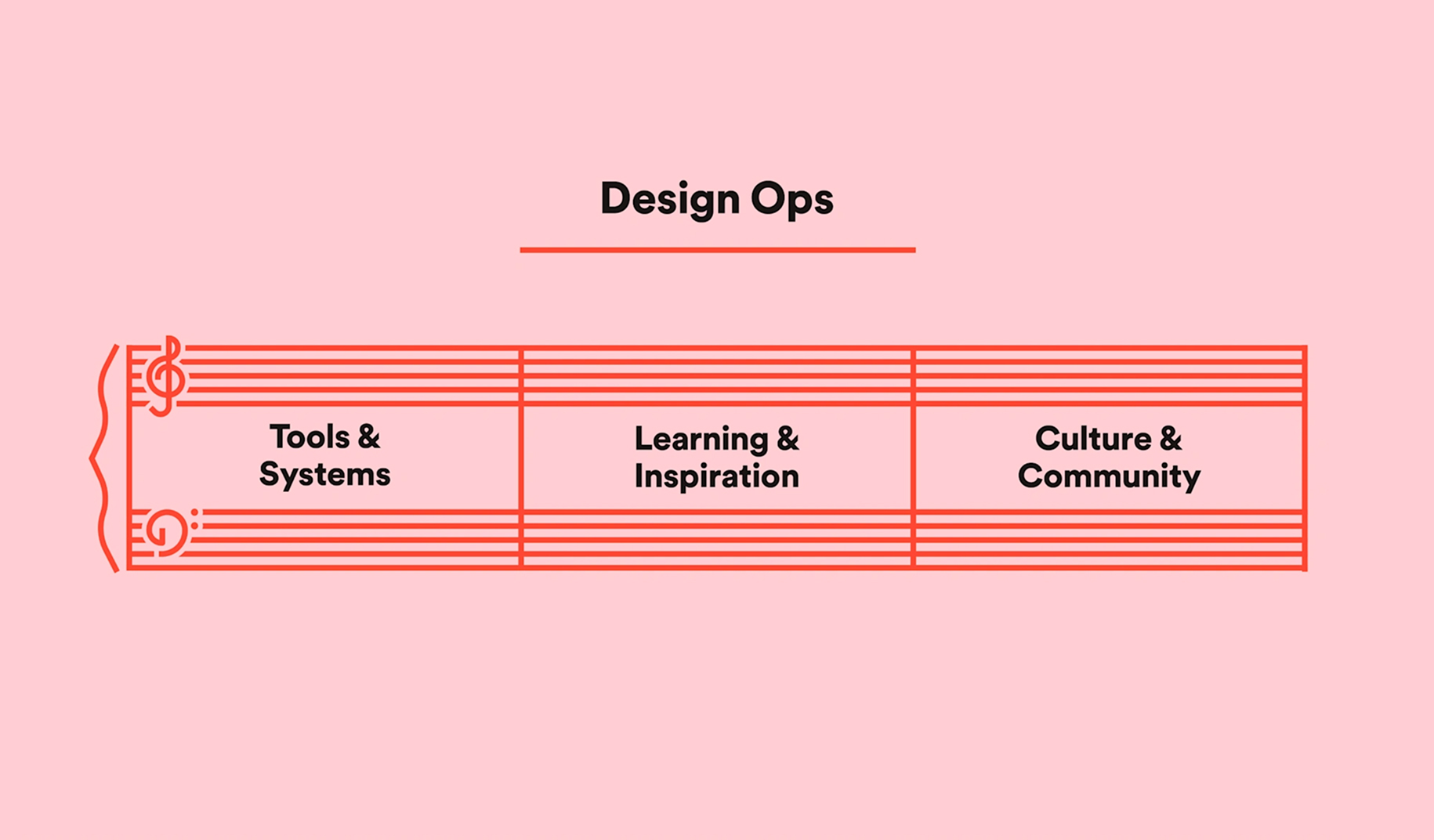
By 2014–2015, major tech companies (Spotify, Airbnb, Stripe, Facebook) faced a problem: how do you scale design teams without losing culture and quality? The answer crystallized as DesignOps (Design Operations) – a new professional discipline.
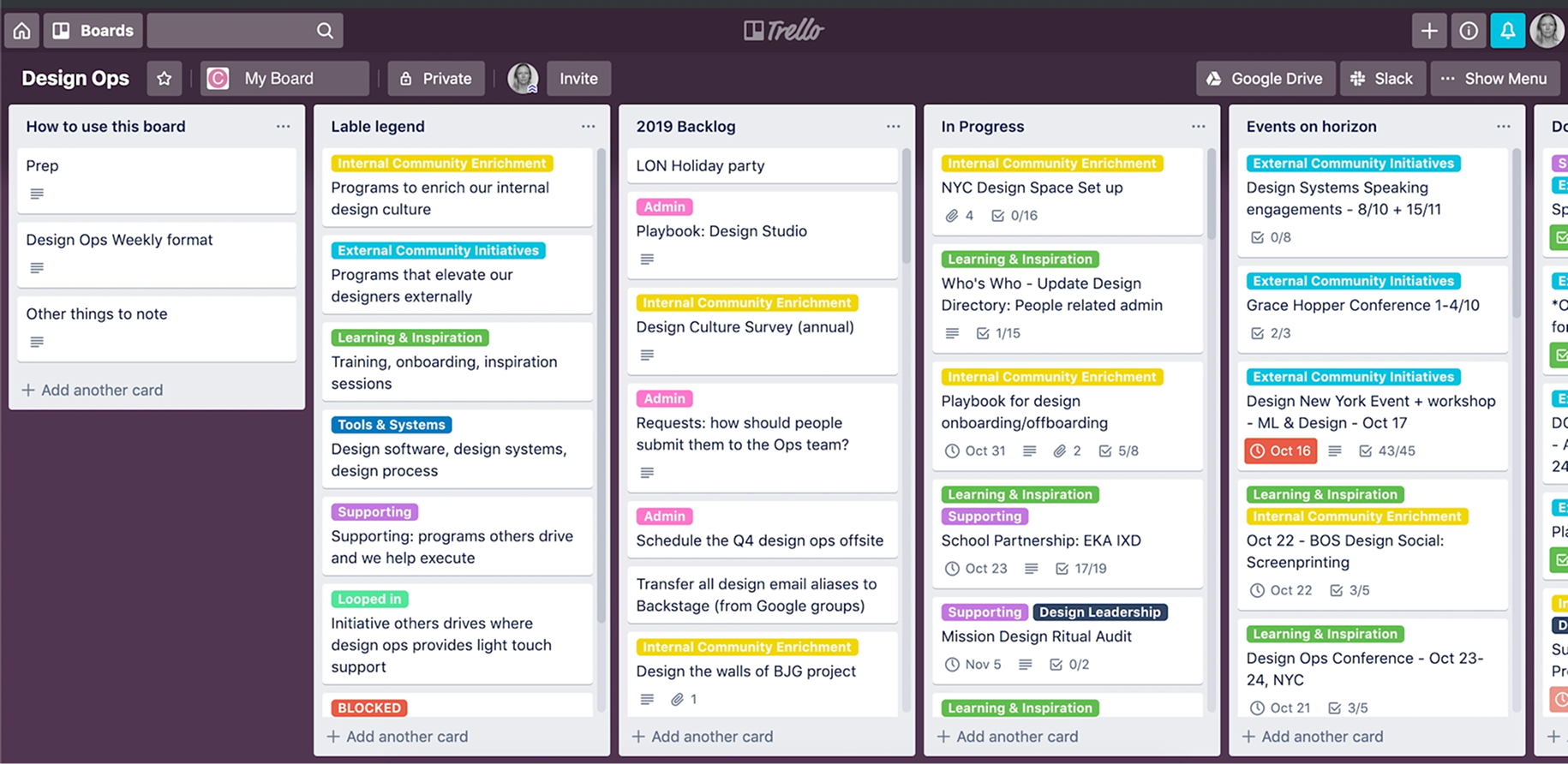
DesignOps is not design in the traditional sense. It is the operationalization of culture: structuring rituals (critique sessions, project reviews, team syncs), documenting processes, managing tools, establishing metrics, defining roles and competencies. The Design Operations Summit 2018 became the official crystallization of DesignOps as a discipline.
The Spotify Model
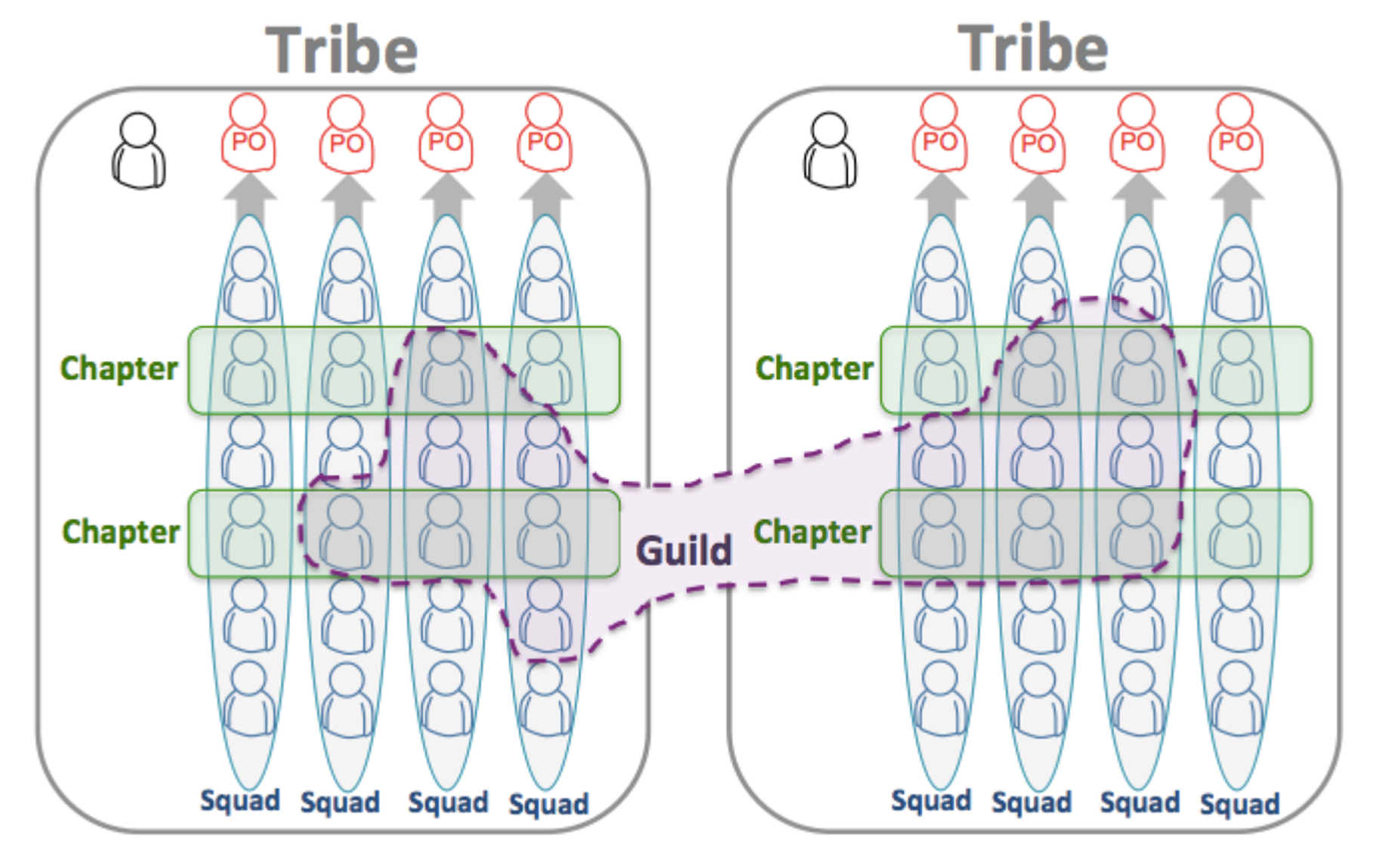
Spotify developed its own approach to organizing design work, which became a model for the industry. Described in the document Scaling Agile @ Spotify (2012), the model includes squads (small cross-functional teams), tribes (groups of squads by domain), chapters (specialists of the same discipline for knowledge sharing), and guilds (voluntary organizations around shared interests).
For design culture, this was fundamentally important. Every squad had a designer. Guilds allowed designers from different teams to gather, discuss practices, share knowledge, critique decisions. This created a horizontal structure for transmitting culture, not just top-down management.
A horizontal structure for transmitting culture, not just top-down management.
Public Reflection
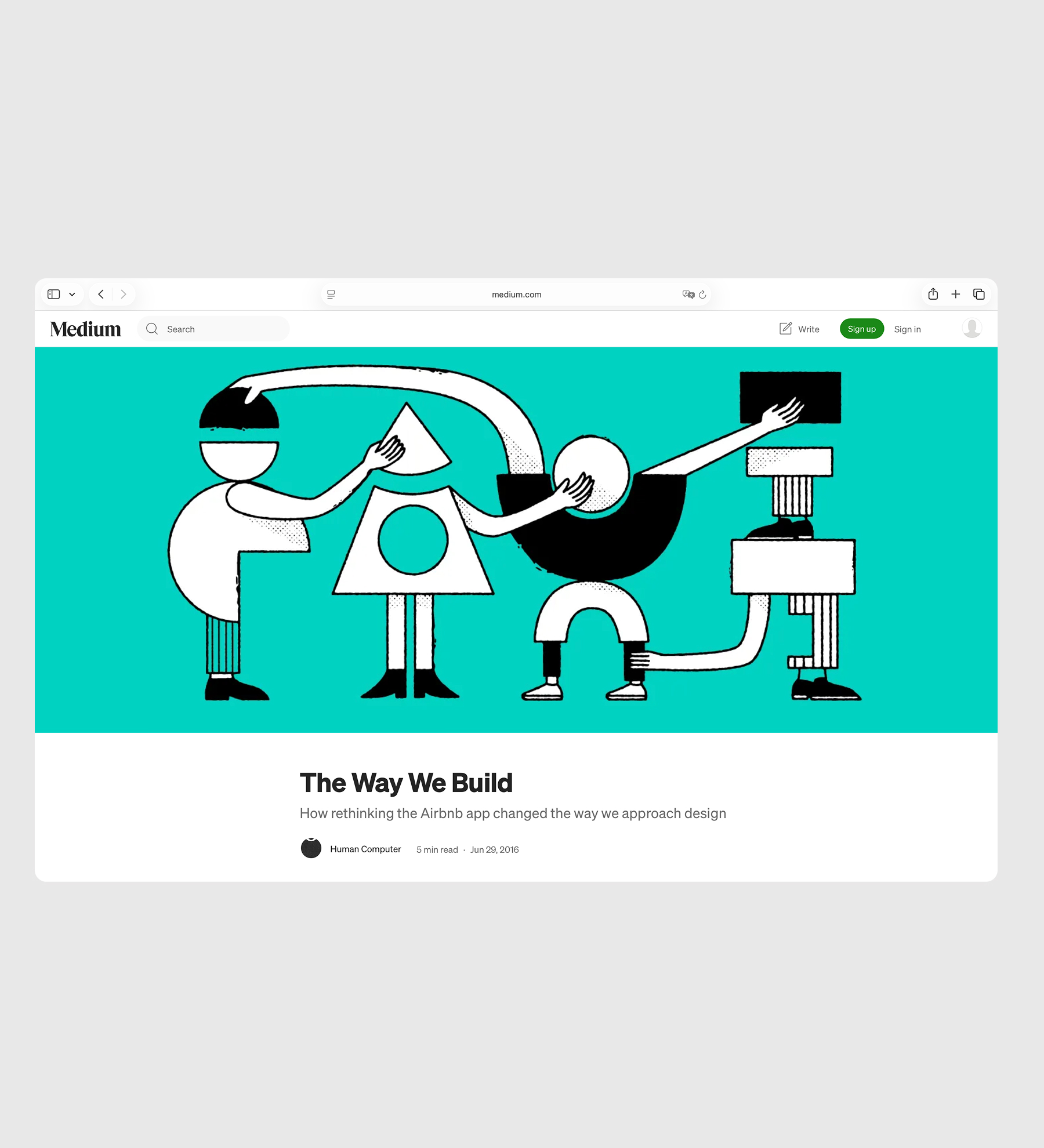
During this same period, a revolution in professional openness took place. Designers began writing openly not just about outcomes, but about process, decisions, mistakes. Medium became a platform for expression – The Way We Build (Airbnb, 2016) and hundreds of other long-form pieces.
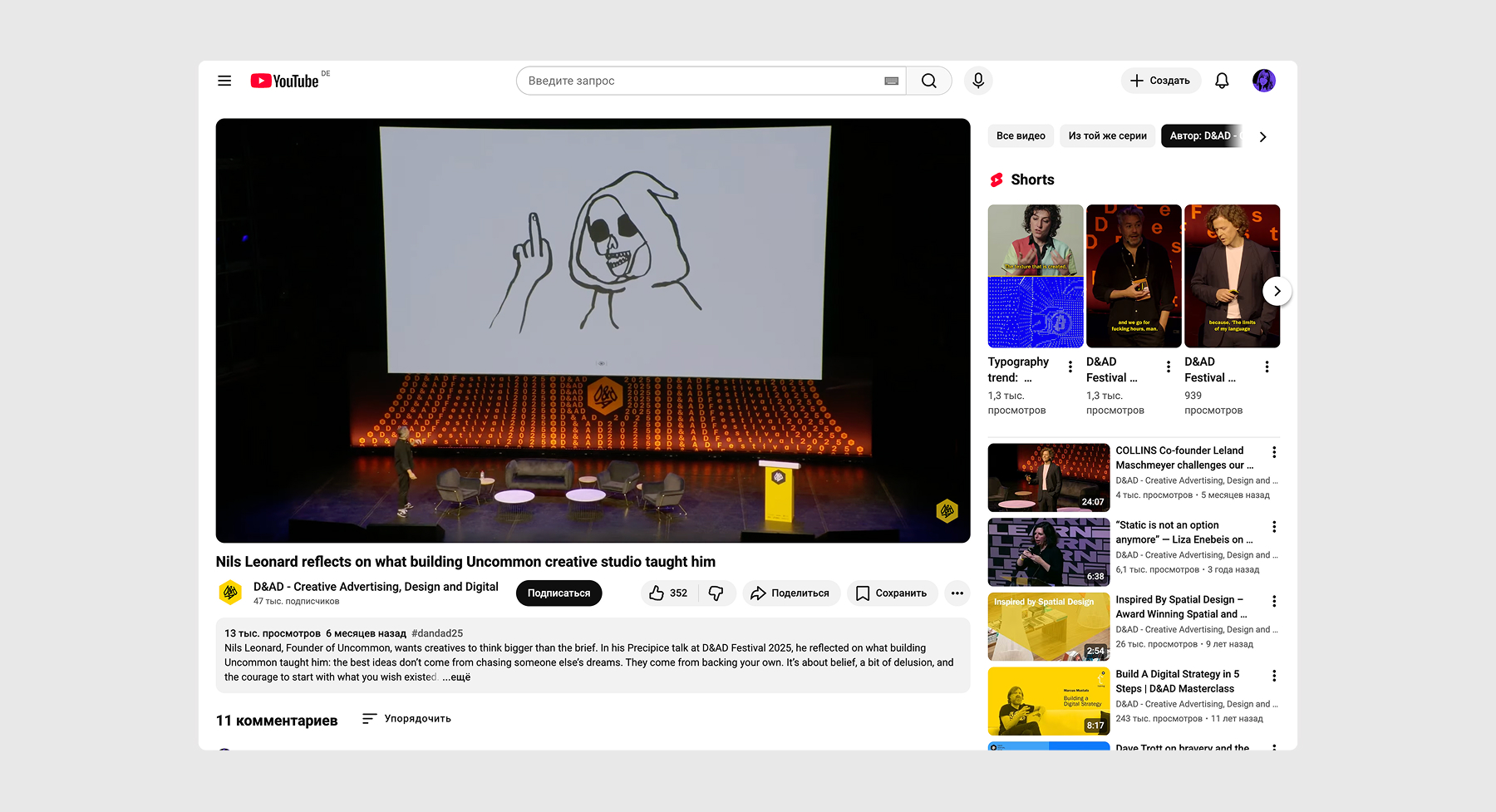
Uncommon Studio
Studios were also formulating their own methodologies. Uncommon viewed design not as the production of beautiful things, but as a way to create cultural impact. Their philosophy was encoded in a series of questions: is there an "icon" for the idea, is there a conviction that aligns with public passion, why would someone photograph this, who will love it.
This meant design was perceived not as a service discipline, but as an active agent of cultural impact. Work was evaluated not by engagement metrics, but by its ability to become a reference point. Uncommon said that the work is half the task. The other half is how that work fits into a larger story, how it's launched, how it provokes discussion.
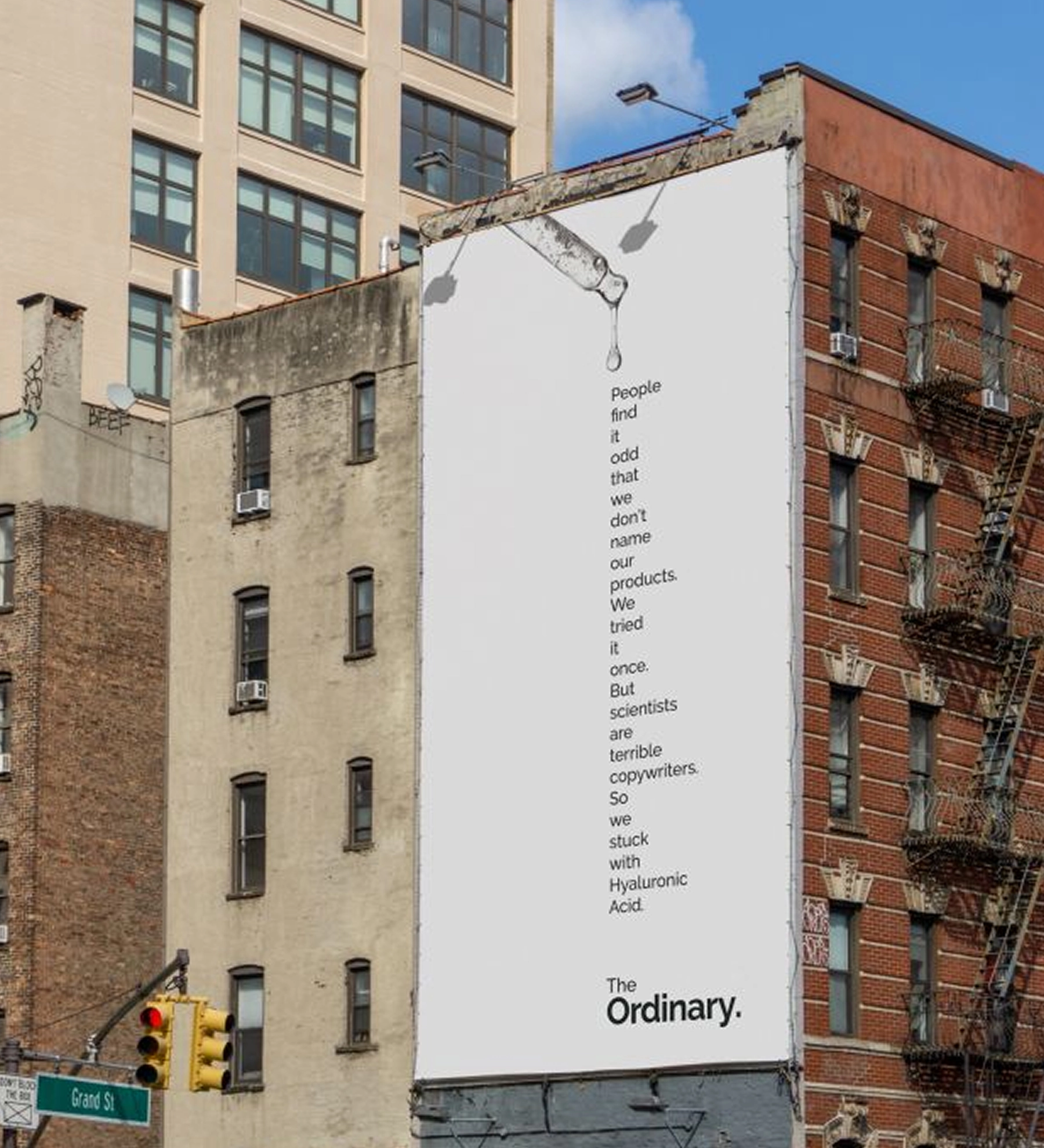
When the protagonists of deFindings talk about studio rituals, design reviews, guilds, or shared team calls – they are working within a logic that crystallized precisely during these years.
Design is perceived not as a service discipline, but as an active agent of cultural impact.
– deFindings