
Methodology as culture
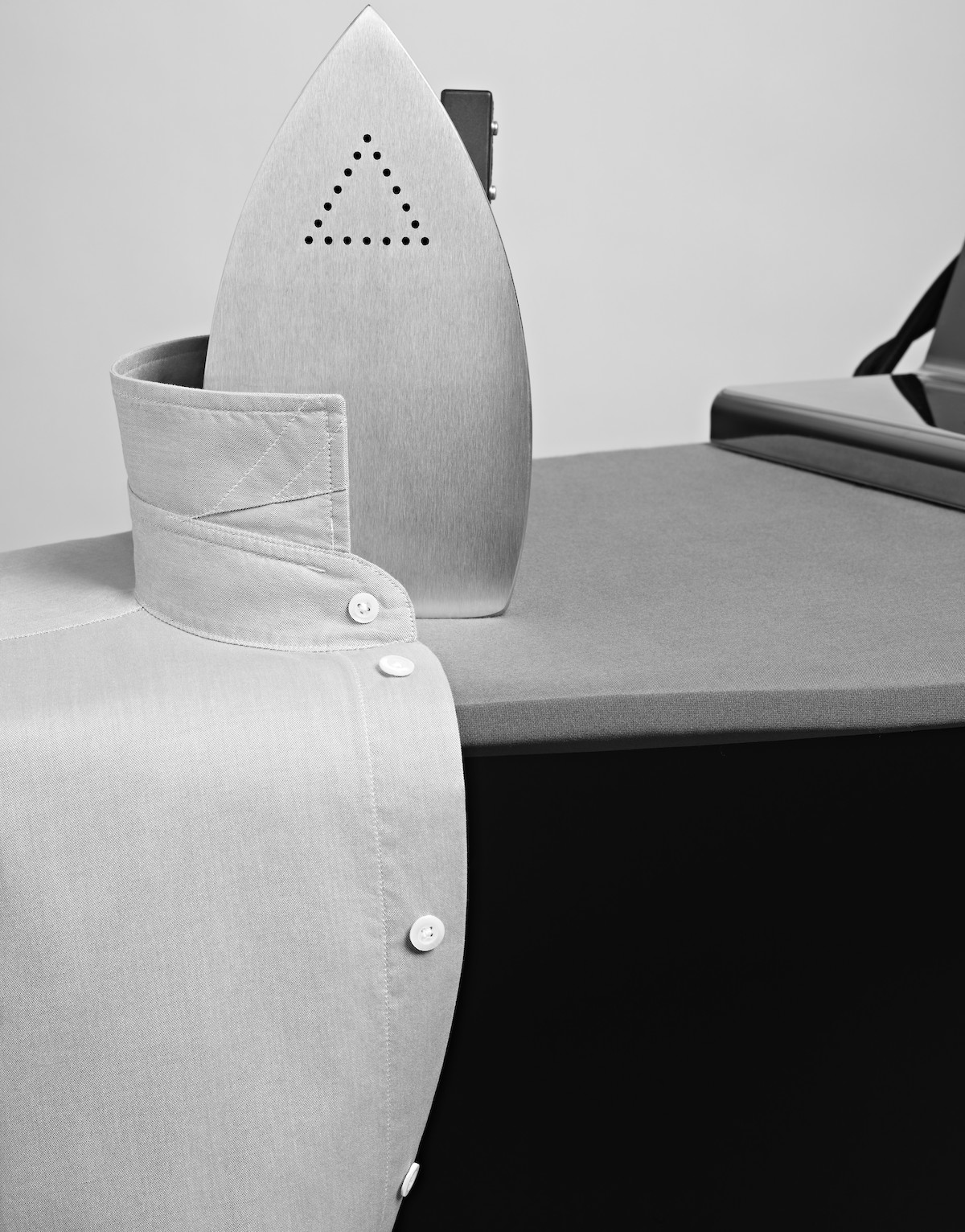
When I began tracing where the idea of "systematic" design came from – design as a methodology rather than as a form – the trail led to a small German town called Ulm. There, in 1953, a school opened that made the first attempt to move design from the realm of intuition into the realm of method. This is a story not about aesthetics, but about how designers began to learn to think.
The break with the Bauhaus
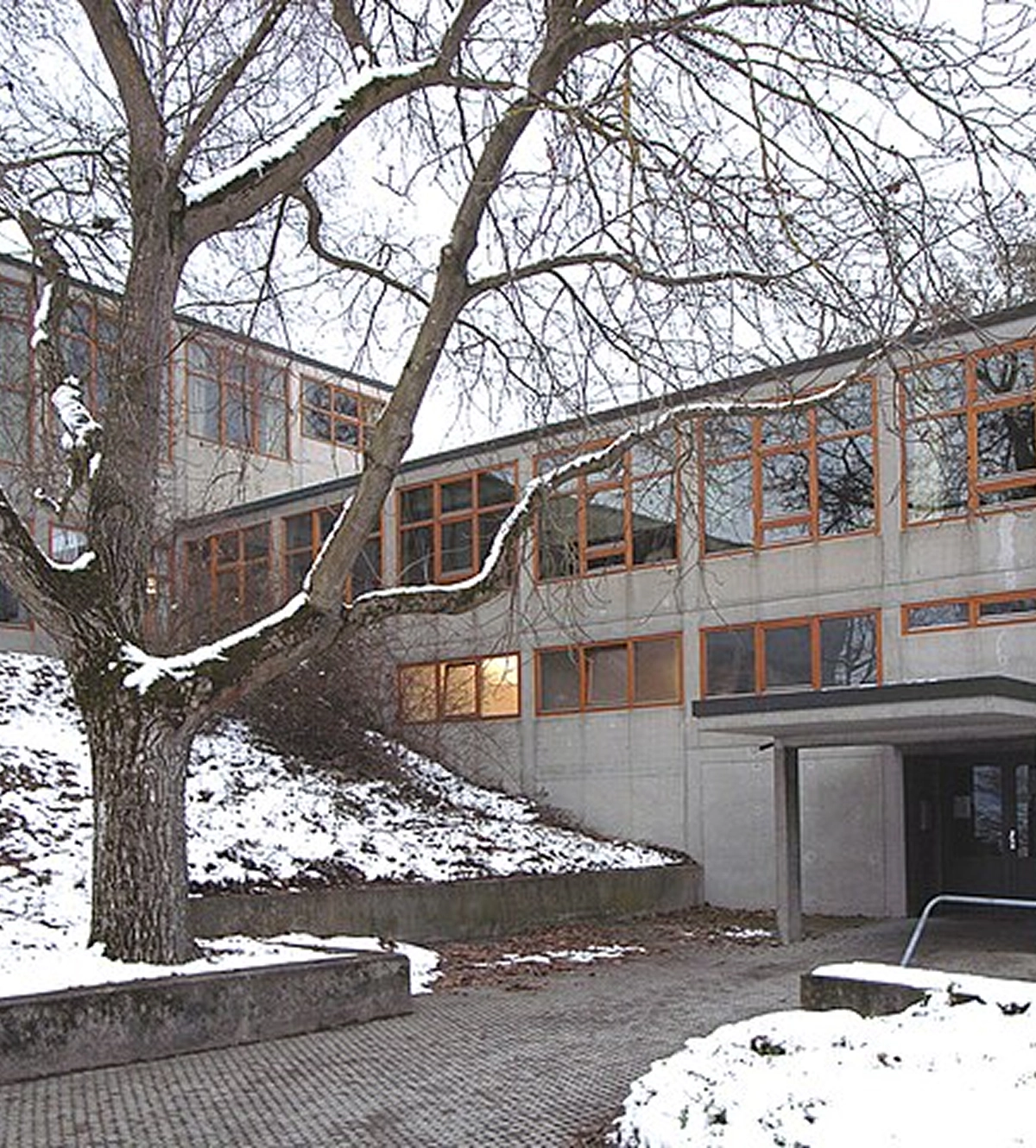
If the Bauhaus created a language, the Ulm School created a methodology. Founded in 1953 by Inge Aicher-Scholl, Otl Aicher, and Max Bill (a former Bauhaus student), the Hochschule für Gestaltung Ulm (HfG Ulm) was a deliberate break with the Bauhaus's artistic approach. Tension arose between Bill, who defended a continuation of the Bauhaus tradition of form-making, and other members of the leadership, and it was resolved in favor of the systems approach.
Maldonado and the systems approach
Tomás Maldonado, who took up the post of rector in 1956, redefined the nature of design. Instead of emphasizing form-as-expression, Maldonado proposed design as a systematic activity, integrating scientifically grounded and intuitive thinking.
Every decision had to be justified, formulated, documented.
Curriculum structure
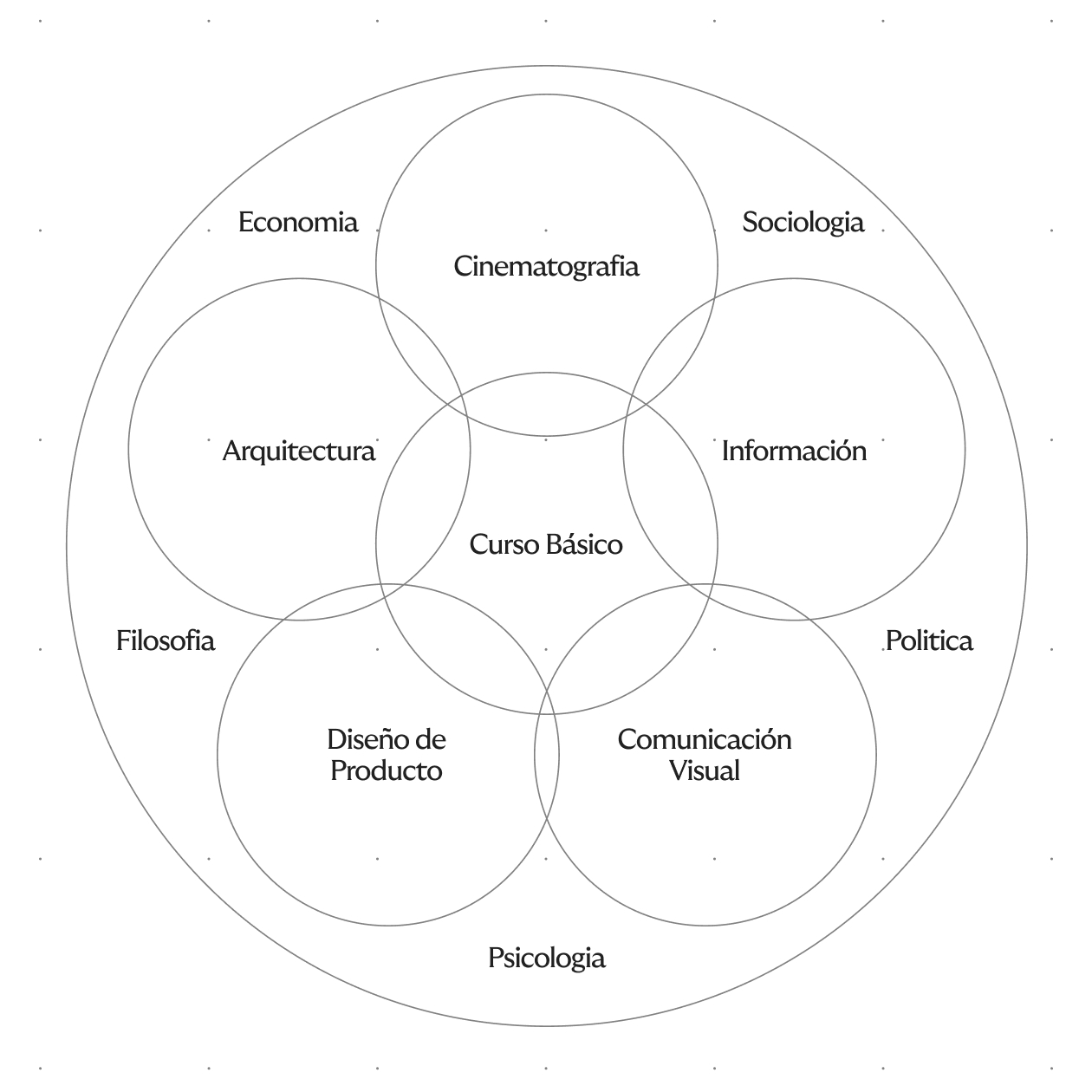
The structure included a foundation course, followed by specialization in several departments: product design, visual communication, industrialized building, and information. Studies concluded with the development of a thesis. The content was revolutionary: students studied cybernetics, information theory, semiotics, ergonomics, the psychology of perception, sociology, and philosophy.
The designer as integrator
The designer became an "integrator," responsible for synthesizing many specialized requirements – aesthetics, materials, production, context of use, marketing, identity. This was the first systematic move of design from the realm of intuition to the realm of methodology.
Collaboration with Braun
The practical embodiment of this approach can be seen in HfG's collaboration with Braun (from the mid-1950s). Students and teachers (Otl Aicher, Hans Gugelot, the young Dieter Rams) worked on redefining the brand's visual identity and on the design of electronics. The result – the "Braun style" – became one of the first fully integrated design systems: every product related to the others, and every decision was part of a coherent architecture.


Closure and legacy
The Ulm School closed in 1968 because of political and financial difficulties, yet its influence proved profound. Graduates and teachers founded design schools around the world, spreading the "Ulm Model" – a systematic, methodical, scientific understanding of design.
Today, when the people featured on deFindings talk about design reviews, design systems, and justifying every decision, they draw on a language that began to be developed here – not as an aesthetic manifesto, but as a way of agreeing on how to work.
This was the first systematic move of design from the realm of intuition to the realm of methodology.
– deFindings