
Culture as Respect, the "Forest Ranger" and the Comfort Zone at Work
What is design culture for you: principles, values, rituals, readiness to take responsibility?
I'd define it in one word – respect.
When we create design, we should first of all be respectful toward the people we're making this design for, and help them convey information respectfully to the people they want to reach, those they want to build communication with.
The word "responsibility" is also very right and good. But within the design community it turns into professionalism.
When we respect the profession, are responsible toward the final result and the methods we use to bring that result to life – when you respect the process – you don't cut out stages, you don't jump from one task to another, you don't downplay the importance of certain moments.
How did you come into the profession? I know you originally studied to be an interior designer and architect.
As for "why design," the feeling of influence was interesting and close to me. When you can influence the final product, a person's attitude toward something, their choice. That's still interesting.
When you become a parent, you understand that you can influence the environment you live in and raise your children in. When you create visuals, communication, you can run it through your own filter and make it as high-quality as possible in your circumstances.
And another thing: basic everyday products can also become special in the experience of using them. A person enjoys toothpaste, surrounds themselves with beautiful things, feels good, and you influenced that, and you feel good too. It's a nice, mutually supportive process.
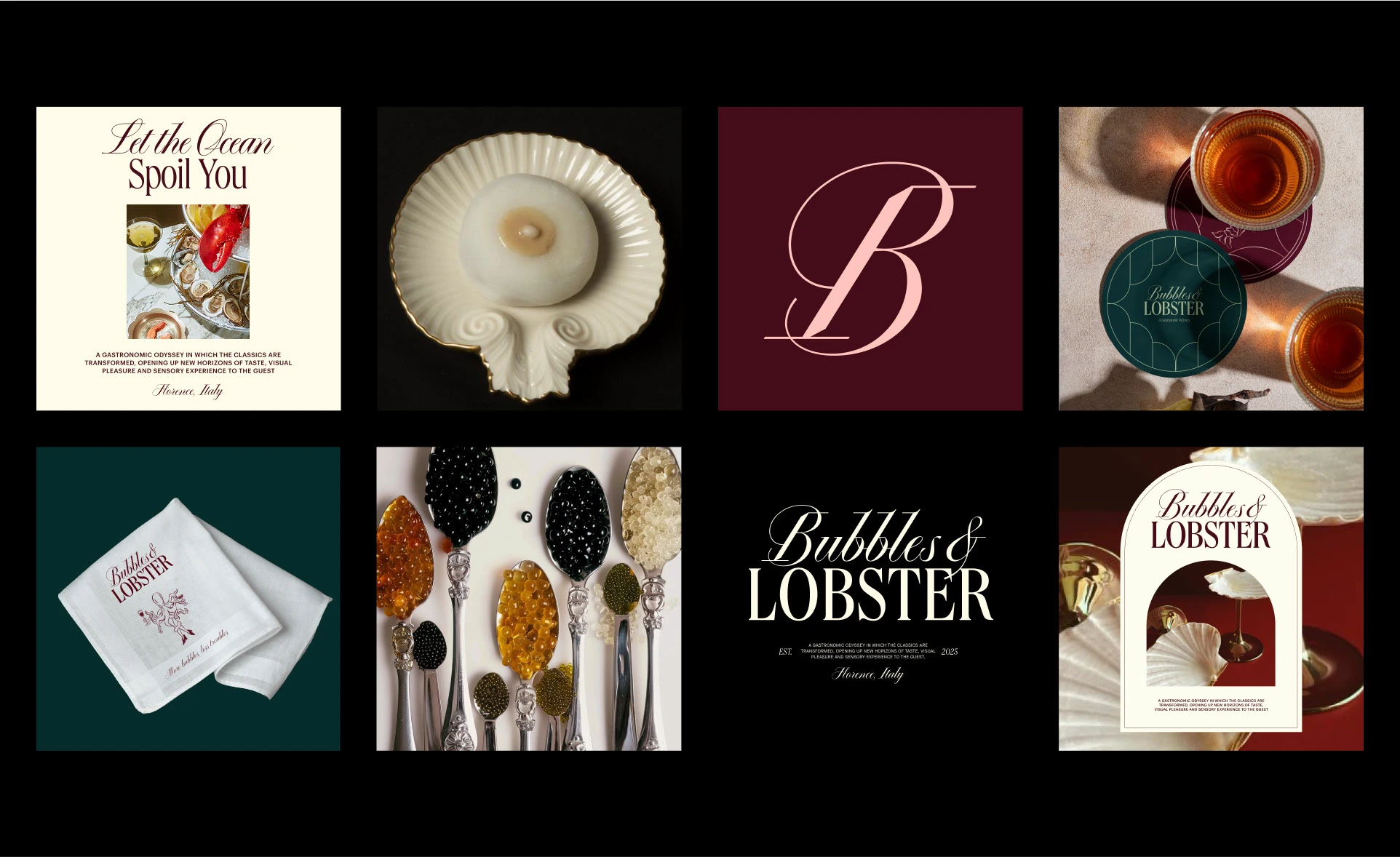
Coming back to aesthetics, globally there's a huge amount of bad design, and what surrounds us is most often lame. So, being in the profession, you can be a forest ranger. Some decisions pass through your filter, through your lens. You can say "no, stop" and keep something bad from entering the general mass. That's how you influence the piggy bank of aesthetic intelligence of a large number of people.
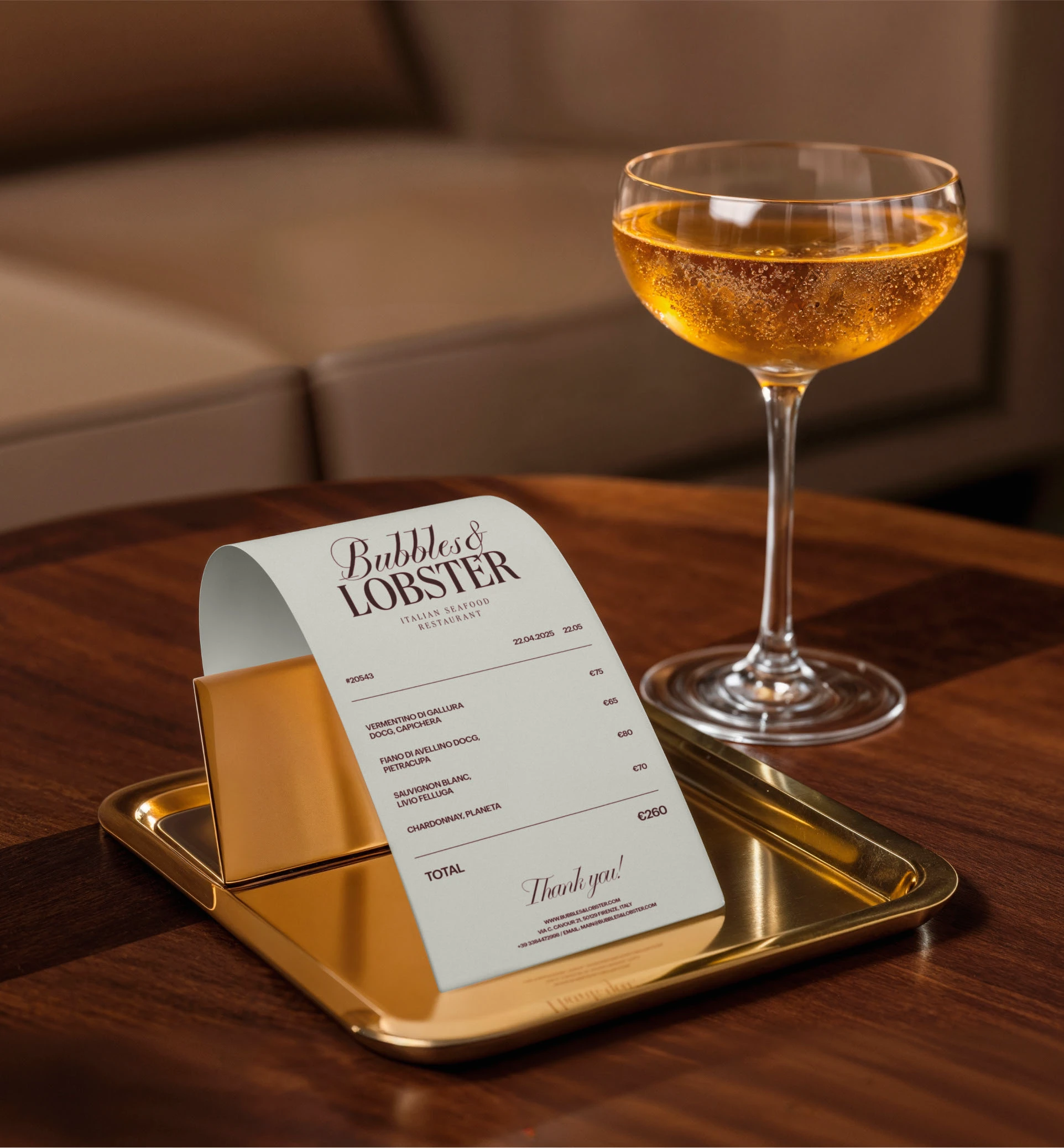
Which projects turned out well, where you managed to flip the brief or, on the contrary, the brief fit your values really well?
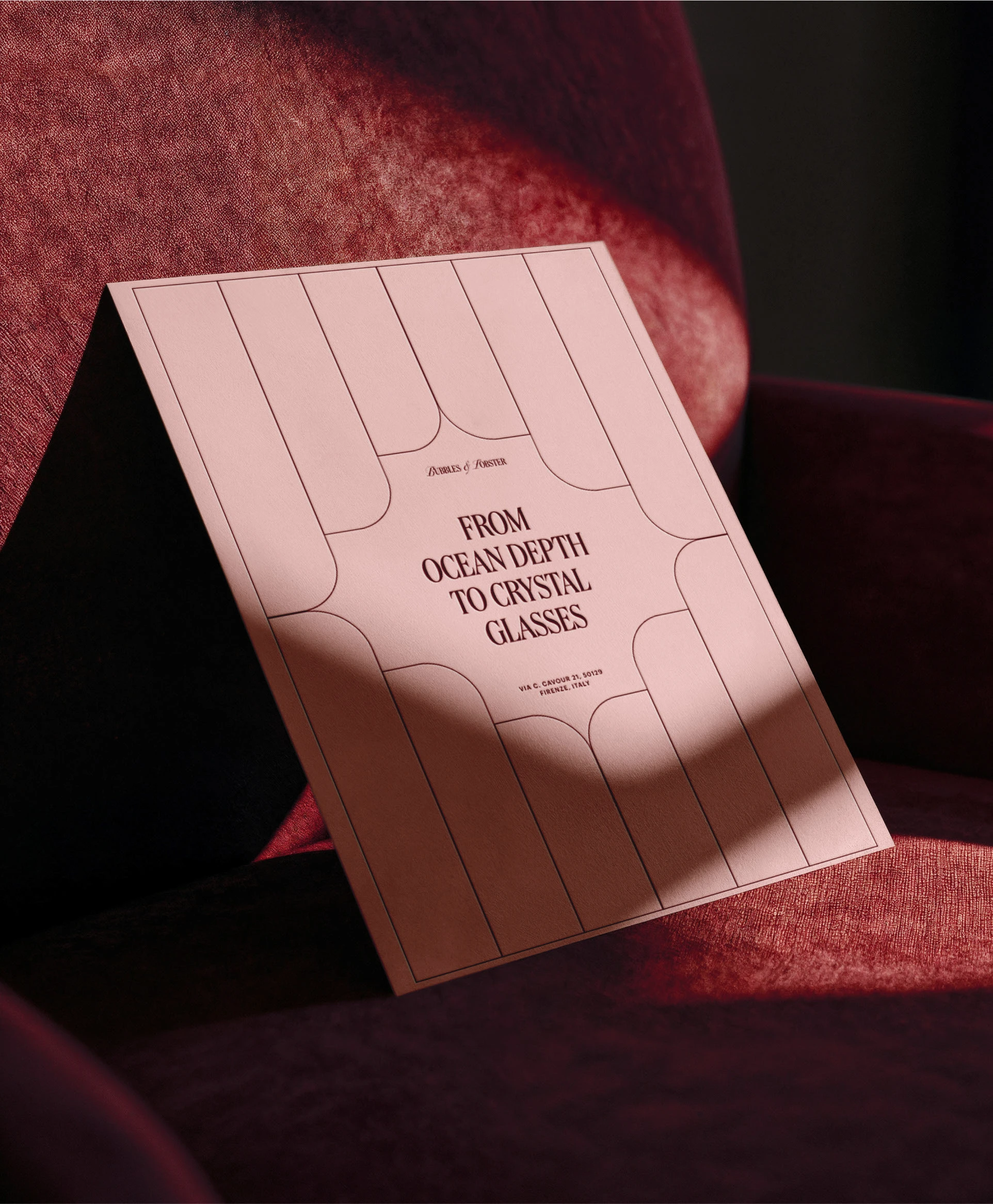
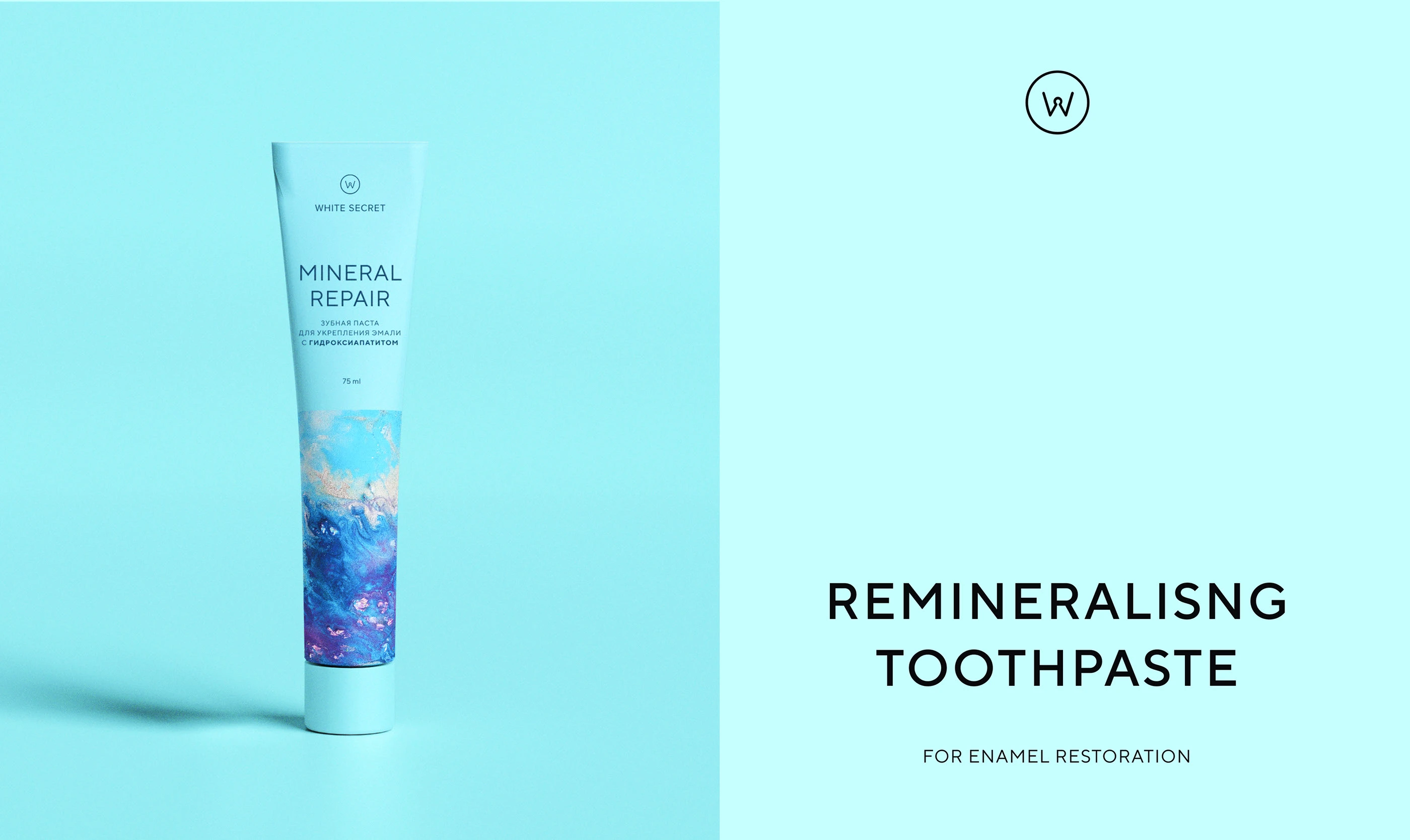
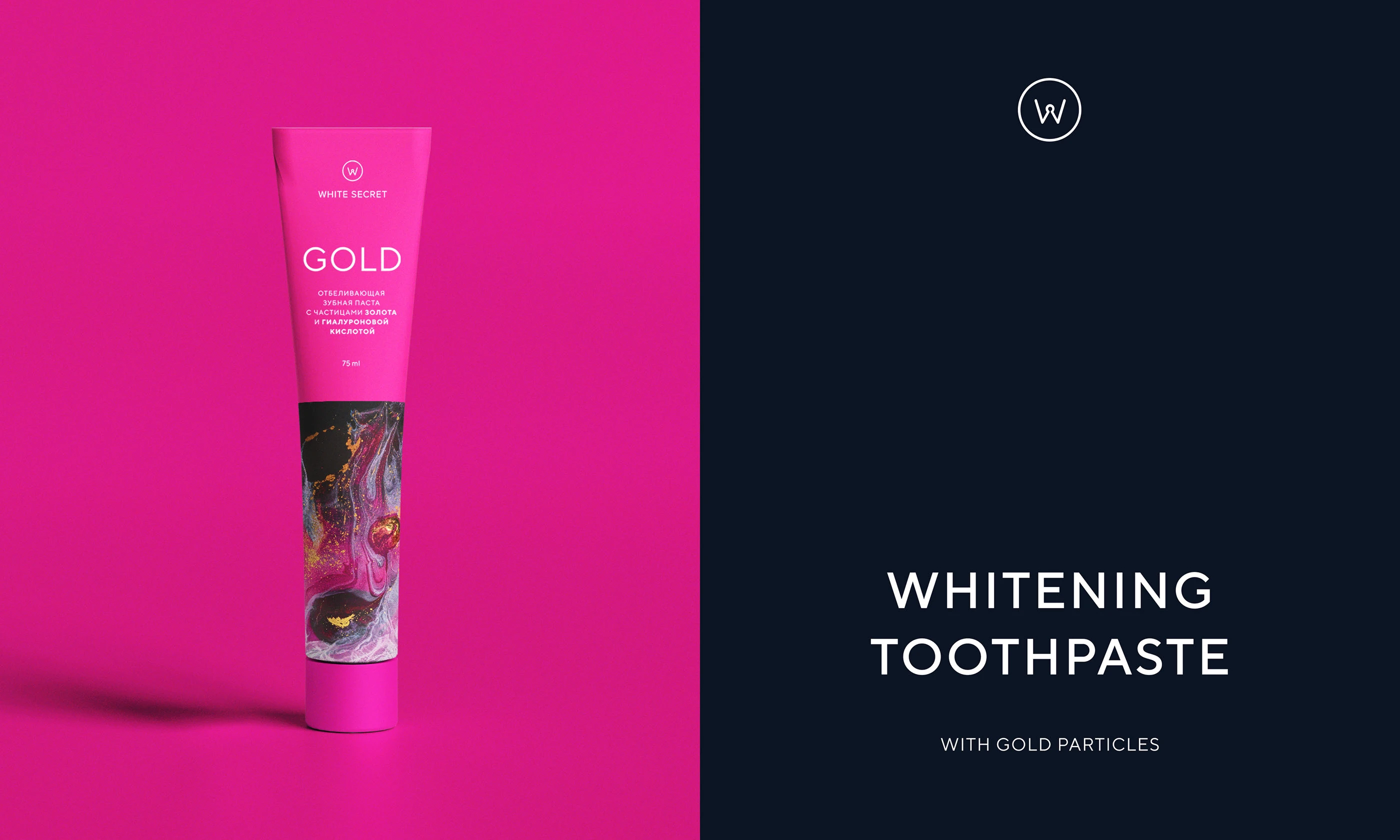
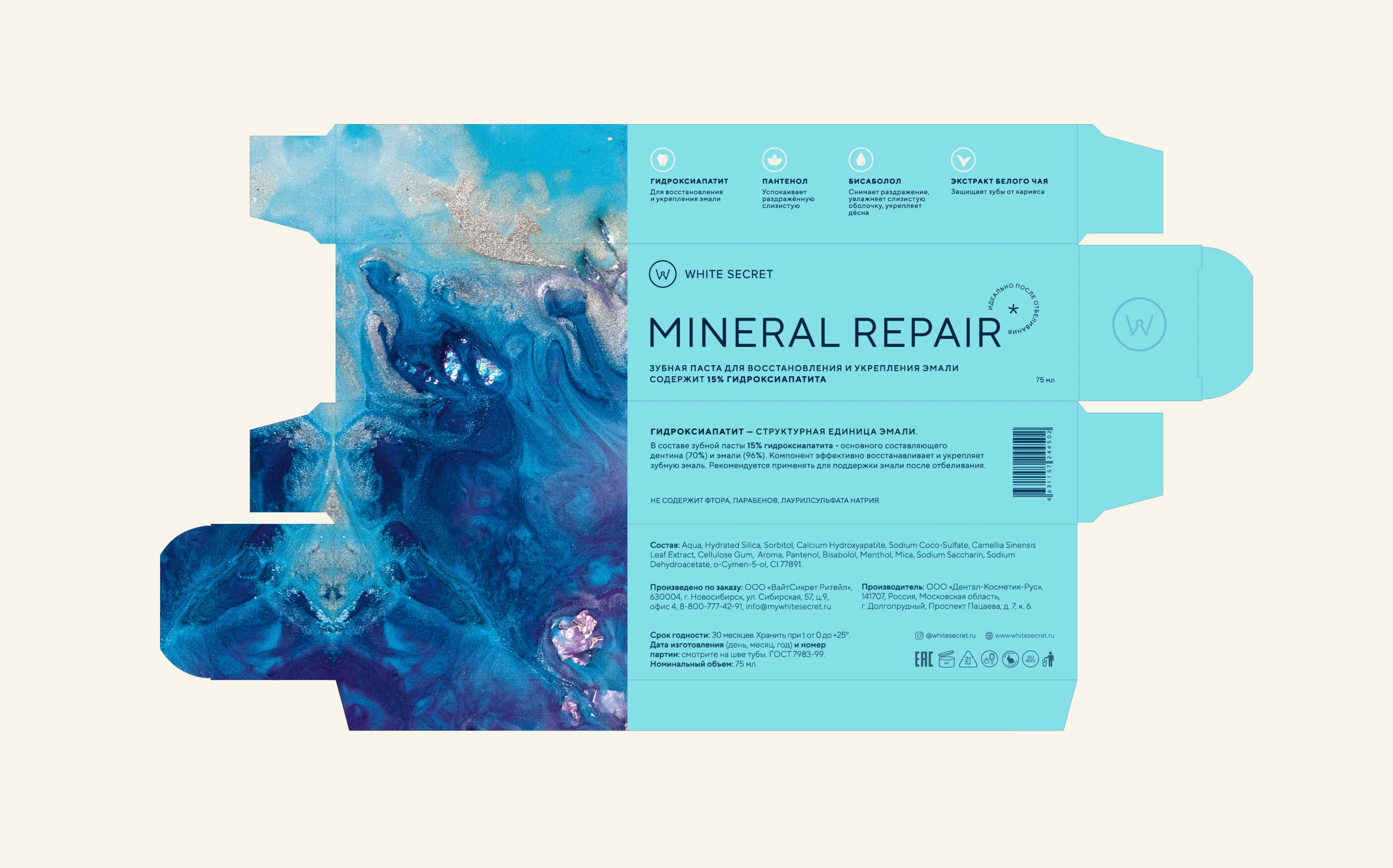
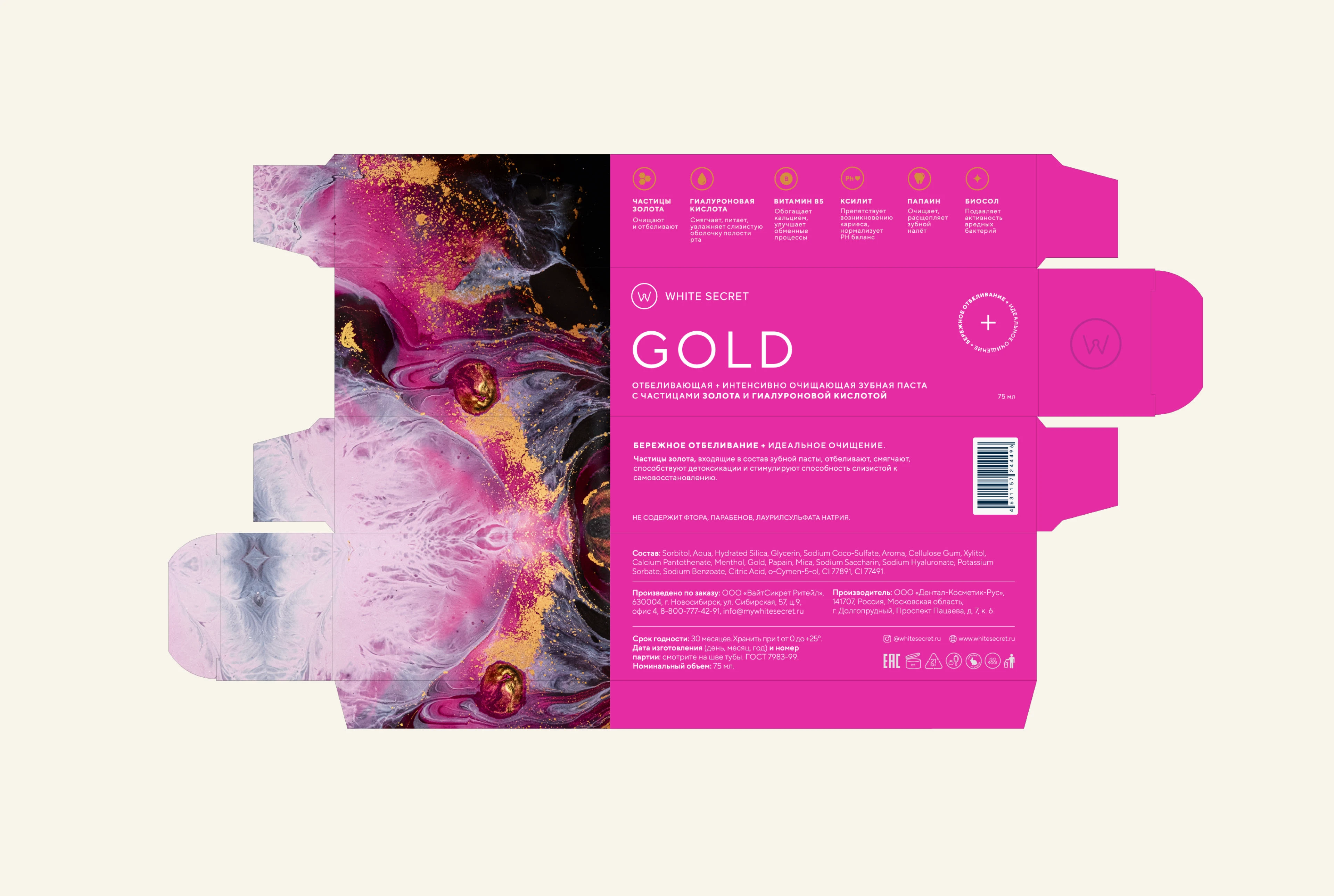
One of the coolest collaborations in the studio's whole history is with White Secret. The brand isn't super huge, but it's local and great. We make everyday oral care products with them. One of the cases is a children's toothpaste.
We tried to get as far as possible from the cartoon characters that populate the marketplace, where there are constantly Ricky-and-Morty types, Fixies, little dinosaurs or space heroes. We went in a different direction: to make products that resemble a toy. The toothpastes themselves have little eyes, faces. We included stickers so kids could customize them for themselves. A creative and interesting project, and at the same time it conveyed our values.
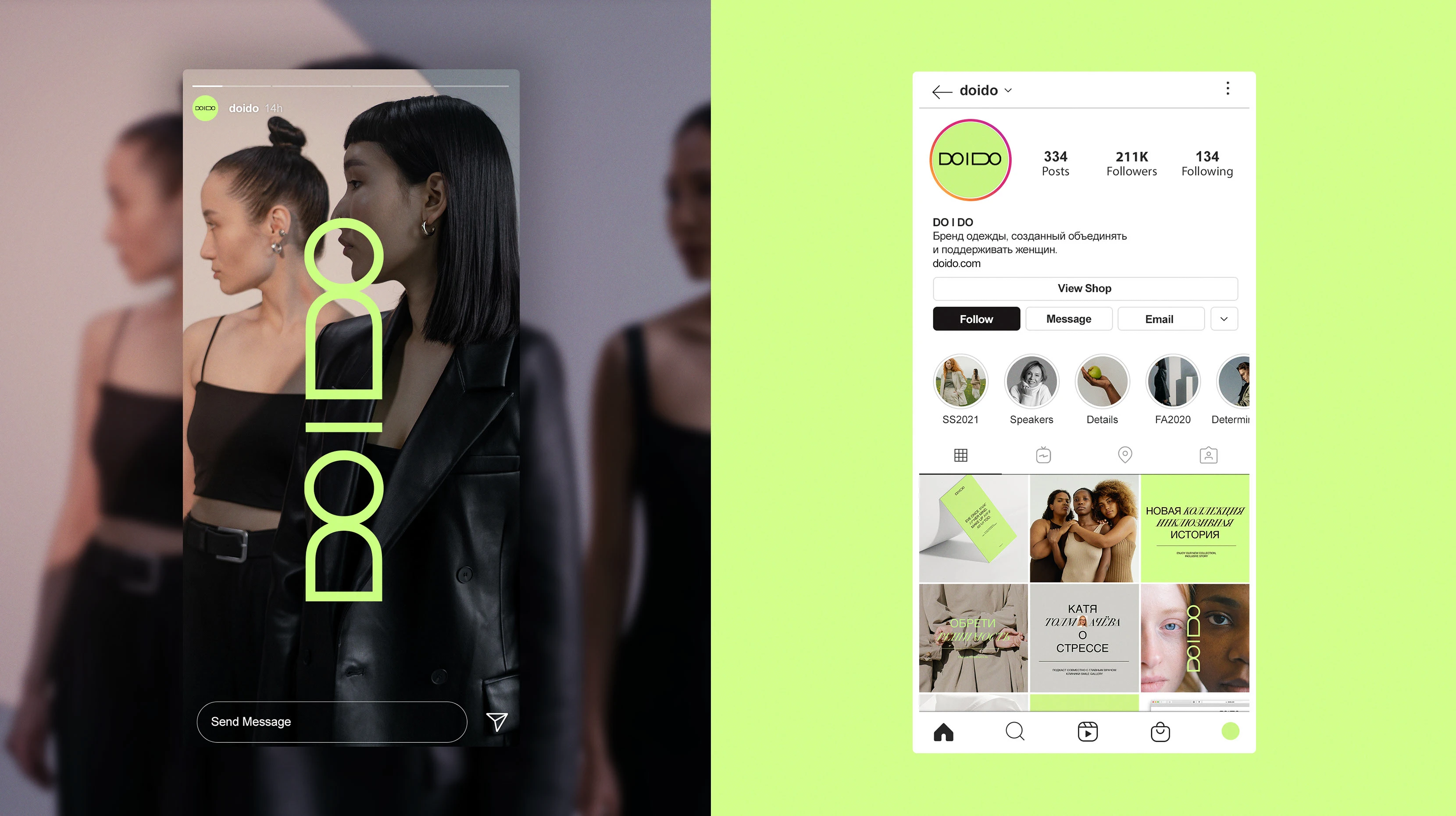
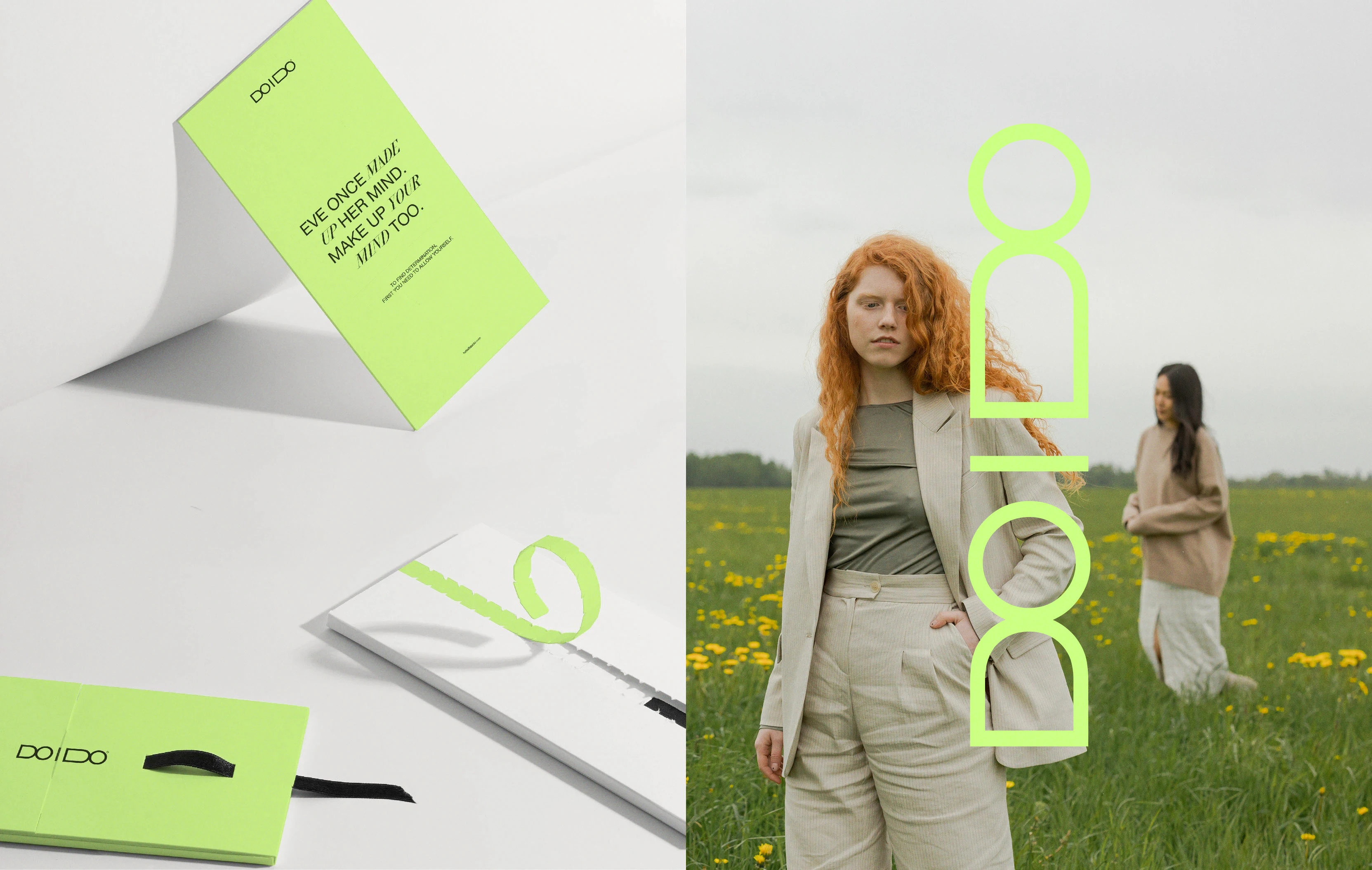
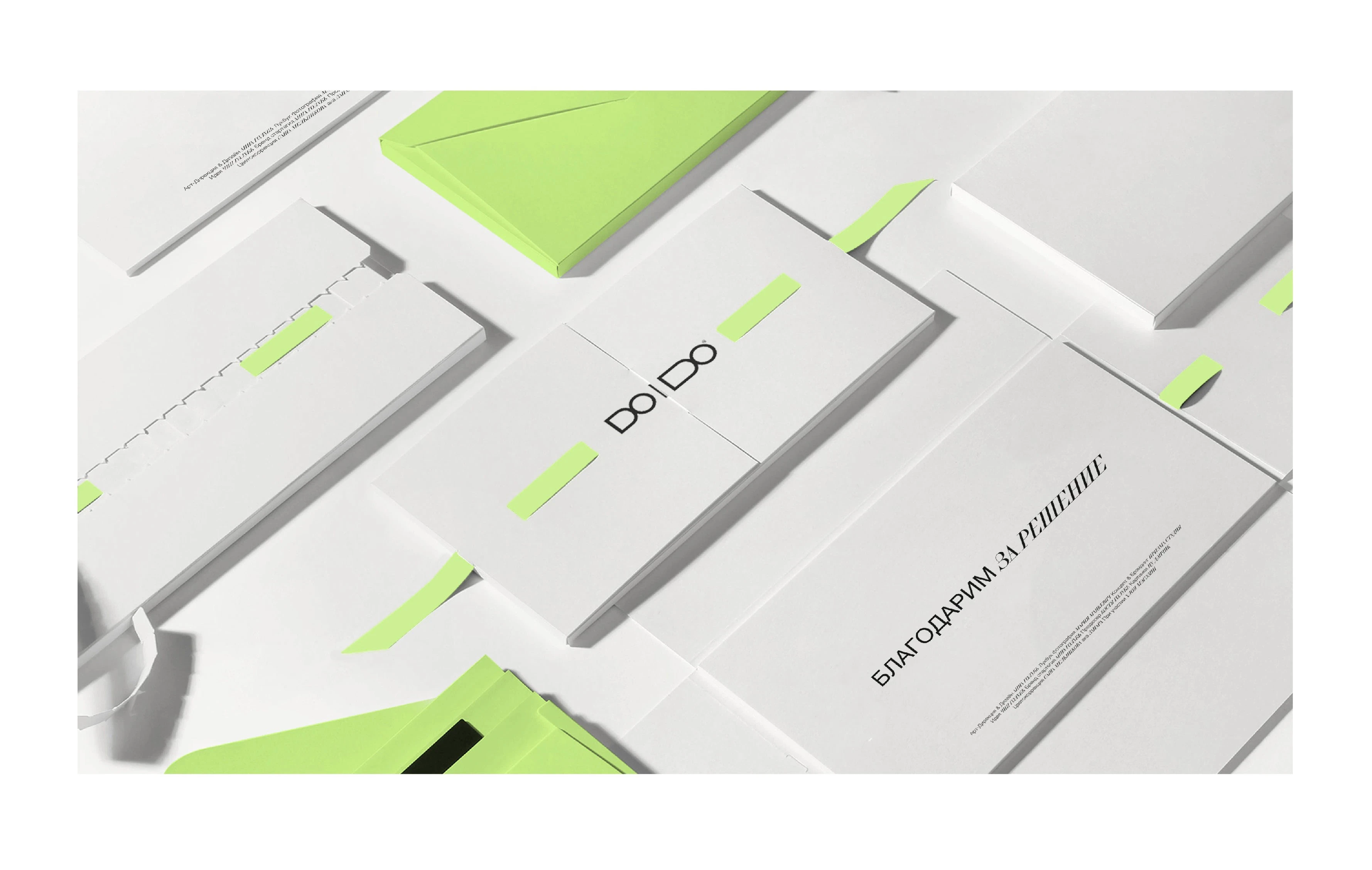
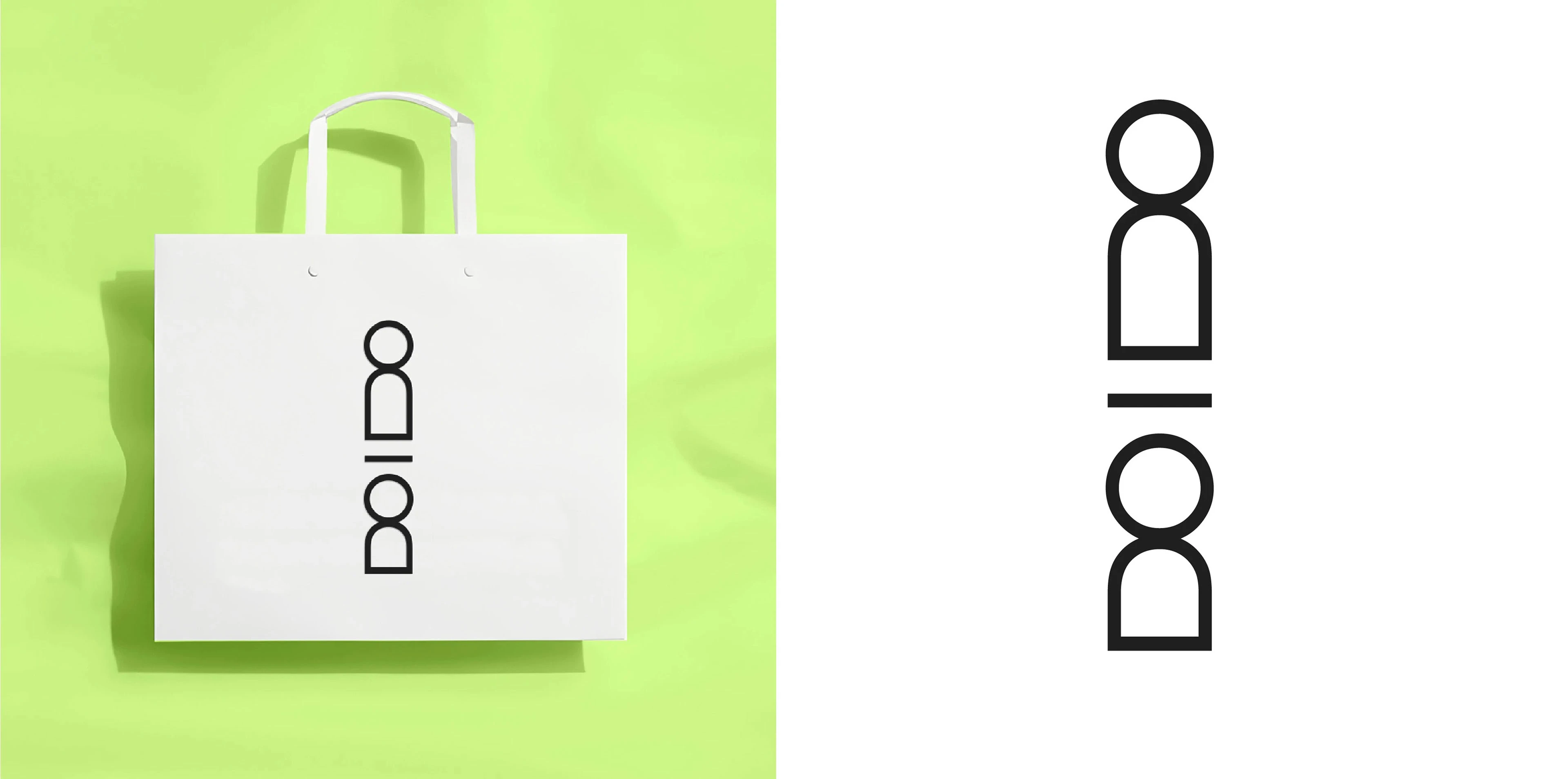
And there's a case we still like, which wasn't realized because of the client's business problems: the branding for the women's clothing brand Do I Do. On Behance it drew a lot of attention. We dug deeper than regular fashion branding. We tried to develop a big, deep story based on myths, on basic plots that are intuitively close to people. We had a story there about Eve, the woman who was the first to bite the apple and started acting the way she wants, not the way some so-called Lord had written for her.
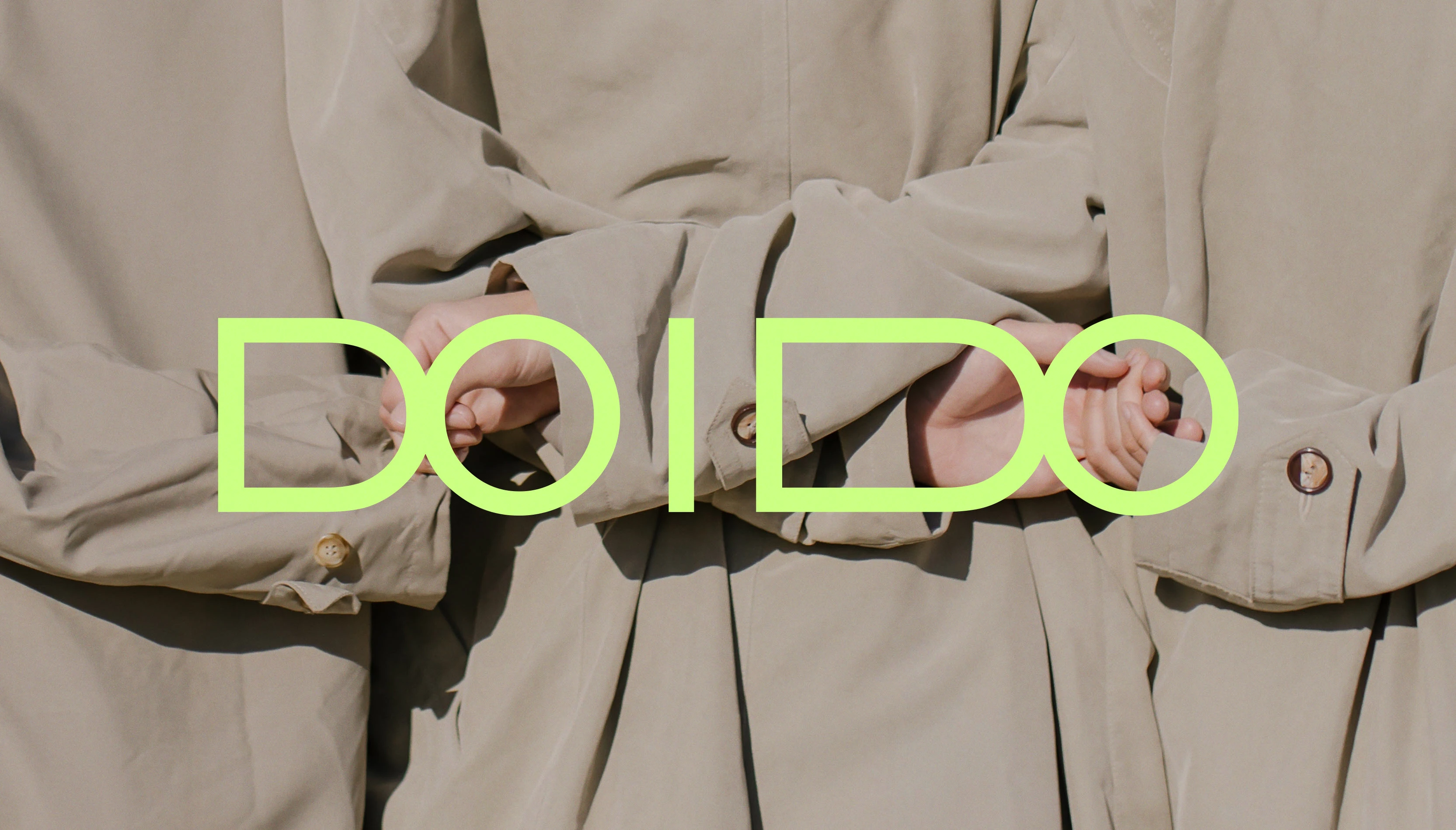
We really like this theme. In the most ordinary things – women's clothing, toothpaste – you dig deeper and create a new experience of reading everyday products. You create a brand's culture, you unfold a whole play around it.
How did you arrive at this holistic vision – strategy, conceptual search, refinement through to implementation?
As for depth, it's simply immersion in the profession. You understand how marketing and branding work. You learn that before the visuals there has to be strategy, before strategy – research, before research – immersion in the client's business. It's all technical here.
Overall, it's just a desire to do something unusual. If your niche is a children's school, toothpaste, burger joints – you want to make it interesting for people, to attract attention. And that means pulling some trick with the topic, presenting the information that's usually presented in a different way.
I've always liked the fashion industry, where topics are presented very boldly, daringly and yet intellectually. That goes back to my student days, when I hung out with the guys who threw parties in our city. We had this kind of fringe crowd – skaters, DJs, photographers, artists. The common theme that held everyone together was art, fashion and design. Probably that's where it all started.
Among books I really value autobiographies – David Lynch, Moby, the film about Mia. Very inspiring stories about how people follow the spark they have and do everything they can to broadcast it. That's an important thing when you do creative work. Even if the creative work is more commercial – we have a task, we complete it, we get paid – it's still strong inspiration.
Tell me about practices and rituals, work-related or personal.
For me everything rests on predictability, on creating as much of it as possible.
The more planned and predictable the creative process is and the more comfortable I am around it – the better. People sometimes say you need to leave your comfort zone. It seems to me that to create great things, especially in creative work, that comfort zone is super necessary.
If you're on edge – in anxiety, panic, anger, any difficult emotional situation – it's hard to create a great final product. So I make my day as predictable as possible, everything is planned down to the minute. I like crossing things off: this one's done, answered here, wrote there. Managing yourself is a super important thing.
Plus a healthy lifestyle: good sleep, a minimum of exercise, proper nutrition. No buns instead of lunch or chocolate bars instead of breakfast, and certainly no cigarettes with coffee. All of that has an effect.
As for design, to stay in the loop it's important to look and read every day, look at refs and colleagues. To admire, to envy, to hate yourself, then get inspired again, love yourself, believe that I'll make it too. Then see someone again and think: God, how awful, nothing at all is working out for me. This healthy competition within the industry is a necessary thing every day.
Like: "oh well, today we'll skip the research, we'll just draw sketches and run off to the guidelines." That's not culture.
– Anya Golub
I think culture is first of all inside. And all of it comes out in the level of aesthetics that we produce and convey. Thanks to it we influence our surroundings and can educate an audience, educate whole generations, maybe, if we have a good project.
– Anya Golub
You amazingly manage to combine roles – designer, director, mom. You keep moving without dips. Is the secret a plan?
A plan, definitely. And, honestly, I'm a little scared of losing my edge. I can already feel when I'm not doing something or not growing somewhere, I feel how far behind I'm falling. So even on maternity leave I decided to take some courses, so I could at least listen to them, understand what's going on there, if I don't have time to do things. A lot is changing.
I've met many designers who came for consultations. Five, ten years of experience, and in reality, looking at the work, I'd say: well, a year, two at most. And now many people become super cool guys, leads, in three years. So sometimes "three months of experience" is true.
The most important thing is to keep diving in, looking, searching, not to stop studying the field, at least visually. Looking at references, at what others are doing, is super important.
How are priorities set in your process – the big idea, the business task, the search for something new?
In creating design, the client and their business always come first. We don't work with musicians, theaters or social projects. For us business always comes first. Its tasks, goals. Why does it need design here? What do they want? The client's vision. That's the basic thing.
Then we can add some of our own things. Why will we take on this project? What will we get out of it besides money? It could be a chance to realize a solution we've wanted to do for a long time. Or a chance to influence the industry. If, for example, a diaper project comes in, there's nothing fun in that niche at all: everything is basic, Korean. And I saw on one website that someone made rave diapers for millennial parents. Cool, right? A damn good project. That's your "little thing" that you bring to the project.
"Doing it totally detached, like an observer" – I've had such tries. It turns out the client doesn't really like it, and you don't like it. What's the point? Without soul, the project has nothing to hook people with. Being an "aggregator of design solutions" – here are colors, fonts, a basic metaphor – seems unrealistic to me. The metaphor can be great, but there won't be soul, and there won't be that thing that makes people love it afterward.
As for myself, I'd like another thing for the soul, like designers with a mini-brand of their own where they fulfill their fantasies. That's a goal for the near future.
The conflict between craft and technology – does it exist, or are they complementary?
It can definitely be used to your advantage. In the end it's a tool. Just like Adobe Illustrator once appeared and became a tool. Now all technologies are tools, trendy ones that push everyone out with their apparent accessibility. Like: you write words – you get a picture. But in fact you need to dive in the same way you dove into Figma or into 3D – Cinema, Blender, doesn't matter.
As for art and intelligence, craft, what's created by hand will be more of a premium story. I recently saw a collaboration of an artist with Dior: she painted pictures in her style, and they were made into prints on a bag. It's the work of two people – the brand and the artist. When we make illustrations for a brand, we have to bring in a person to work. That's time, resources, money. That will be available to brands with more resources.
With AI you can take one designer who can draw vector and work with AI. Cheaper, a wider toolkit. But they don't have the specialization of an illustrator-artist. So the conflict exists and will continue. A stratification will happen: some things will become more accessible, some less. Segmentation by tools.
At the same time, with neural nets you can achieve some result. Of course they're not very predictable. But if you come in already with a vision, the neural net helps realize the idea, test it. At the first stage it's a really great tool. Then you choose yourself: bring this slightly raw thing to production (if appropriate) or refine it with a specialist, an artist, add emotion and life. Then it will later evoke more emotions in clients.
I've started using AI even more for concepts myself. It just makes work easier. You don't spend a thousand years looking for mockups in one series, you take it, work with a prompt and make shots where you drop in the final design. That's really cool. But all of this is concepts. The final professional product should ideally be made by people for people. And at the same time it's absolutely fine if it's made by people with the help of AI. That's the norm. The main thing is the possibility of all this. Pure joy.