
CGI, Product Metaphors and Inclusive Visuals
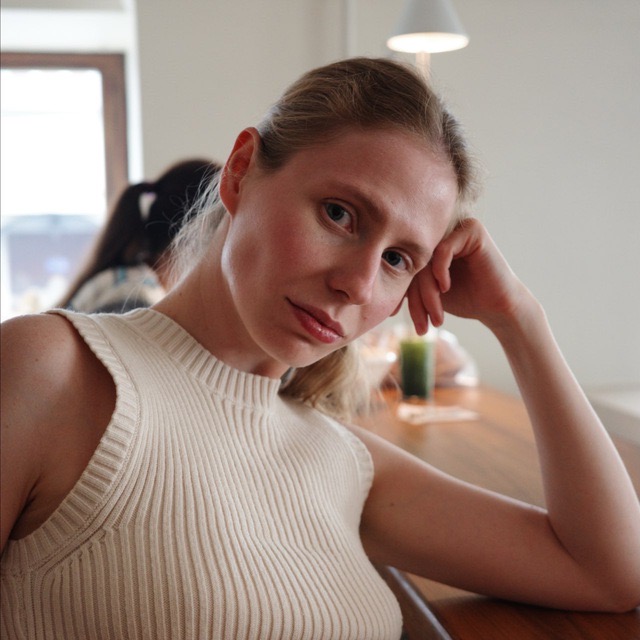
How do you define design culture for yourself? What does the concept include – principles, values, rituals within the team, an approach to decision-making, responsibility, the pursuit of beauty – or something else?
For me, design culture is the values and practices I follow every day while creating the visual side of a product. The set of values that matter to me is very simple:
First of all, a transparent and honest dialogue with the client, from which an understanding of the brand and its goals takes shape.
Logic and systematic thinking. Any decision I make has to be logically justified and respond to the task the product sets for itself. If an approach is unsystematic and you can't justify your position, you're just making pretty pictures.
A balance between form and function – in my work I try to hold to clear visual solutions that support the client's goals.
Most important for me is to be open to new experiences and not be afraid to take risks, but within the bounds of a safe experiment.
Why CGI design, and what drives you most about it right now? I'd love to hear it through one to three cases that particularly influenced how you see the field or your approach.
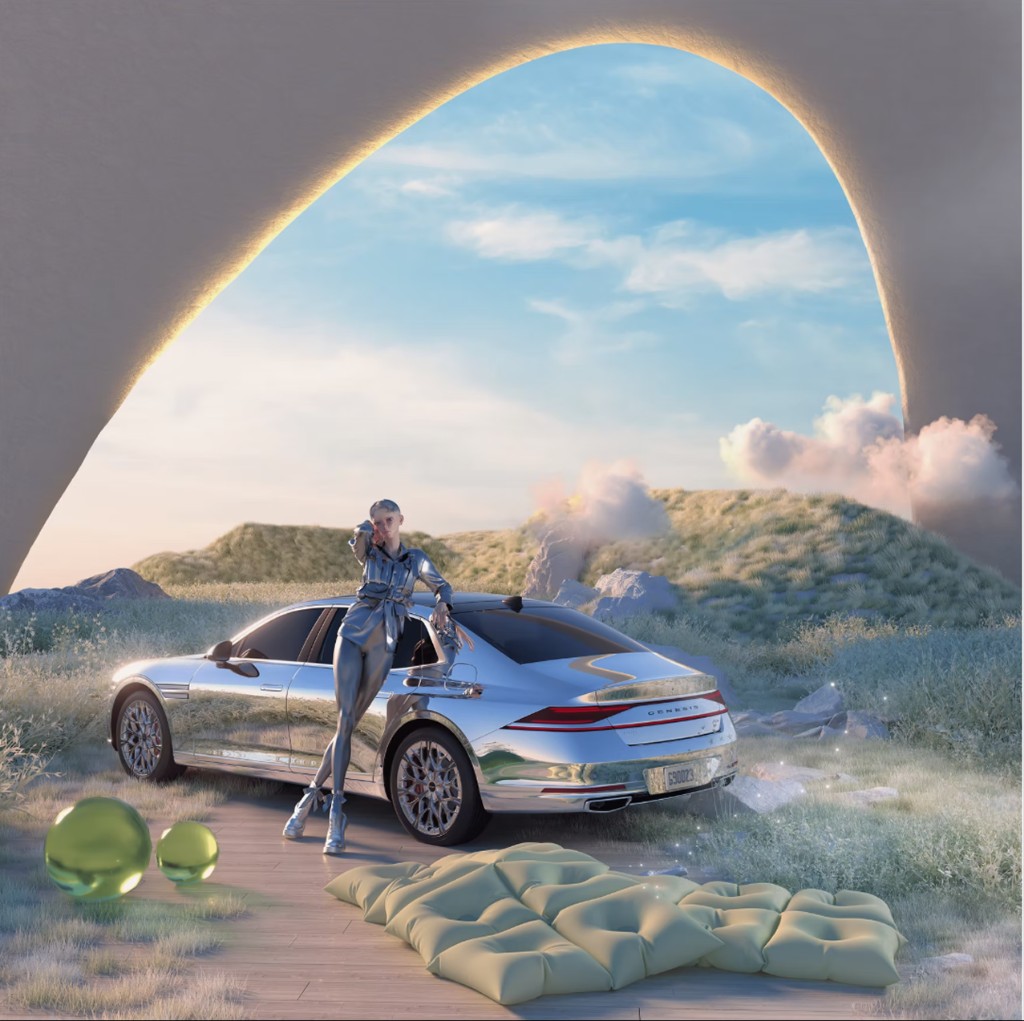
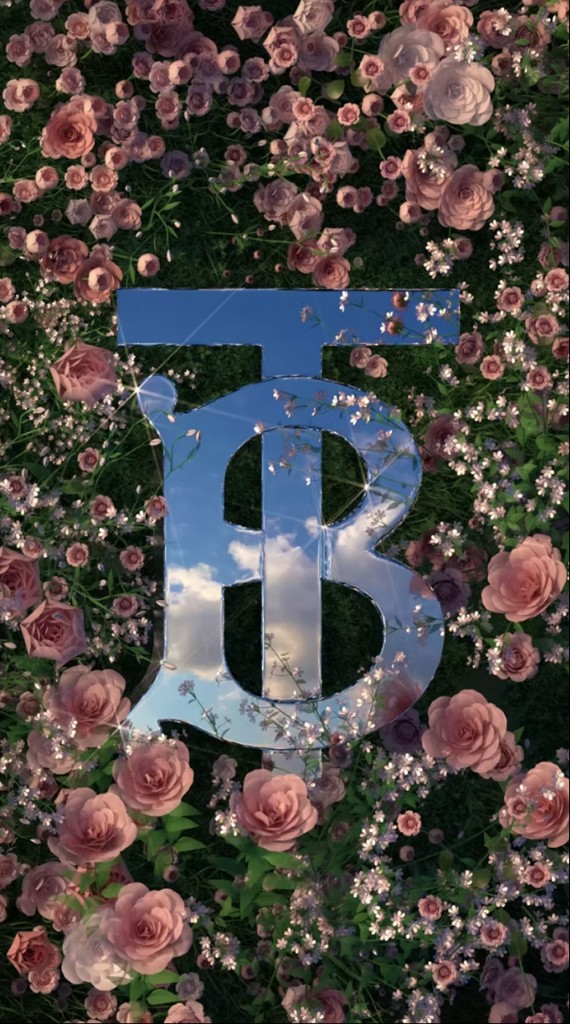
I've always liked looking for that very "metaphor" in a visual solution that reveals the essence of a product. That's why I love CGI so much – it lets you tell the story of a product from completely different creative positions and shortens the distance between the product and a potential user.
As for what shaped my vision and taste, I can't not mention the 3D artist Smeccea, whose bright images, full of life and color, turned my idea of what CGI advertising can be upside down.
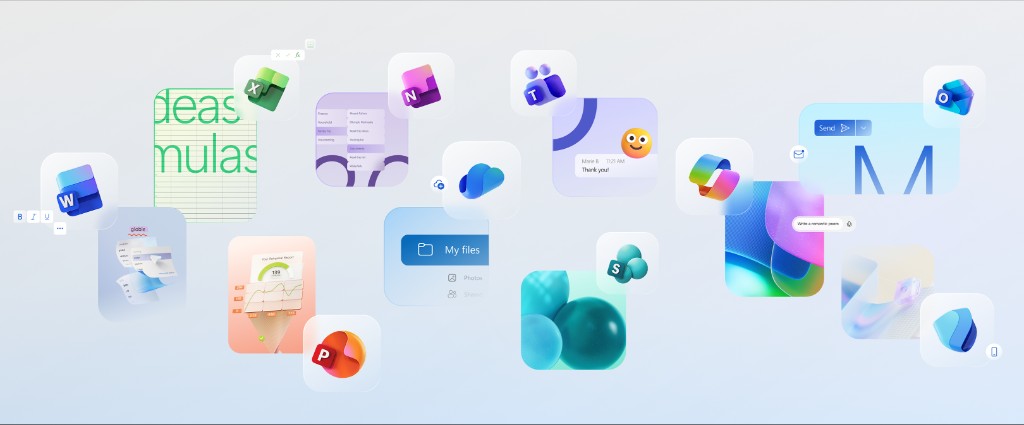
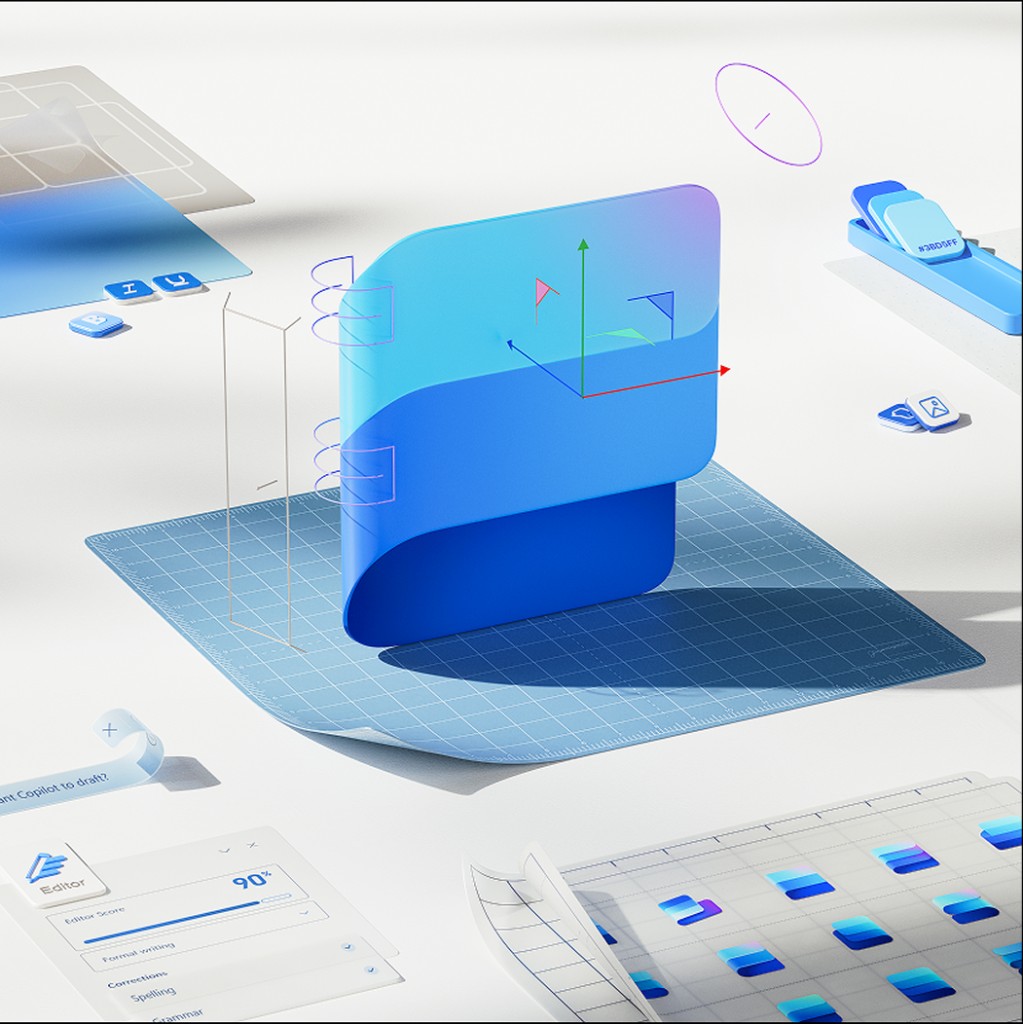
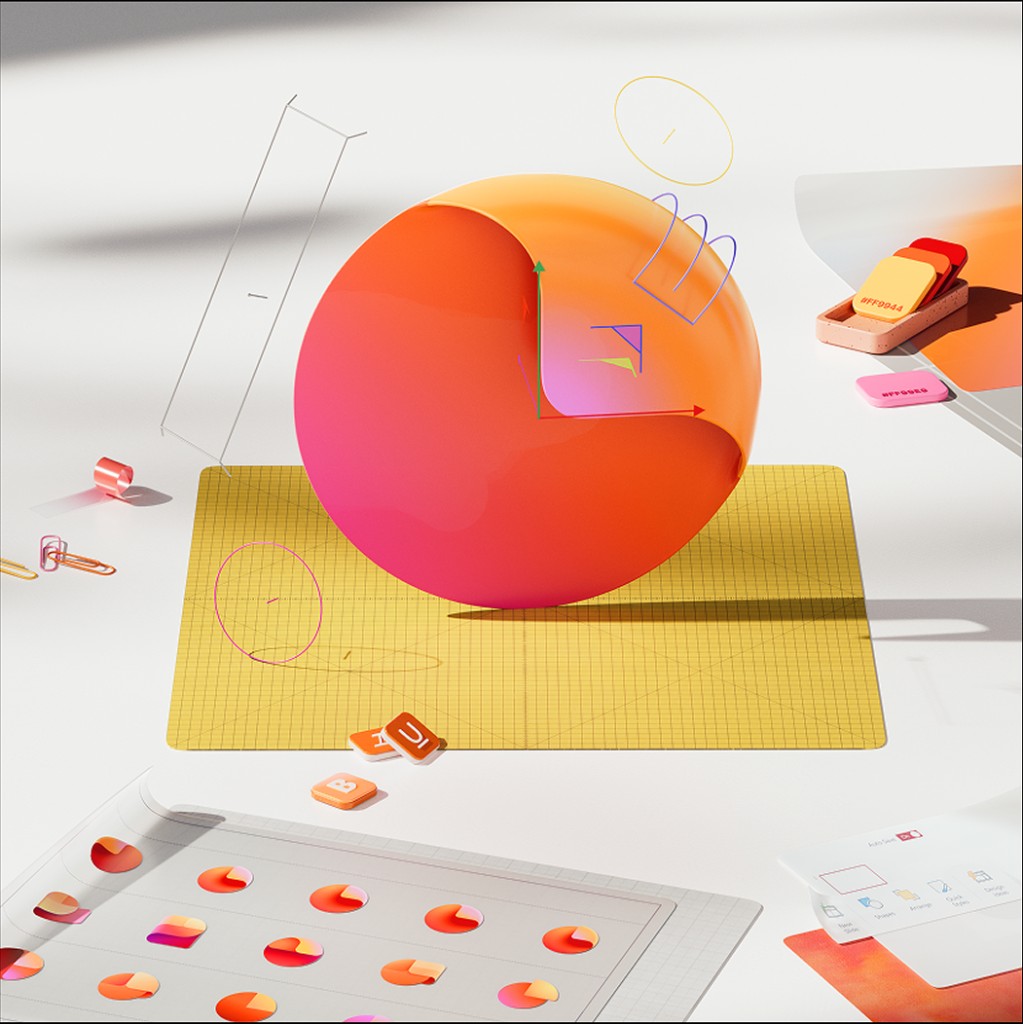
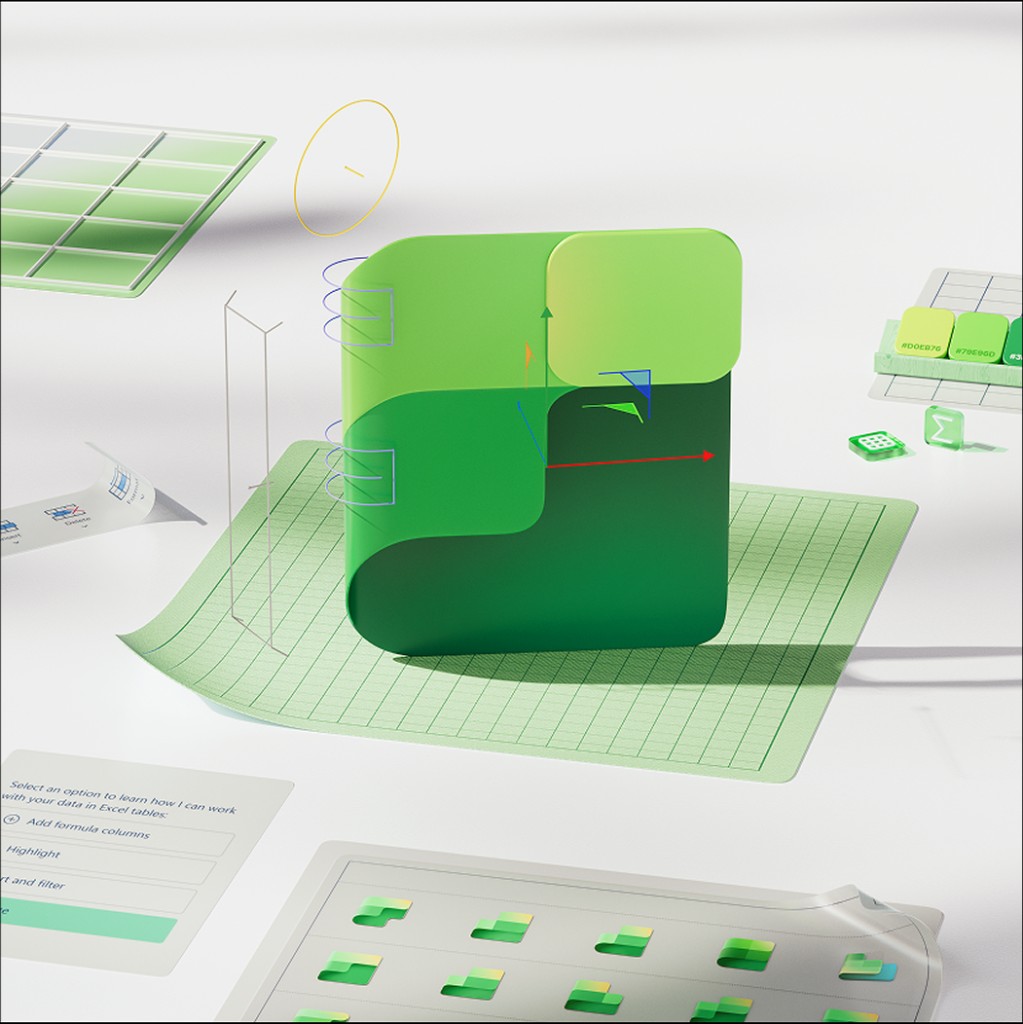
What inspires me now is the work of Microsoft's design team. The Office 365 update, the Copilot style – behind all of it you can feel the unified work of a team and a great love and respect for the company's heritage.
Which working practices or rituals stay constant? What supports and recharges you the most? Is there a recurring pattern you notice?
There are a lot of variables in my work, but some things stay constant. First of all, openness to dialogue – that's the only way to understand what drives the person on the other side of the product. A systematic approach to projects in general also stays constant: the whole process is broken into specific steps that help avoid chaos.
I do all my work from home, so a comfortable space is a constant for me. A convenient desk, a big screen and an ergonomic chair are an essential part of my home office. As for rituals, I'd single out walks with my dog during breaks: fresh air and physical activity do wonders for the creative process.
As for what supports and recharges me, it's definitely positive feedback on the work I've done. The best thing for me is to see that a person picks up on the metaphors and meanings I've built into the visuals.
Tell us about your current approach to projects. How do you translate values into design decisions? What do you rely on first, and what stays secondary? Is the focus on vision and the big idea, beauty, creating something new for the industry, virality, or something else?
As I mentioned earlier, any project I take on is broken down into specific steps, which lets me give equal attention to both form and function. CGI gives wide room for imagination, but what comes first is the balance between creativity and the business task.
At the center of the visual solutions I create is an inclusive approach. Design shouldn't create a gulf between the product and the user; inclusive visuals bring the two sides closer, evoking a positive emotional response to the product.
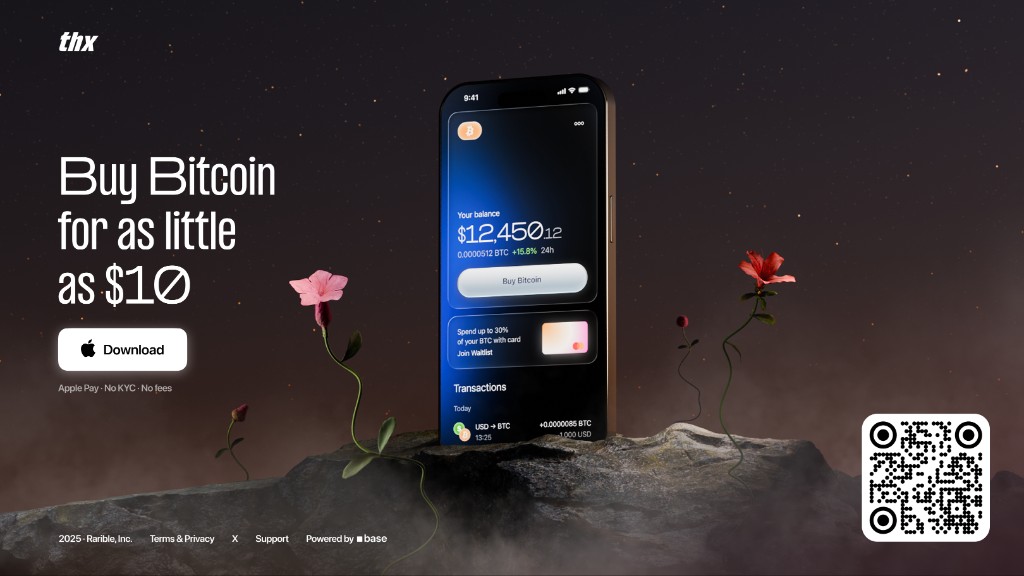
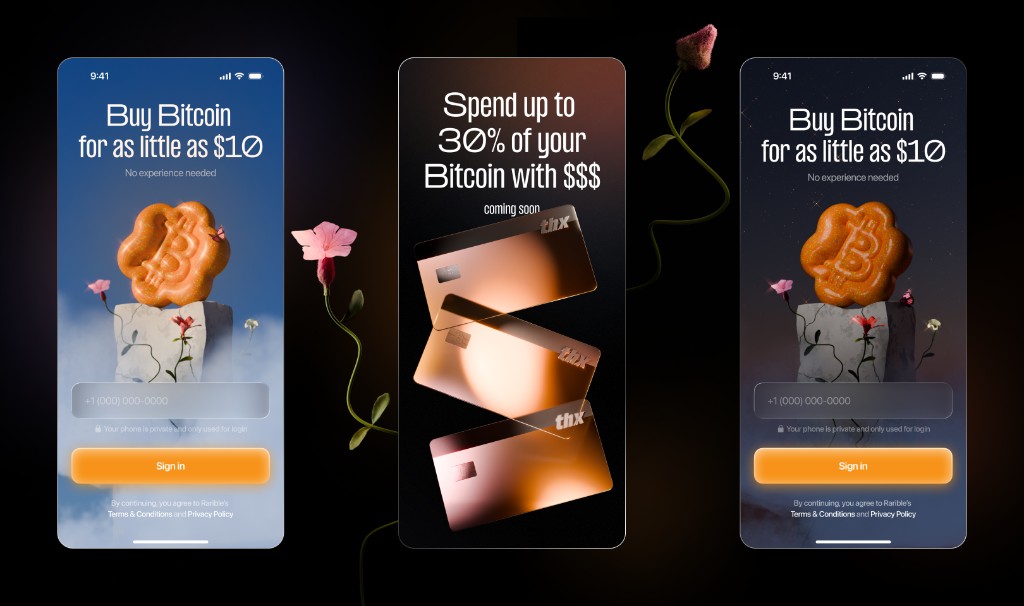
The last project I worked on illustrates my idea of inclusivity well:
Client: the fintech app THX. Task: create an app for an audience that has never done trading; a visual design free of the excessive complexity typical of professional trading platforms.
After research and several rounds of iterations with the product design team, we arrived at a final concept that set our visuals apart from all existing trading products and received positive feedback from potential users.
Working in the pont. team, what do you consider quality, and how do you articulate it? What is good design?
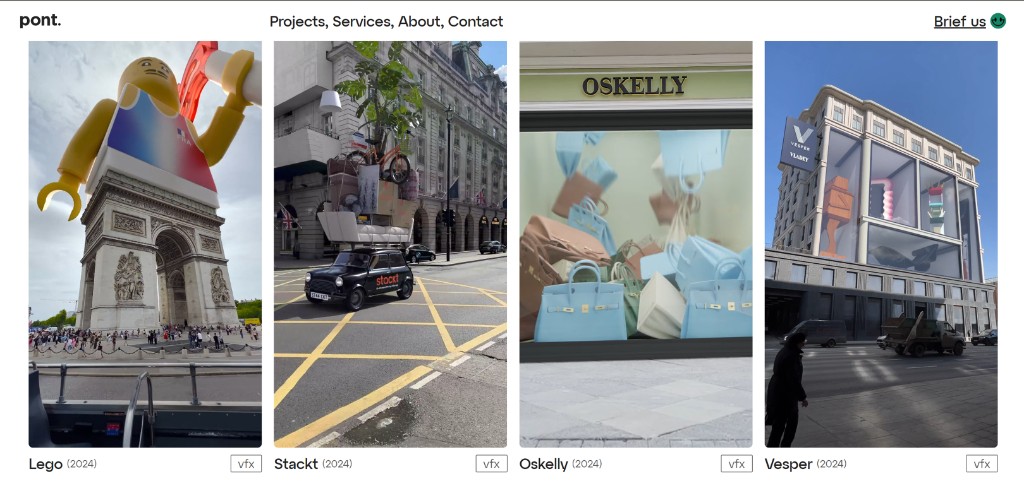
I joined the Pont studio in 2023, and over these few years I've taken part in creating 3D content for both Russian companies and international brands.
Studio work teaches you important things like meeting deadlines, working in a team, quickly finding the meanings and ideas that will be reflected in the work, and being able to create content on tight timelines that meets the clients' brief.
I see the guarantee of quality in Pont's strong art and creative direction, which leads the team toward a balance between art and business tasks, fast and open communication with clients, and keeping a healthy atmosphere in the team.
Craft and technology (AI) – do you see a conflict between these concepts, or do they reinforce each other?
For me, the link between craft and AI is like two sides of the same coin: technology gives speed and scale and lets you generate concepts and options for realizing them, while craft carries depth and an emotional connection between the maker and their product that you can't achieve with AI alone.
I think the value of a human in designing a product and its visual side is still high: critical thinking, understanding the brand and its users, building particular emotions into the product – none of this can be done without a person.