
The School as a Cultural Practice
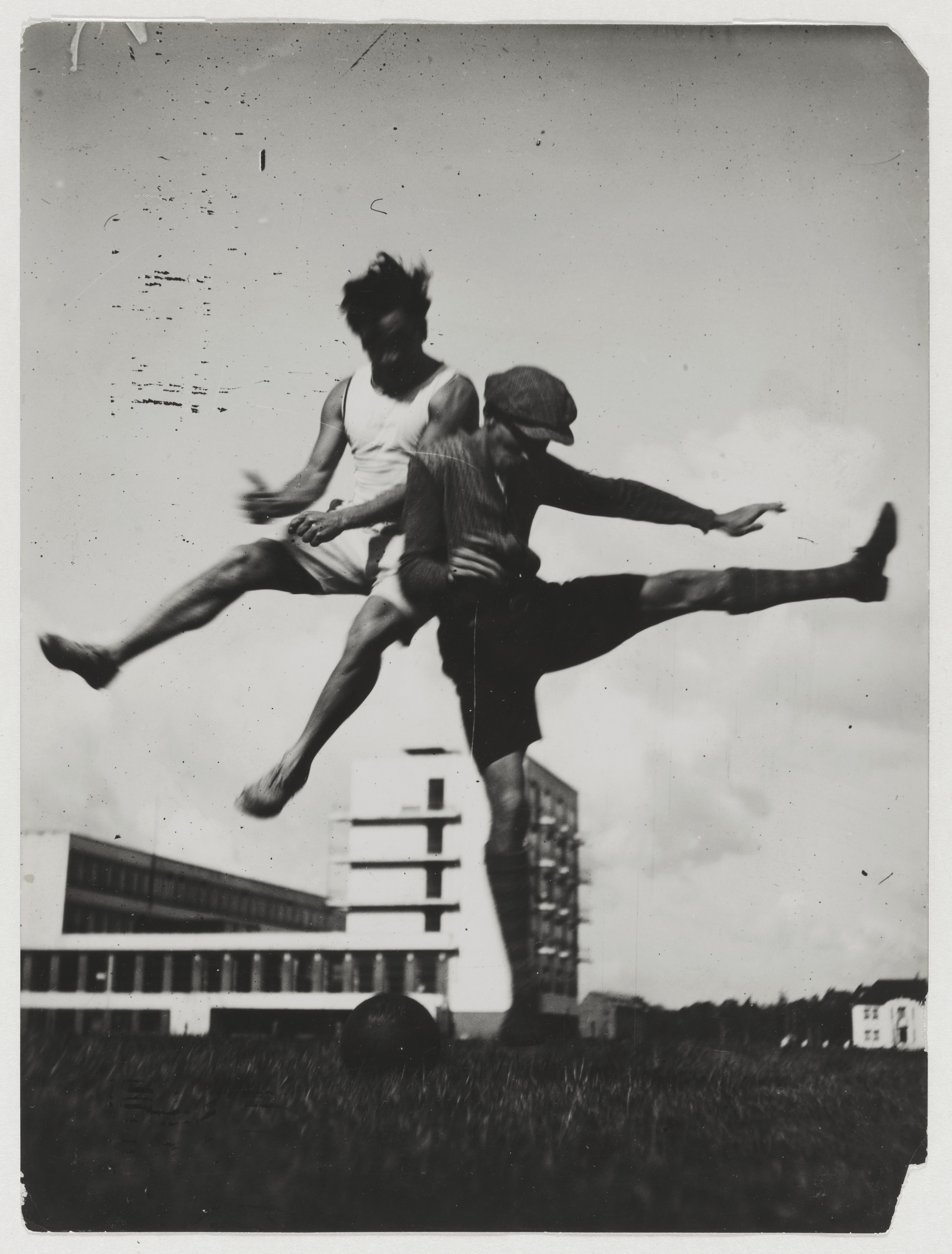
Before I started putting deFindings together, it seemed to me that a conversation about design culture could begin today. The more I listened to the people I interviewed, the more often I caught myself thinking that we are all referring to a language that is more than a hundred years old. I wrote this first story for myself – as an attempt to understand where the very idea that design can be a culture came from.
Proclamation and vision
The Bauhaus, founded by Walter Gropius in Weimar in 1919, goes beyond an art school in the traditional sense. Gropius set out the idea of the unity of all the arts in the Bauhaus Proclamation, offering a vision in which architecture, sculpture and painting merge into a single creative expression, subordinated to the service of material culture.
The key innovation of the Bauhaus was not its style but the redefinition of the educational model.
Vorkurs and workshops
Instead of a hierarchy between artist and craftsman, Gropius created a structure in which everything was subordinated to a holistic understanding of the object. Students took a preliminary course (the Vorkurs), where they studied materials, color theory and formal relationships, and then specialized in particular workshops: metalwork, carpentry, weaving, ceramics, typography.
Dual structure
What proved critically important was that each workshop was headed by two masters: one oriented toward artistic form, the other toward technique and craft. This dual structure encoded the value of synthesizing aesthetics and technology. The arrangement made it perfectly clear: there is no art without technique, just as there is no technique without art.
Rituals of critique
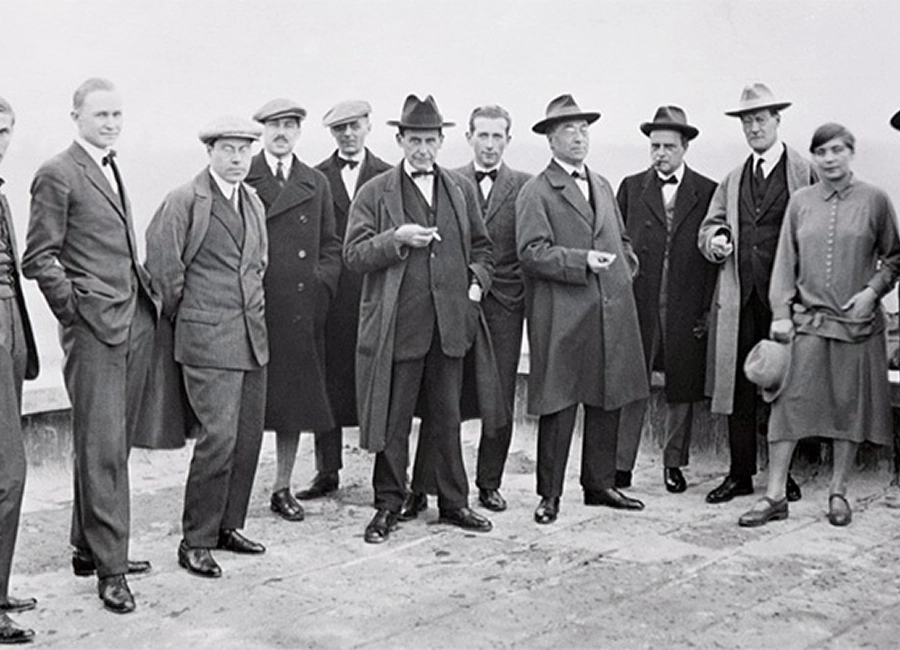
In parallel, a system of collective critique and reflection emerged. Students not only made objects but also discussed their decisions, argued for their choices and analyzed each other's work. These were the prototypes of today's critique sessions – the mechanism that is now built into the regular rhythm of design culture in the form of design reviews and feedback rituals. Rituals of critique made values material: regular discussions, joint projects, documentation of the process.
Aesthetics as ideology
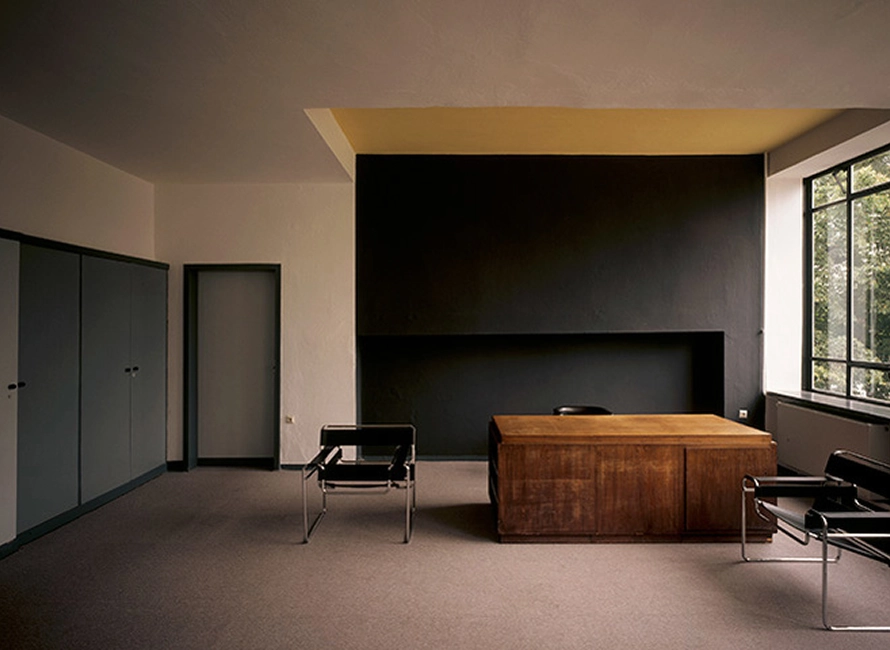
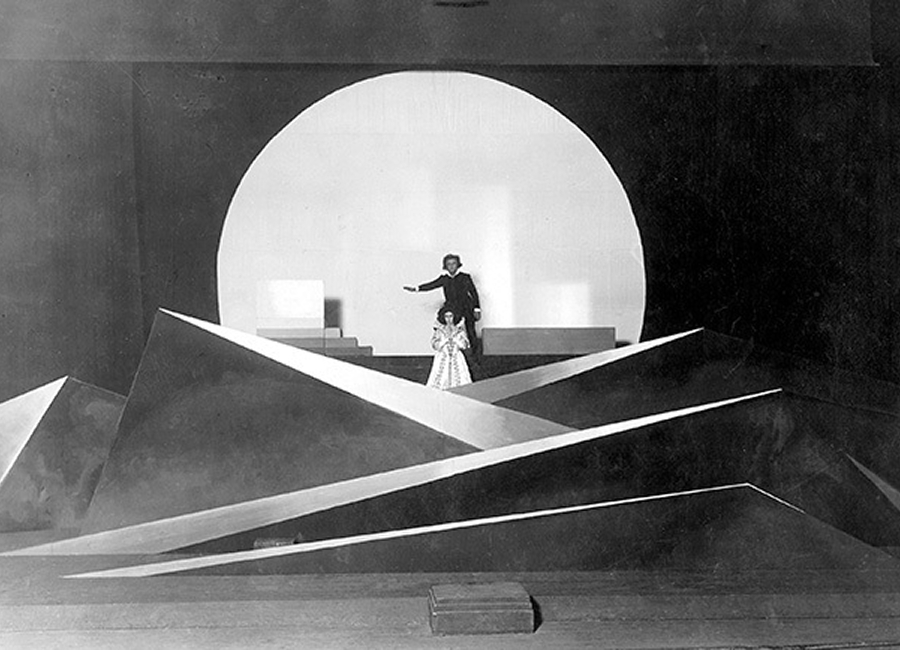
At the Bauhaus, aesthetics was an ideology. Pure geometry, the rejection of ornament, the minimization of means of expression – none of this was a search for beauty as such. Gropius and his colleagues (Wassily Kandinsky, László Moholy-Nagy, Herbert Bayer) saw visual language as a means of organizing behavior and thinking. The principle of "form follows function" was not an aesthetic manifesto but an ethical imperative: materials should be honest, design should serve the user, nothing superfluous.
The principle of form follows function was not an aesthetic manifesto but an ethical imperative.
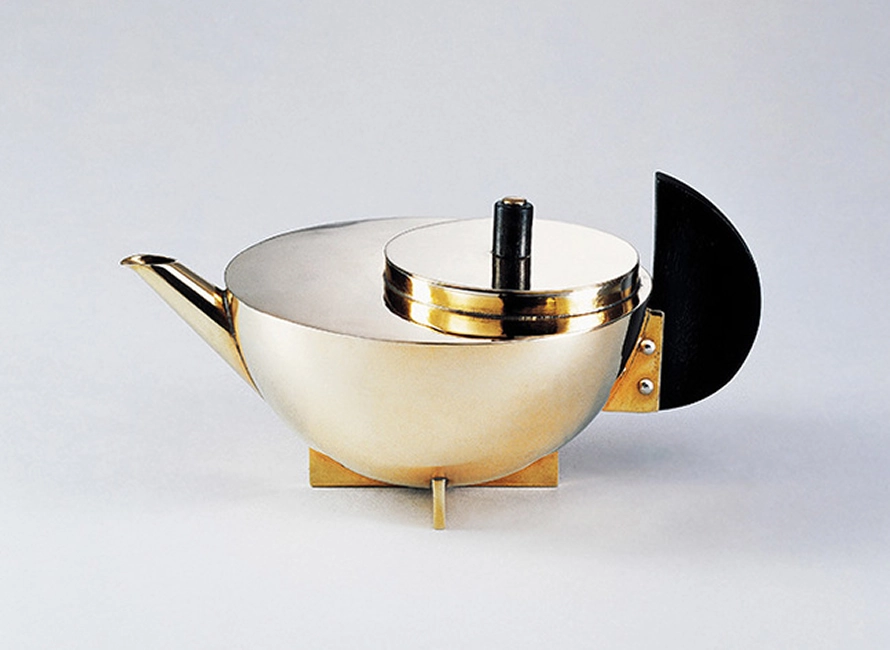
Art into industry
In 1928 Gropius introduced the formula "Art into Industry" – a clear turn from craft to mass production. This shift reflected the understanding that design can change material culture at scale. Many key figures of the Bauhaus (Marcel Breuer, Herbert Bayer, Josef and Anni Albers, László Moholy-Nagy) emigrated to the United States during the war, spreading not so much a visual style as a philosophy of design.
When one of deFindings' interviewees today talks about critique sessions in the studio, about the blank sheet at Alexey Pyankov's, or about the antidisciplinary approach at Together with you – those words reach back to this place, to Weimar. Not through style, but through the very way of agreeing on how to work.
Design stopped being decoration and became a way of engaging with the world.
– deFindings