
The System as Infrastructure
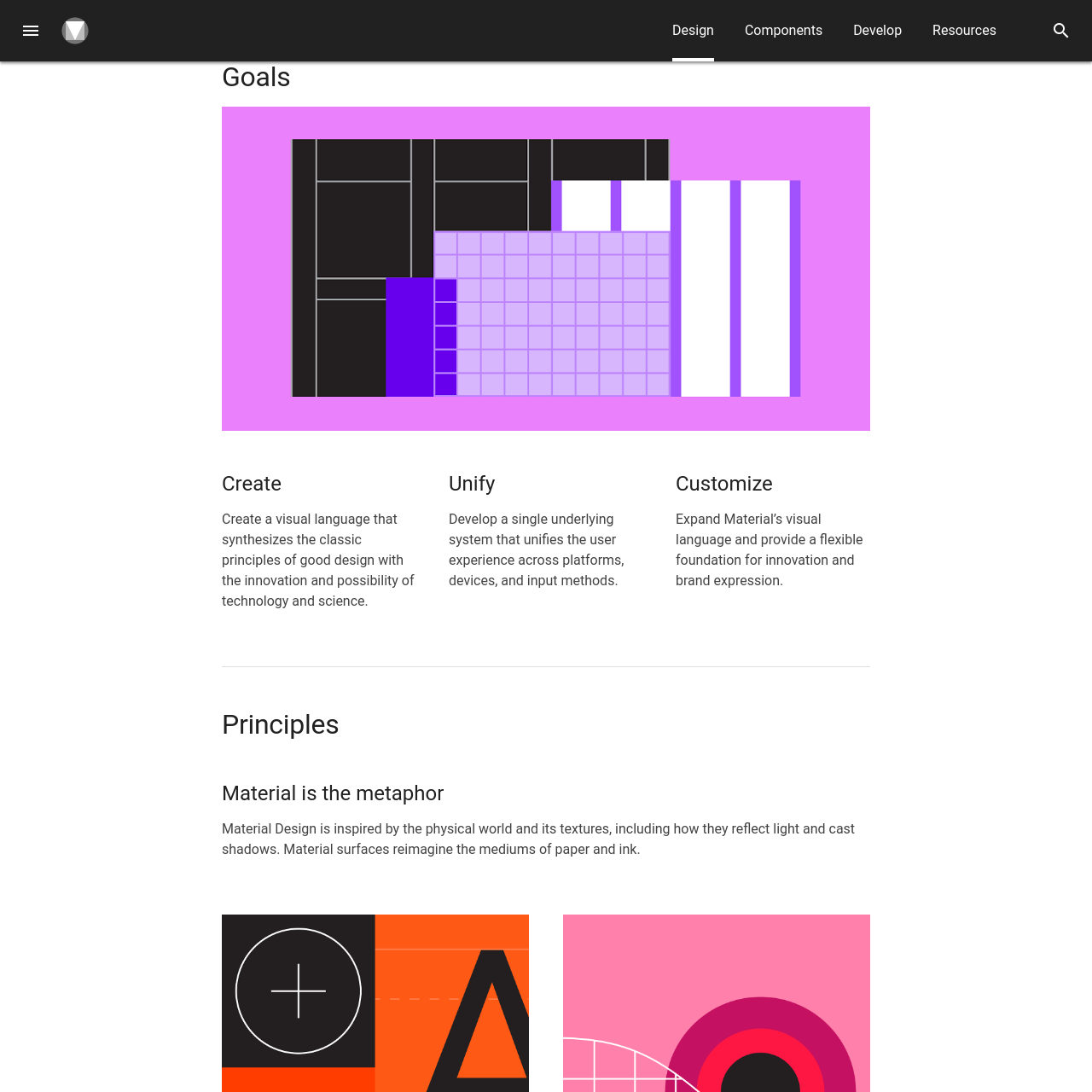
One of the quietest shifts in the history of the profession: design stops being an act and becomes infrastructure. The specification of components turns out to matter more than the components themselves. This chapter is about the era in which almost all the design systems our interviewees use in their work today were born.
Apple HIG
Between 2005 and 2007, Apple developed the Human Interface Guidelines (HIG) – one of the first fully articulated sets of design principles for a digital product. Three core ideas define its structure: clarity – every element should be clear, have a single function, and not compete for attention; deference – the interface should serve the content, not compete with it; depth – the visual hierarchy should show relationships, navigation, sequence.
It was a direct translation of Rams's principles into the digital realm. Ive openly says he was inspired by Rams's work at Braun. The HIG became not just a set of rules but a codification of a philosophy: how a designer should think about their work.
Material Design
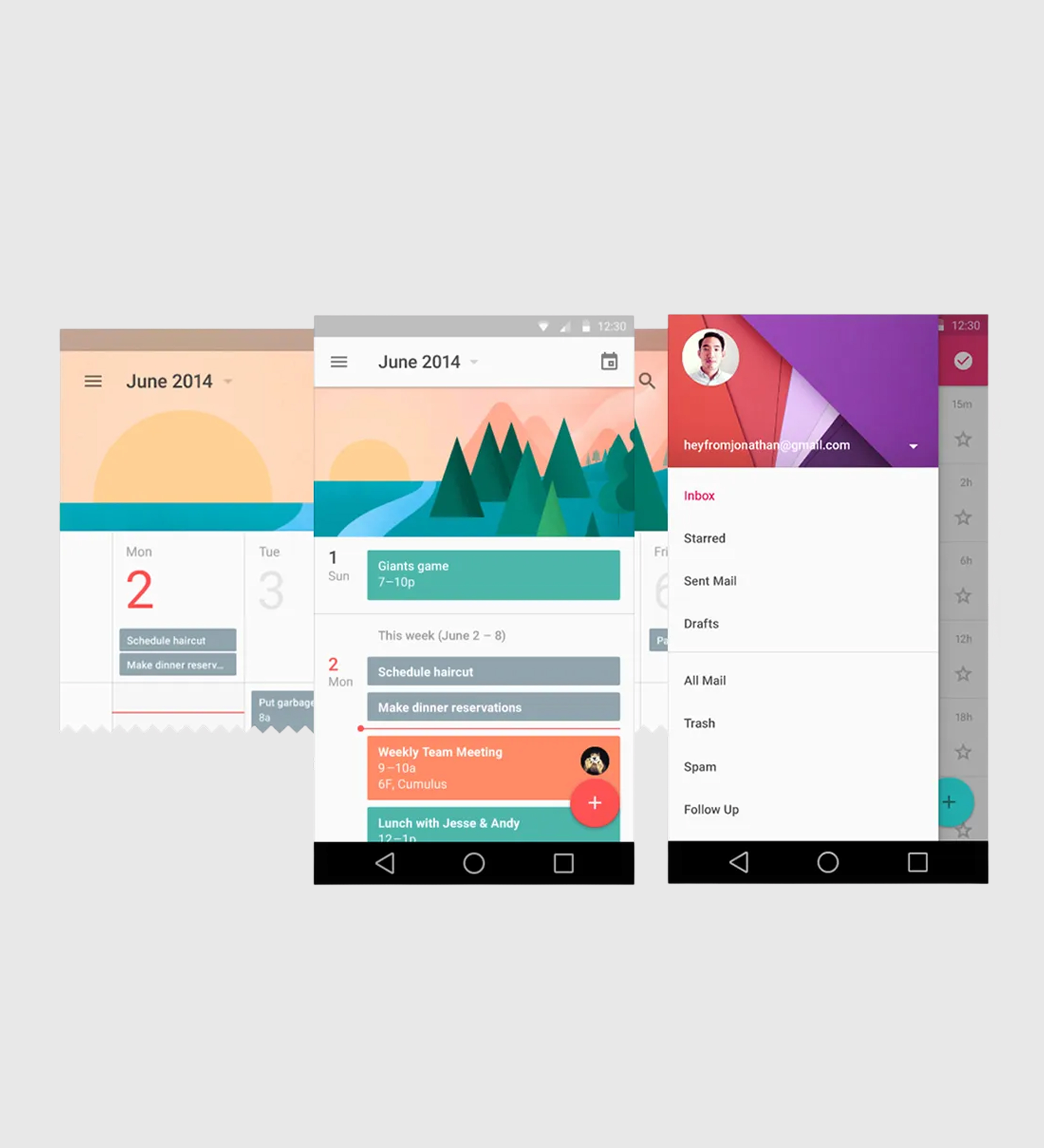
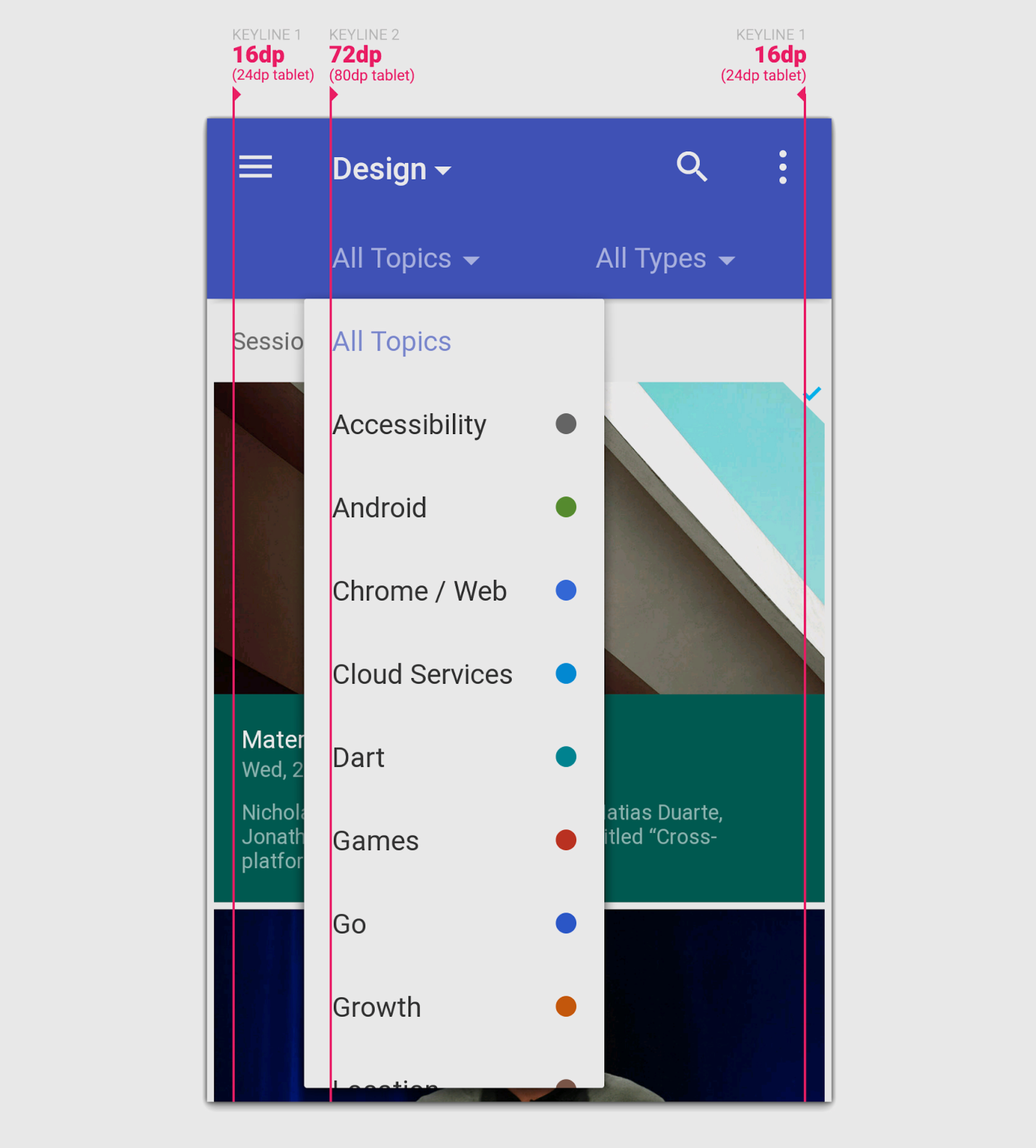
Material Design, introduced by Google at the I/O conference in 2014, is a paradigm shift for several reasons. First, it is not just a set of recommendations but a complete design philosophy, embodied in the metaphor of a material that has physical properties: surfaces, depth, motion, response to interaction.
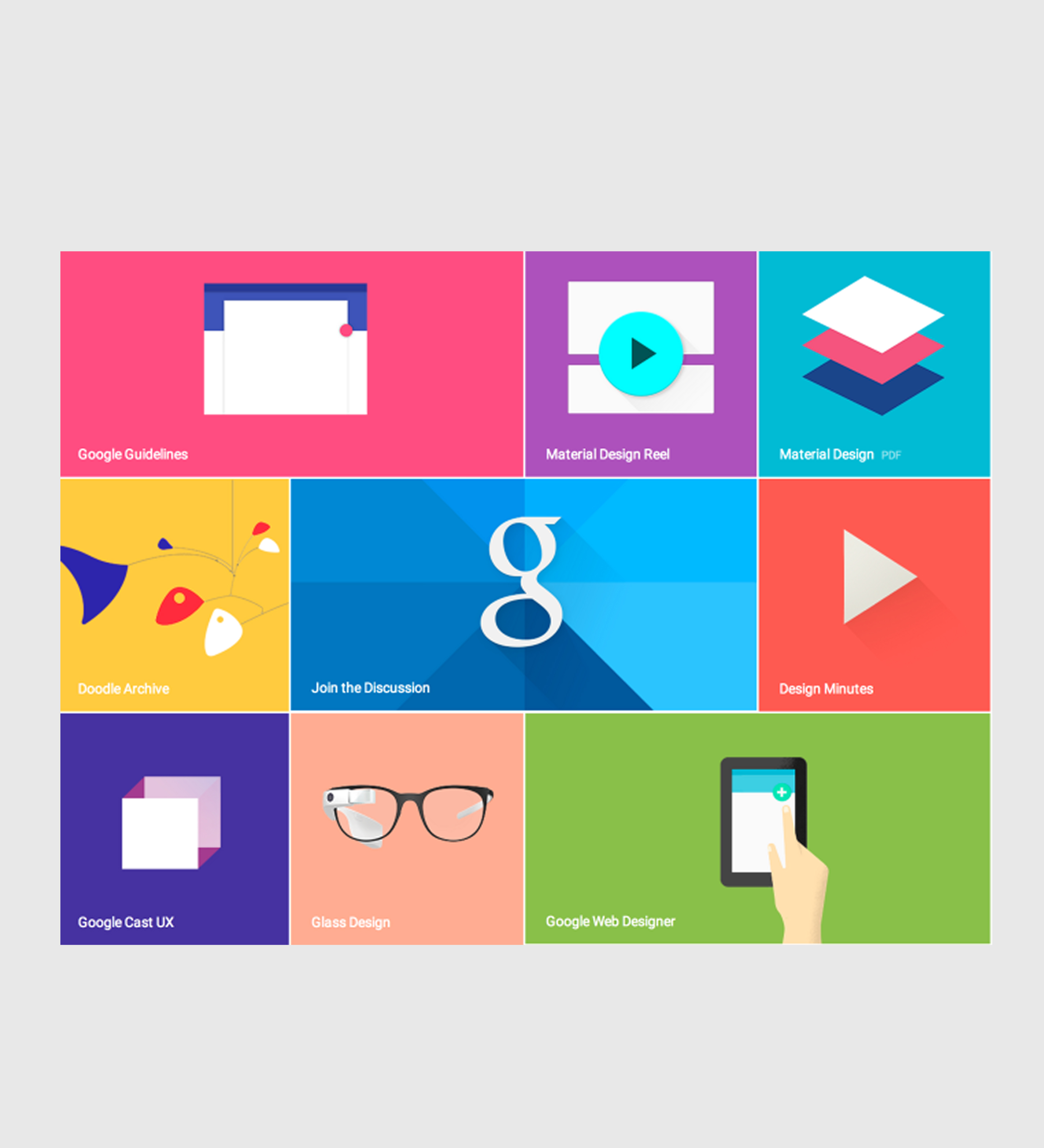
Second, it is a philosophy of openness: Material Design is publicly available. Google does not keep this system secret (unlike IBM, Apple, Braun). It publishes specifications, components, source code, tools. This is infrastructure that any developer can use.
The methodology of design becomes common property.
Design systems become the norm
After Material Design, design systems cease to be the exception. Almost every significant company develops its own: Uber (Base Web), Shopify (Polaris), Microsoft (Fluent Design System), IBM (Carbon Design System) and dozens of others. This is not just technical convenience. The design system becomes a means of explicitly encoding cultural values.
Intercom's principles
For example, Intercom's Design Principles (public, 2018) state: connected modular systems matter; be deliberate by default, flexible in the details; follow the fundamentals; personal context (design reflects that there are people behind the content); outcomes matter – an artifact is not a file in Figma, it is what the user sees.
When Masha Chern talks about the TON rebrand, or Alexey Pyankov about the design DNA of Pragmatica, they draw on a language that took shape precisely then.
An artifact is not a file in Figma, it is what the user sees.
– deFindings