
From Skeuomorphism to Flat Design
When design first met the screen, it had neither a language nor conventions. These twenty years are the story of how a profession learned to speak to the user through a digital film, and how it passed through its own adolescence of excess and deception to arrive at maturity.
Skeuomorphism as cognitive aid
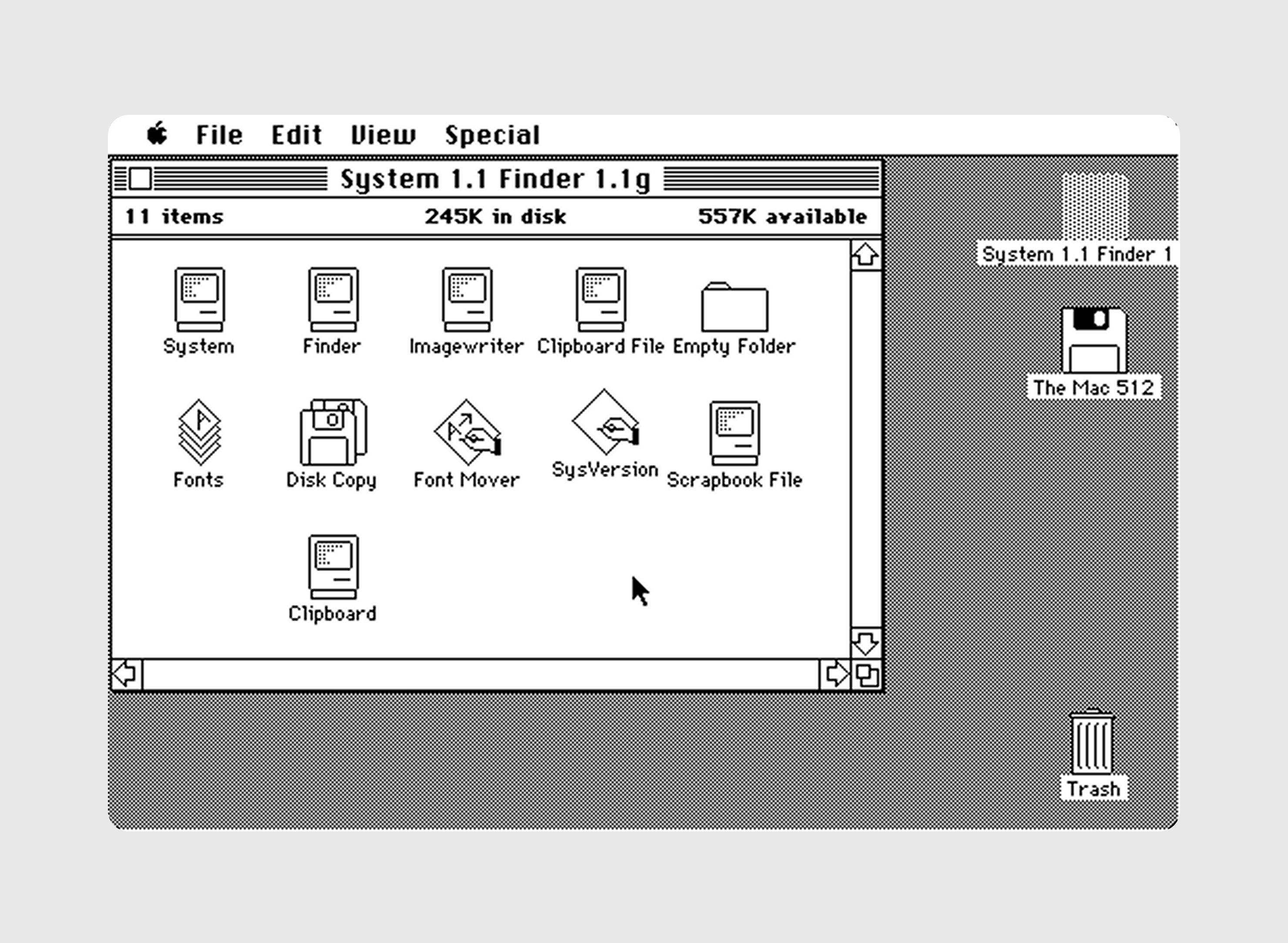
When computers and the internet reached mass users in 1995–2000, designers faced a radical problem: the interface was completely unfamiliar to most people. How do you help users grasp a logic that had no precedent in the physical world? The solution was logical and, in retrospect, conservative: skeuomorphism – the visual imitation of physical objects.
A folder looks like a folder. A trash can looks like a trash can. This was a cognitive aid: using the familiar to teach the unfamiliar.
Decay and UX
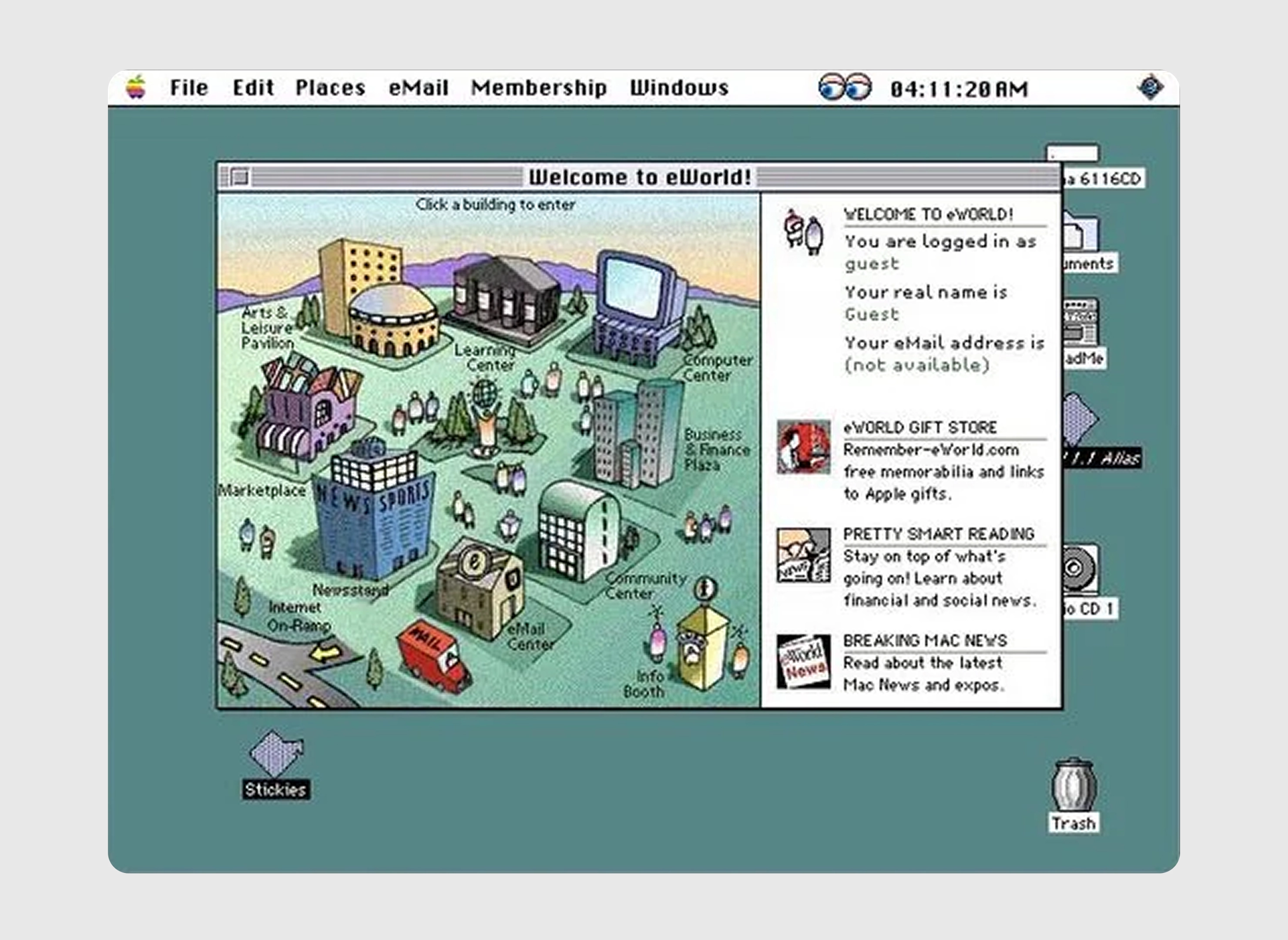
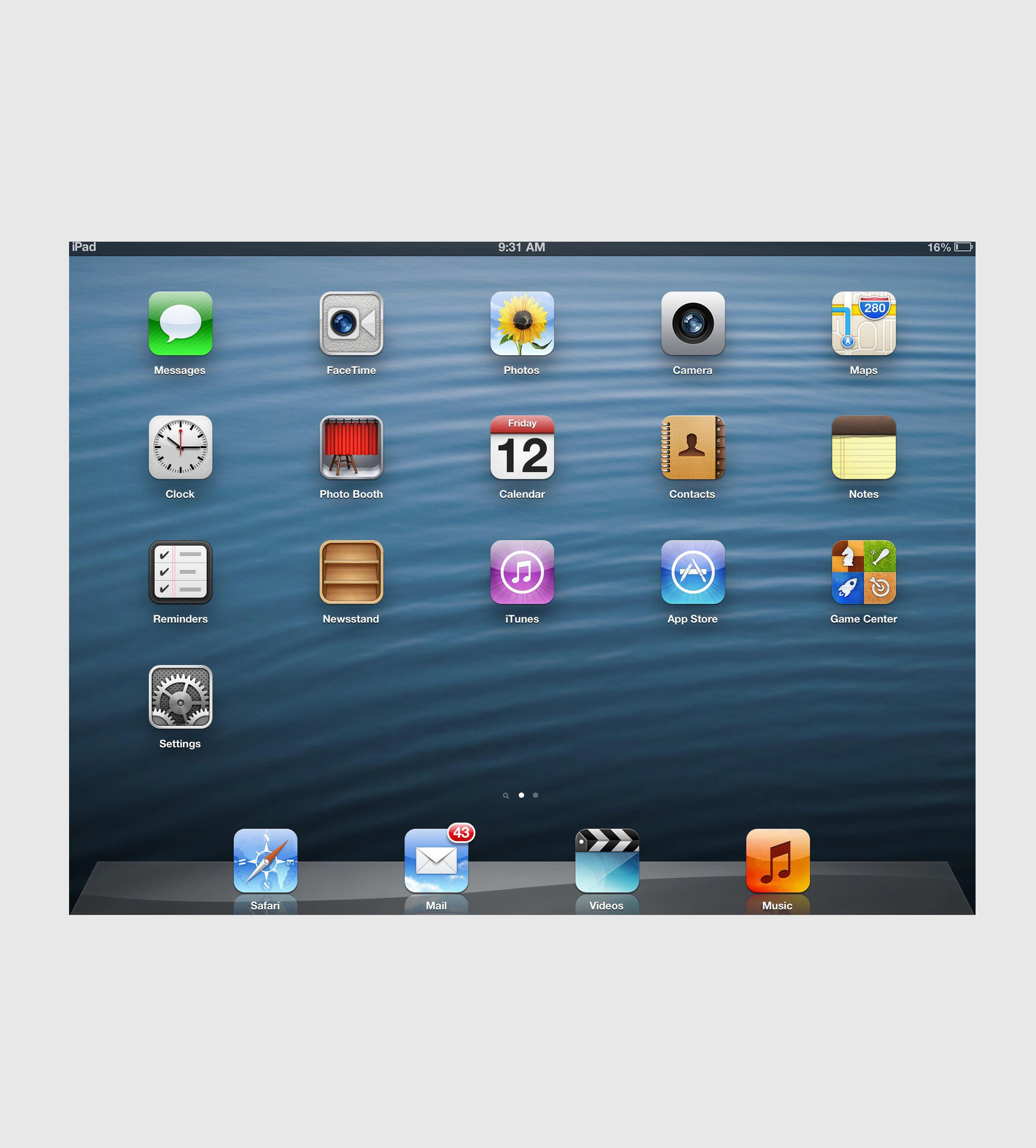
By the early 2000s, however, skeuomorphism had degraded. Every designer piled on textures, shadows, gradients and glints, imitating materials that made no sense in a digital medium. Interfaces became overloaded, slow and confusing. It was a period of devastation.
At the same time, systemic voices emerged that began to articulate a methodology. Donald Norman, a former head of design at Apple, introduced the term "User Experience" (UX) in 1993, redefining design as a multitude of interactions rather than a set of screens.
The battle for flatness
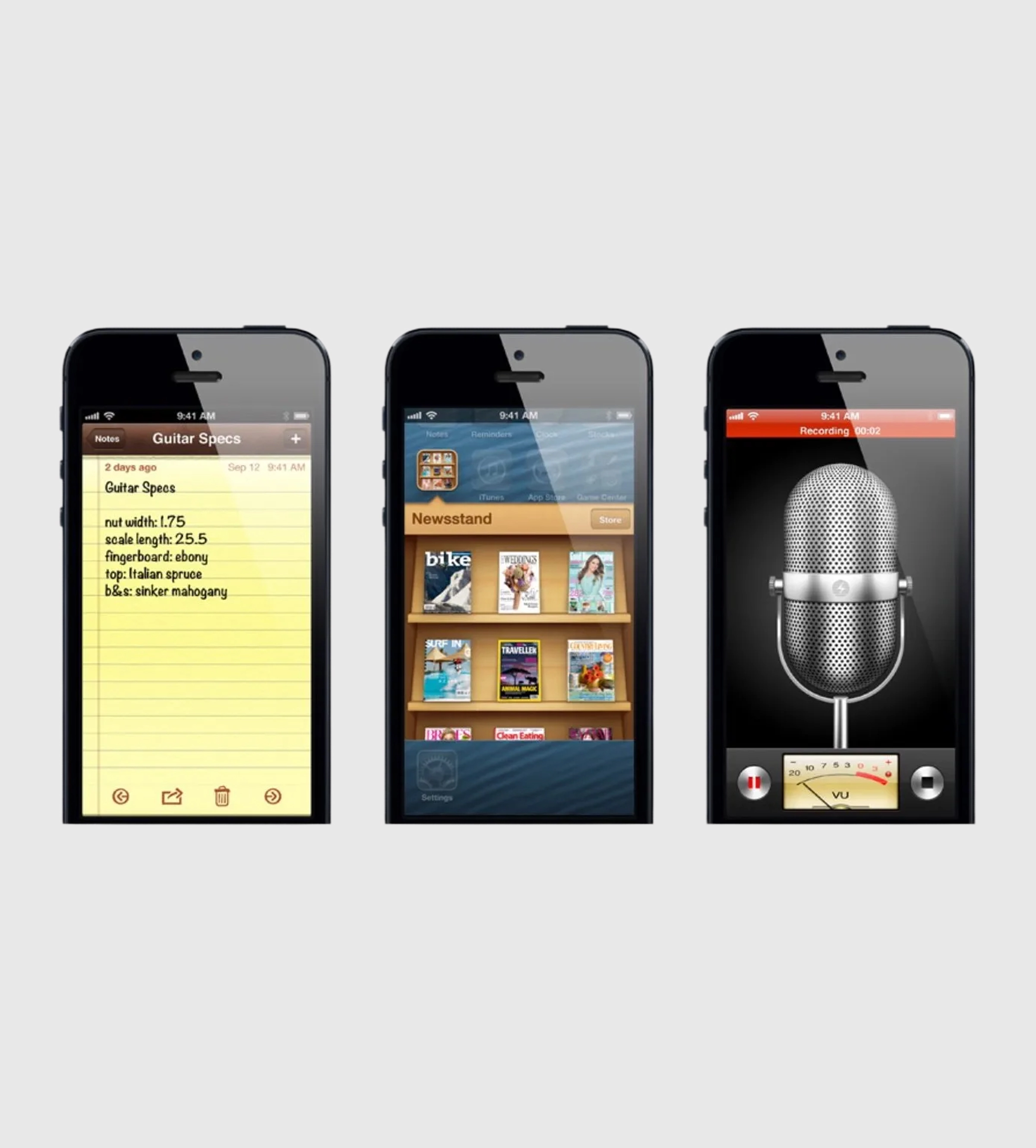
By the late 2000s, design culture had become openly politicized: a dispute arose over what honest design means in the digital realm. On one side, advocates of skeuomorphism, including Apple under Steve Jobs, argued that realistic interfaces were more intuitive. A button should look like a button you can press. Otherwise the user won't understand.
On the other side, the growing flat design movement argued that realism is an illusion and a deception. The digital should not pretend to be physical. It should be honest about its nature: this is a plane, these are signals, this is information.
The digital should not pretend to be physical. It should be honest about its nature.
iOS 7 and the return to Rams
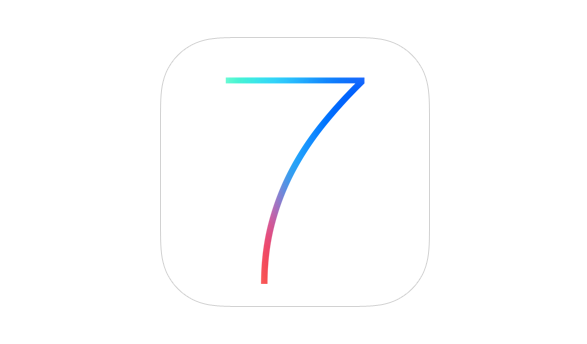
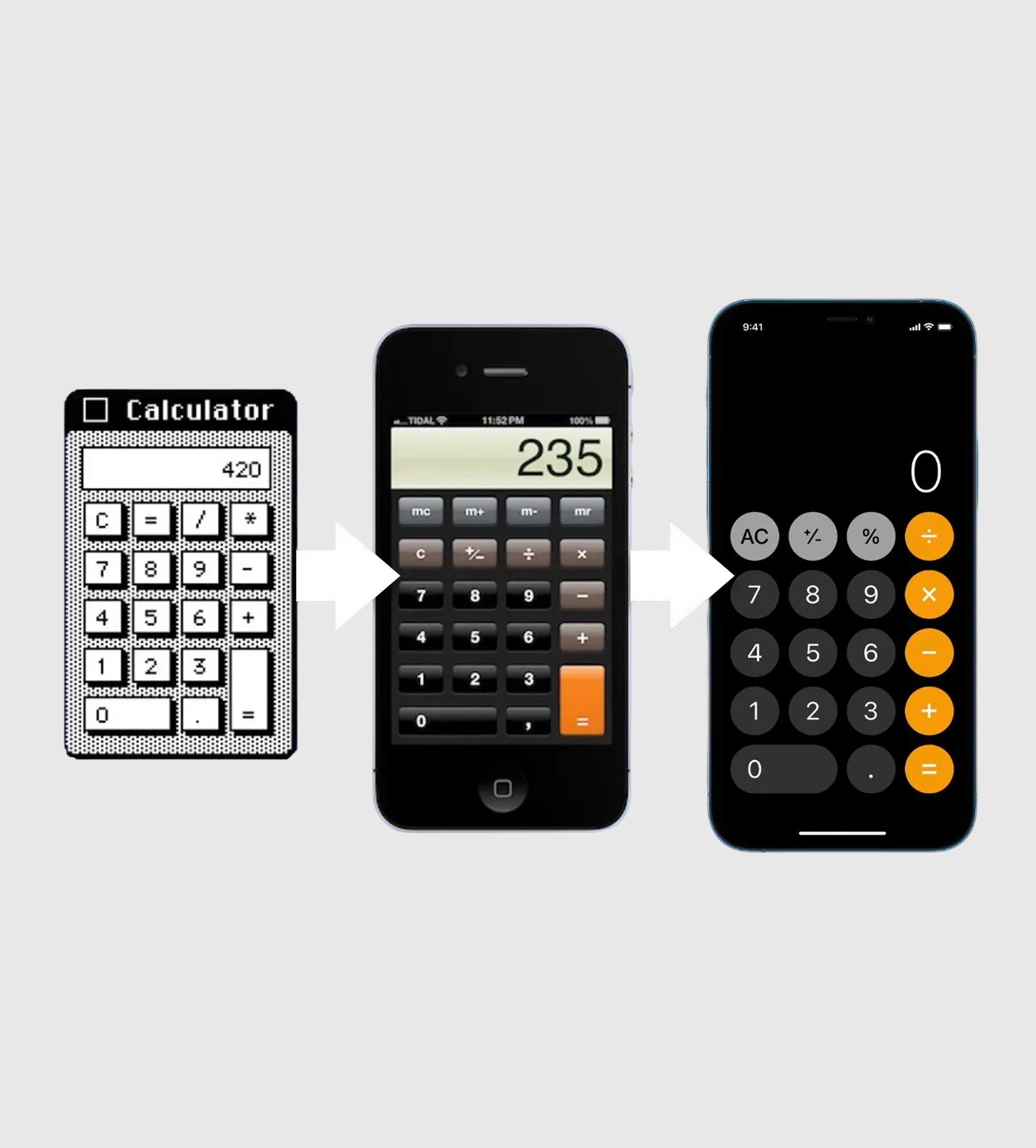
iOS 7 (2013), led by Jonathan Ive, became a turning point. Ive abandoned skeuomorphism in favor of an approach proposed by his colleague Craig Federighi, developing flat design with depth – a flat aesthetic, but with hierarchy, motion and transparency.
Ive said: "I think there is a profound and enduring beauty in simplicity, in clarity, in efficiency." It was a return to Rams: honesty of material (the digital is not physical), clarity of function (every element serves a task), minimalism (only what is necessary).
When one of deFindings' heroes today discusses the "honesty of an interface," AI-generated images, or the boundary between craft and automation – it is the same discussion. Just a different technological era.
I think there is a profound and enduring beauty in simplicity, in clarity, in efficiency.
– Jonathan Ive