
Architecture, the City and Graphic Language
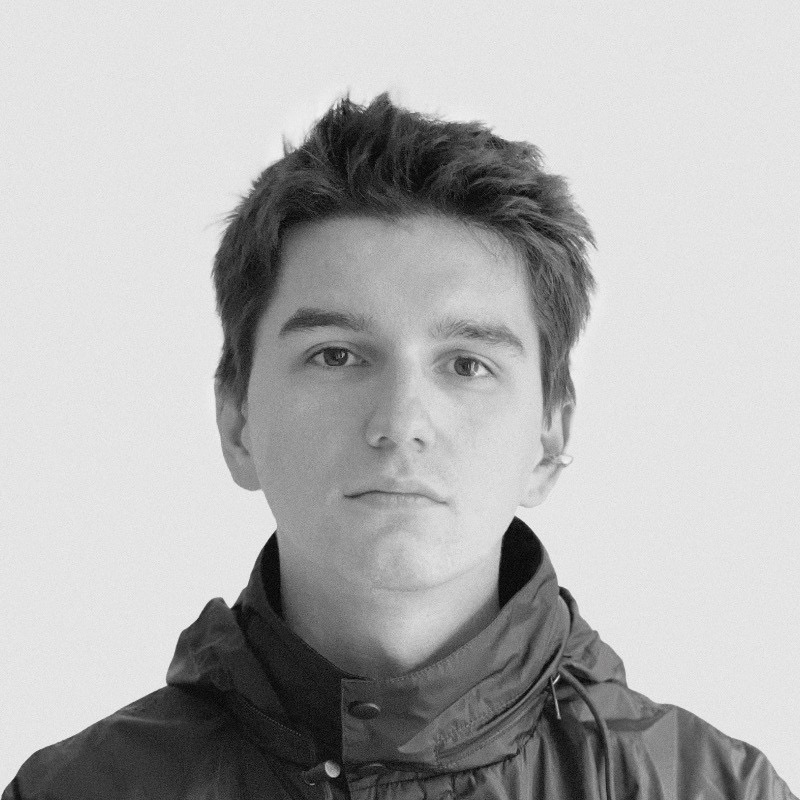
How do you define design culture for yourself? What does the concept include – principles, values, rituals within the team, an approach to decision-making, accountability – or something else?
Design culture is a broad topic. For me it lies in balance and honesty: with yourself, with those you design for, and with those who pay for it. Designers often design for themselves, sometimes only to please the business or the client, and sometimes think too much about what the community will say.
Culture is when every time you understand why you make a given decision, and consciously feel the point where the balance is struck. It doesn't have to be the coolest or the "disruptive" solution – it should be good enough, and in 99% of cases that's sufficient.
A bit about your path: how did you come to design and what do you do now? It would be interesting to hear about 1–3 projects that especially shaped your perception of the profession or your approach.
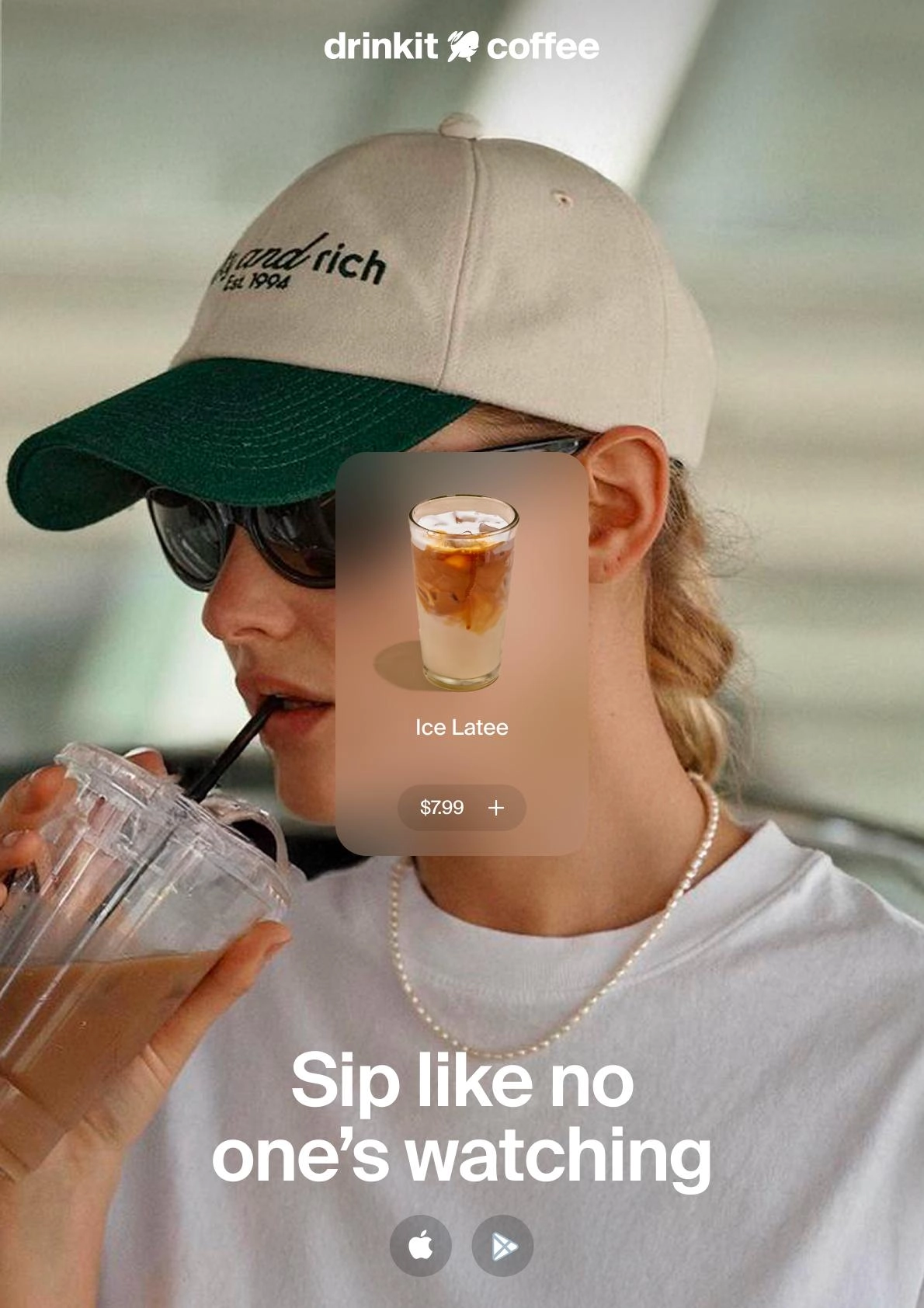
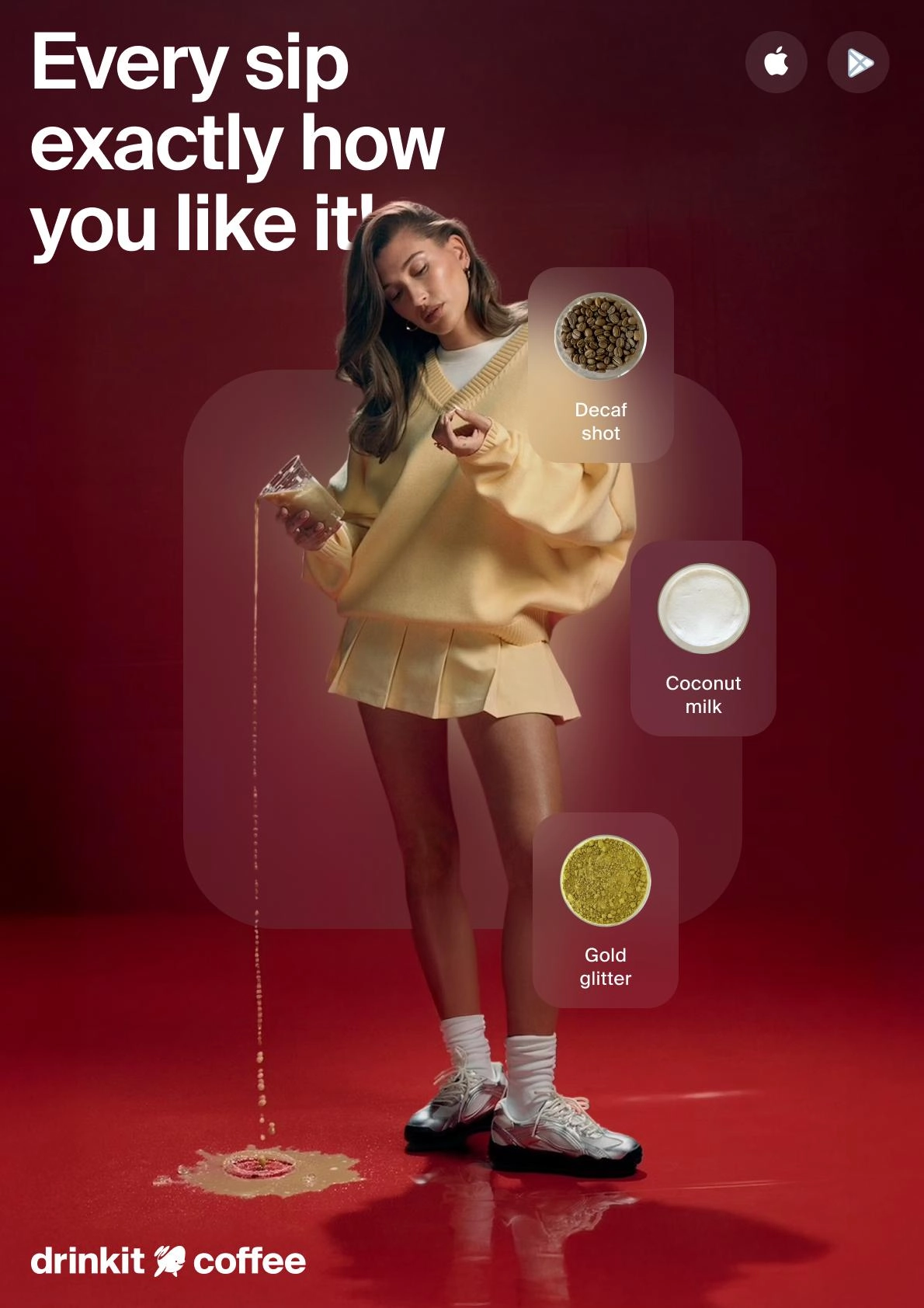
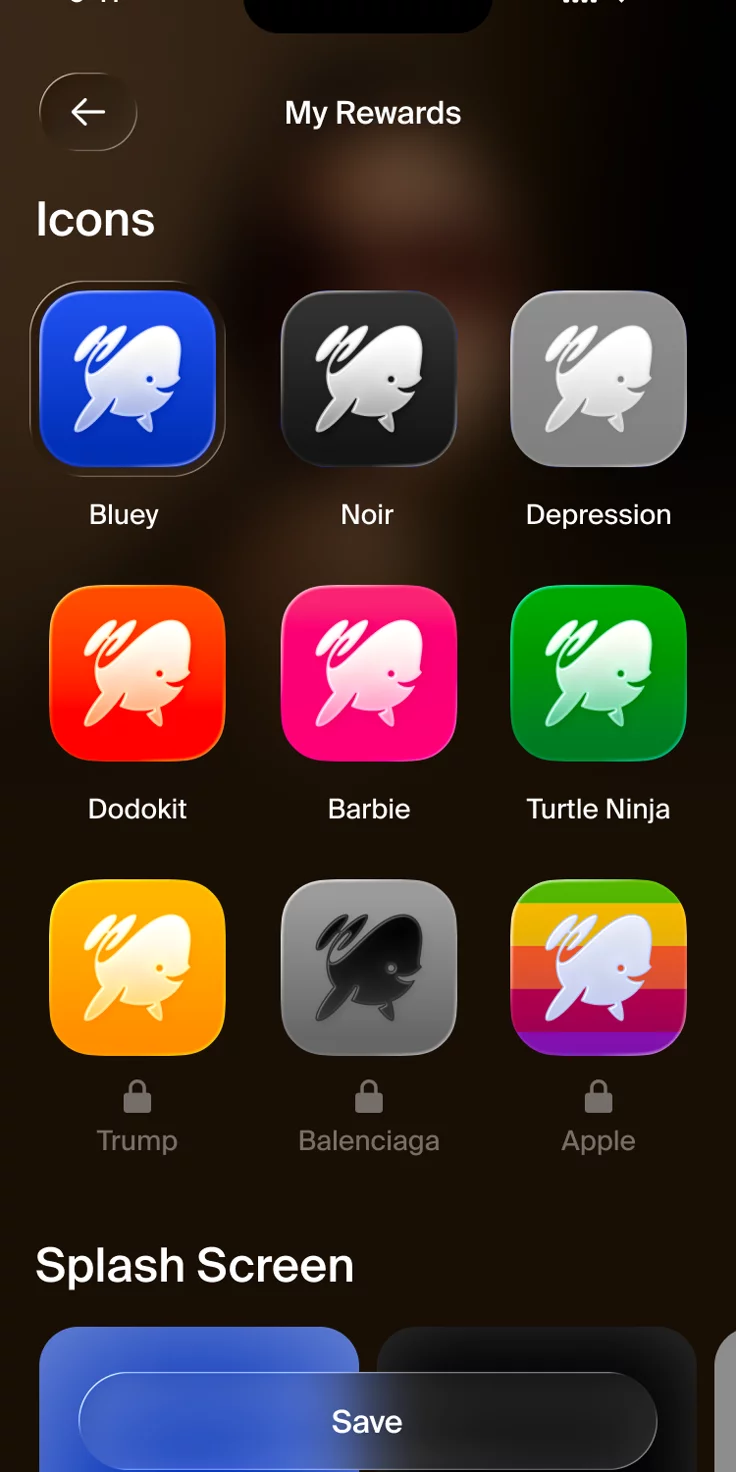
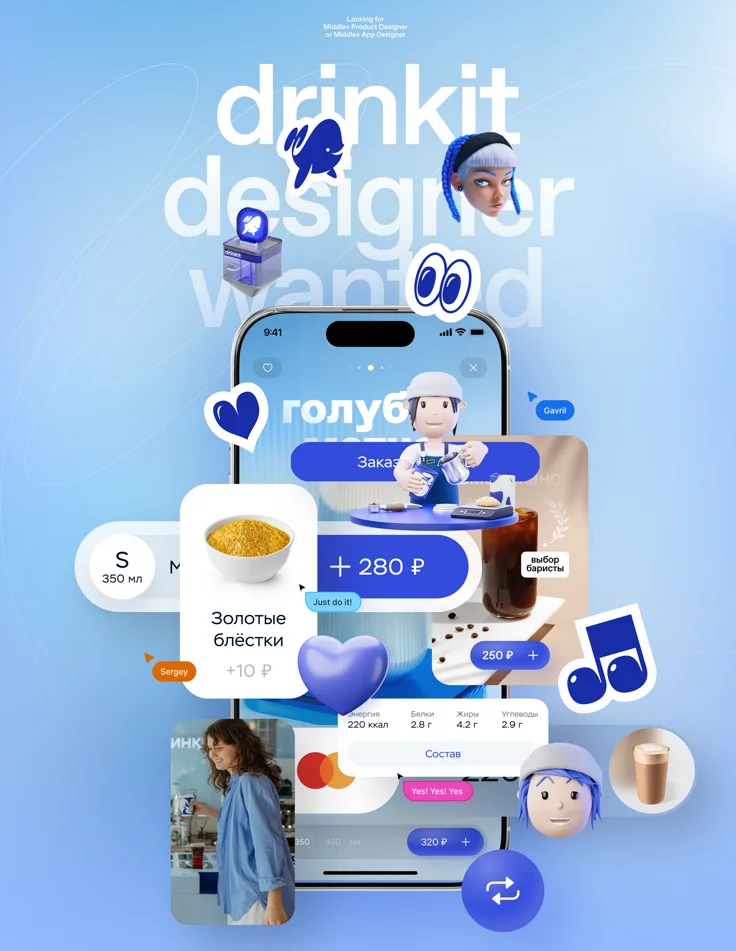
I came to design from fashion, but essentially since childhood I've liked systematizing things, making the ugly beautiful, building logic and hierarchy and subordinating everything to clear rules. Now I'm responsible for product design at the Drinkit coffee shop chain.
Any task or project – big or small – influences you. It's a gradual process: you keep learning something if you try new things even a little. Specific projects rarely influenced me – what influenced me was changing niches. For eight years I mostly built websites, then for almost two years I went into identity, then I focused on product. I did everything before too, but there are periods of intense focus – and those are when you grow the most. The range of solutions and ideas expands, your thinking gets broader and you feel more confident.
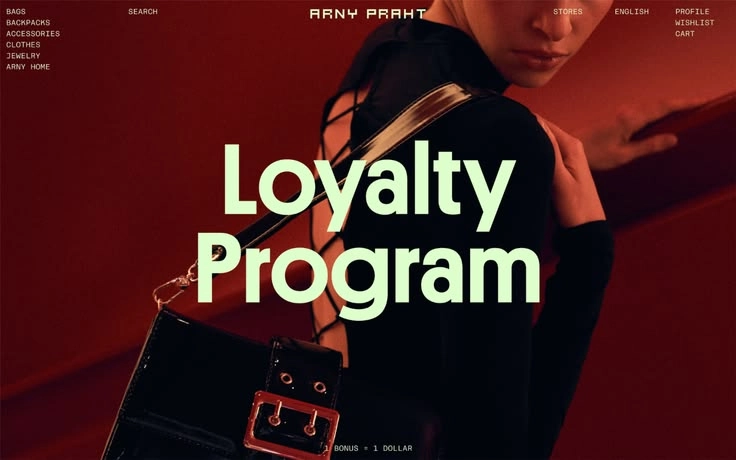
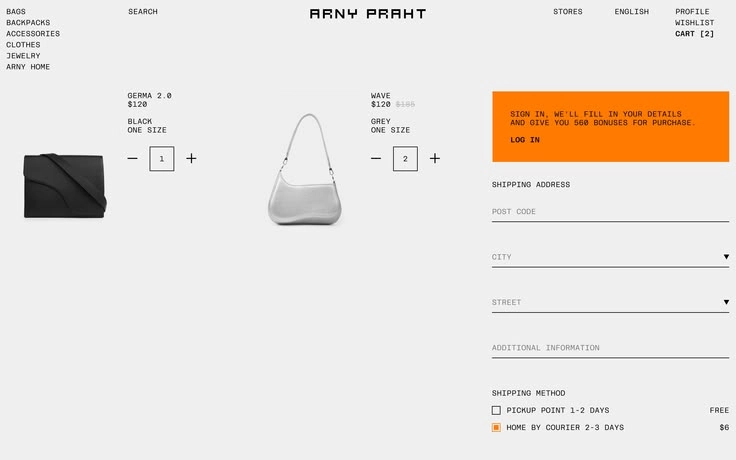
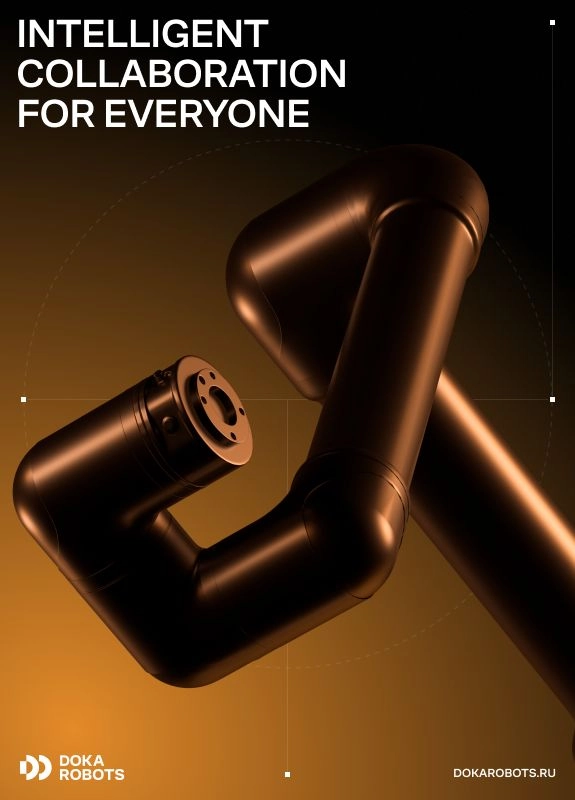
Which work practices or rituals stay constant? What sustains and inspires you the most? Is there a recurring pattern you notice?
I look at references every day. In every new task I try to try something new. I don't have a single piece of work I would copy one to one – I physically can't do the same thing I did before, I absolutely have to try doing something differently.
Yes, projects can be similar, but there is always something new in them, even if it's a small thing – a different margin, alignment, a typeface I haven't used before. I stay true to myself and to the expectations of the receiving side, but each time I try to bring in something new, and that gives me pleasure. That's what keeps my interest in the profession: inspiration from constantly looking at lots of work and the desire to try a new idea in my task or project.
There's one more important thing I put into the word "culture": the process must be sustainable. There's a challenge in it, a drive to do the best possible job, to learn new things, to grow. But it's important not to burn out either yourself or the team, not to chase false goals, to finish tasks on time and to keep all promises – to yourself, to the team, to the client / business.
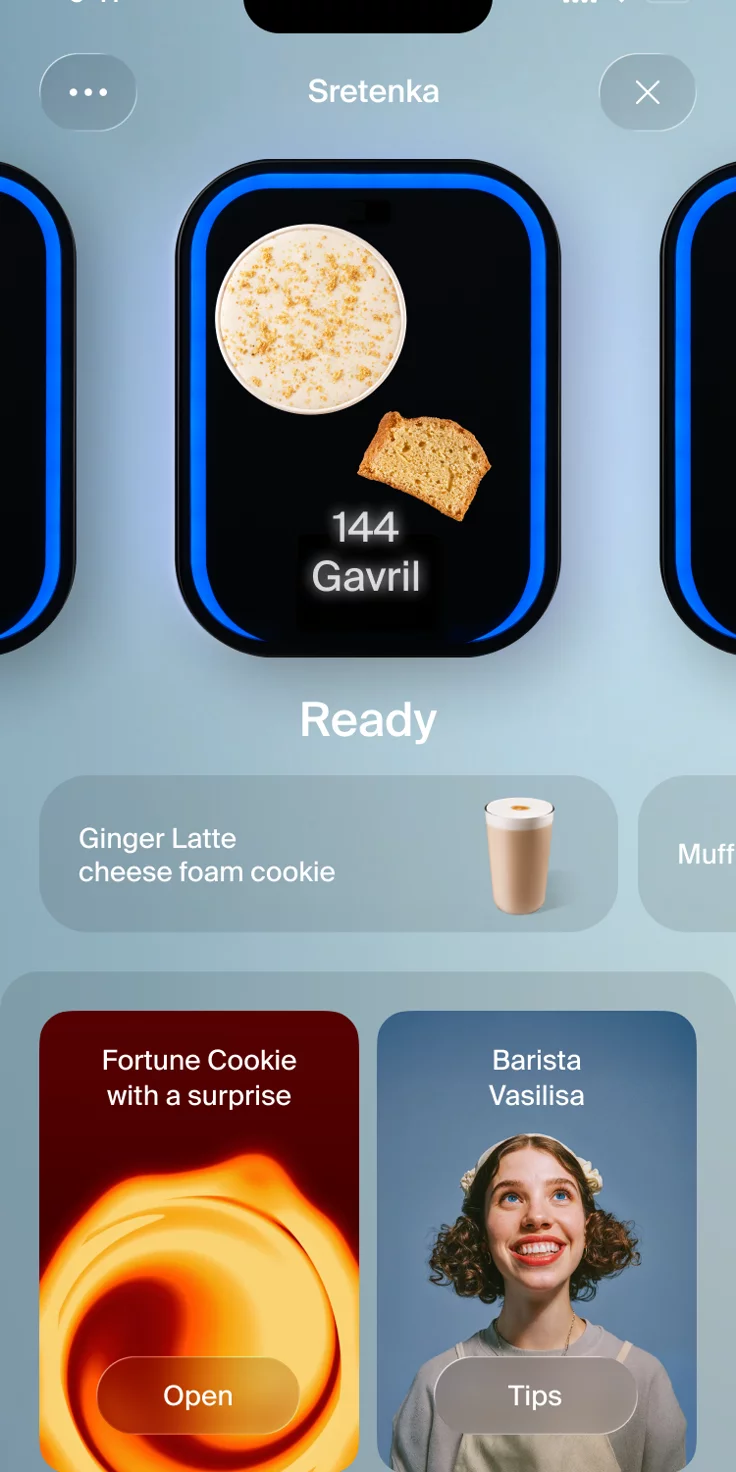
Tell us about your current work experience and processes at Drinkit. How do you translate values into design decisions? What do you rely on first, and what stays secondary? Is the focus on vision and the big idea, benefit to others, ethics, metrics or something else? You could illustrate this with one small case: how you approached the task, what was the priority and what you deliberately left out of scope.
Everything matters – really everything. For the business it's important that teams are efficient and design brings in money. For the product it's important that features improve metrics. For engineering it's important to close tasks quickly and release often.
And for a designer everything matters at once: both how it looks and how it works. That's the surface level. In reality a designer even influences the product's relationship with the c-level: the speed and quality of design decisions directly affect metrics, team morale, pace and productivity.
There are a lot of subtle matters. Sometimes design itself is secondary. What comes first is your understanding of context: when to be fast, when to be proactive, when to generate features, and when, conversely, to retreat into concepts. Where to push and where to let go. There are plenty of ways to influence things – to make them worse as well as better. It's much more than just design mockups.
In the team – what do you articulate as quality?
Quality is extremely subjective. Everyone on the team has their own bar. And any quality has gradations.
For me, quality is when we shipped a solution that really solved the problem (improved, fixed or changed what was needed), did it as fast as possible, and nobody got hurt along the way.
I don't see much point in "perfect" solutions polished to the last pixel that take tens or hundreds of hours. Most often that gives little. I choose speed and the number of validated hypotheses.
Craft and technology (AI) – do you see a conflict between these notions, or do they reinforce each other?
Honestly, I'm tired of how people fear, condemn or resist AI. After the arrival of computers, the internet and mobile phones, it's the most important thing that has happened to us.
I see zero negatives in AI, other than the name "AI" itself – it's not artificial intelligence but trained models. They don't think, they have no consciousness. It's just that the term "Machine Learning" would apparently have been harder to sell to the masses.
AI removes routine, cuts the time spent on standard tasks and makes life easier. That means people who work with their heads, not exclusively with their hands, will be fine. An artist, photographer, designer, developer, writer – any talented person who adapts, learns and stays relevant won't lose anything. On the contrary – they'll gain.