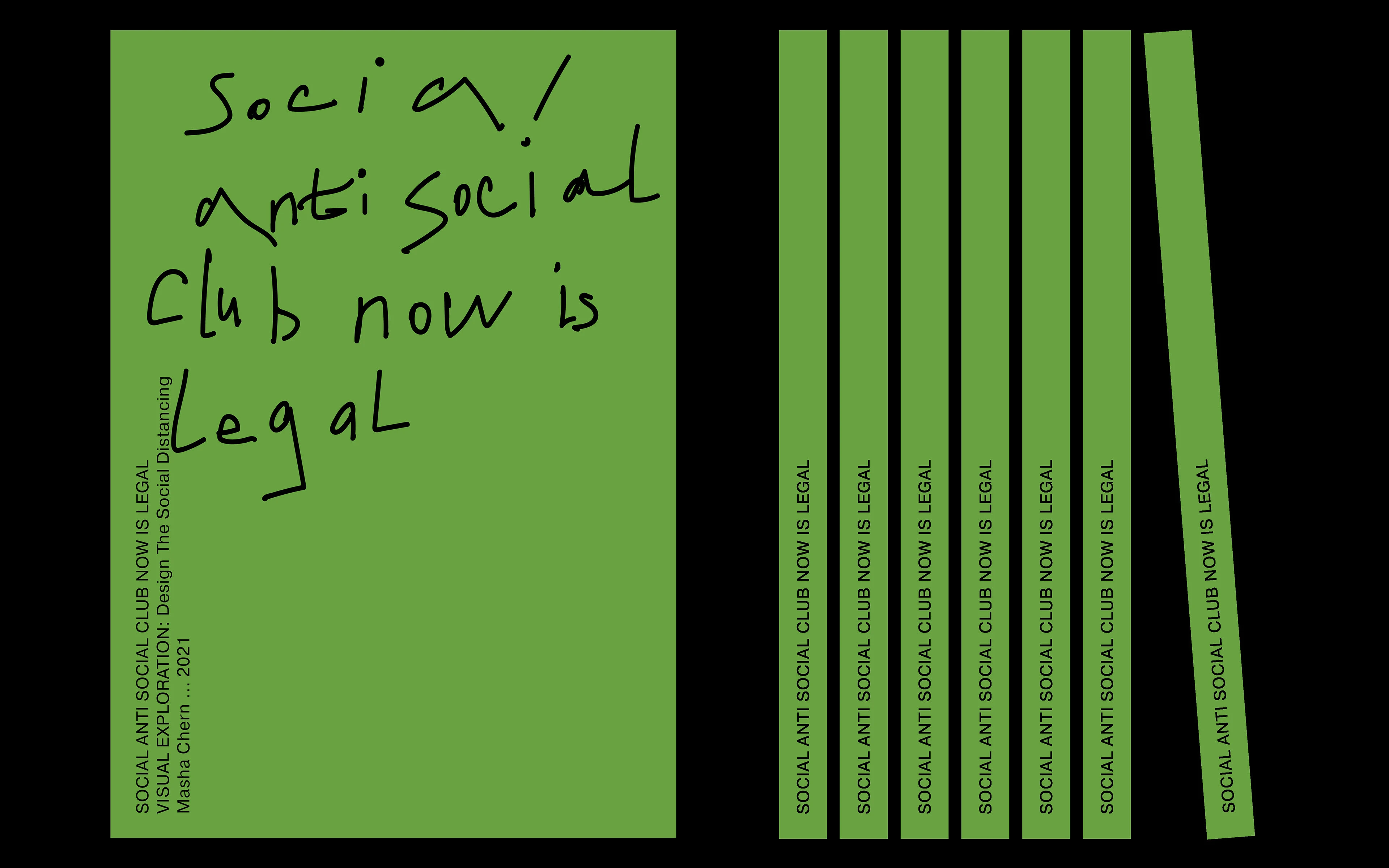
From solo work to collaboration, and caution with generative visuals
What does design culture mean to you: which principles, values, approach to work?
That is a tough question. I don’t know. Everything changes very quickly for me. My attitude toward anything, and toward design especially, because I do it every day. There are so many things that attract me or, the other way around, don’t. And that keeps changing. Sometimes the ones I liked become the ones I don’t, and the ones I didn’t like become the ones I do.
Right now, for me it is more about collaboration. Specifically right now. And that has changed a lot, because before, my value in design was that I could do everything myself from zero to the end. That changed a lot after I finished university. Now, on the contrary, it is only about working together.
I learned to work with other people. And it seems to me that the main value of design for me now is that you can constantly make something together with someone. And it gives a better result than when you do it alone.
It’s great what you say about collaboration, and I think I agree. At some point I was probably focused on drawing myself, coming up with things myself. But it seems important to step outside that field of self. Great ideas appear in the process of working with other people.
Tell us a bit about your path: why did you go into design in the first place?
I got into design by a very happy accident. I was a mess after school. A friend told me that HSE Communication Design was admitting students in Saint Petersburg for the first time: “Masha, this is for you, it will definitely suit you.” I didn’t know anything about HSE at the time, and I didn’t know it had communication design or that they were opening in Petersburg for the first time. And I got in.
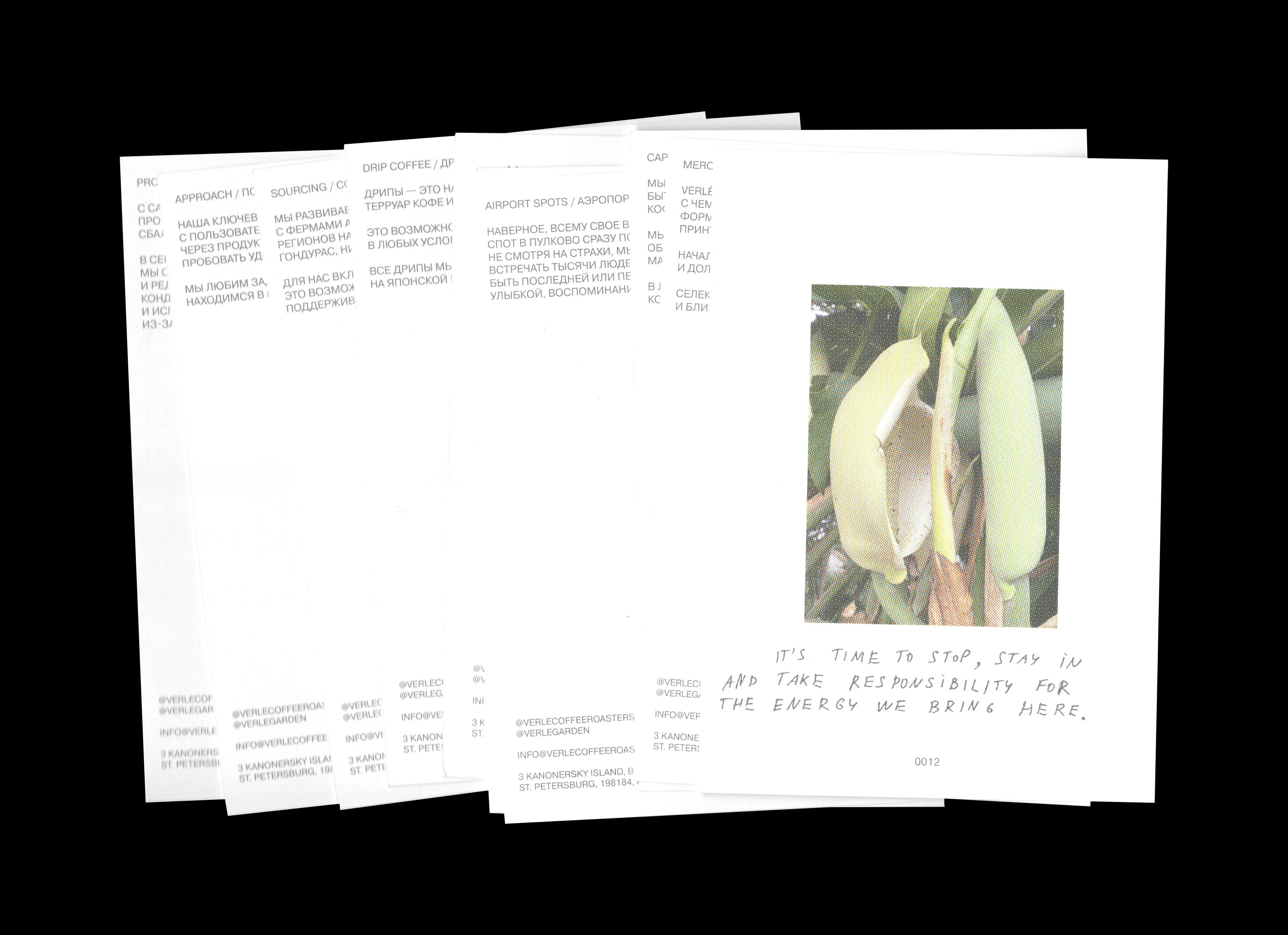
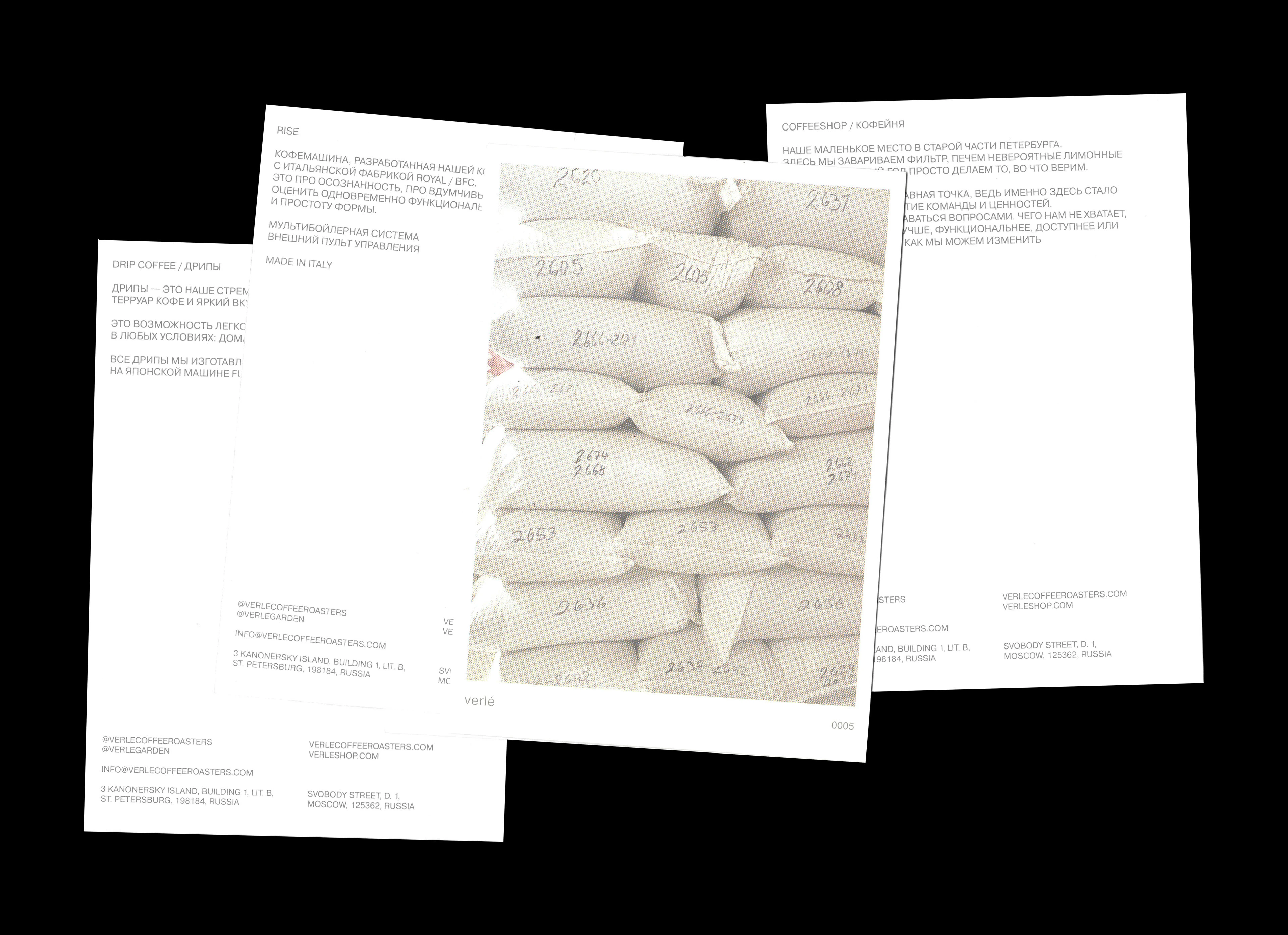
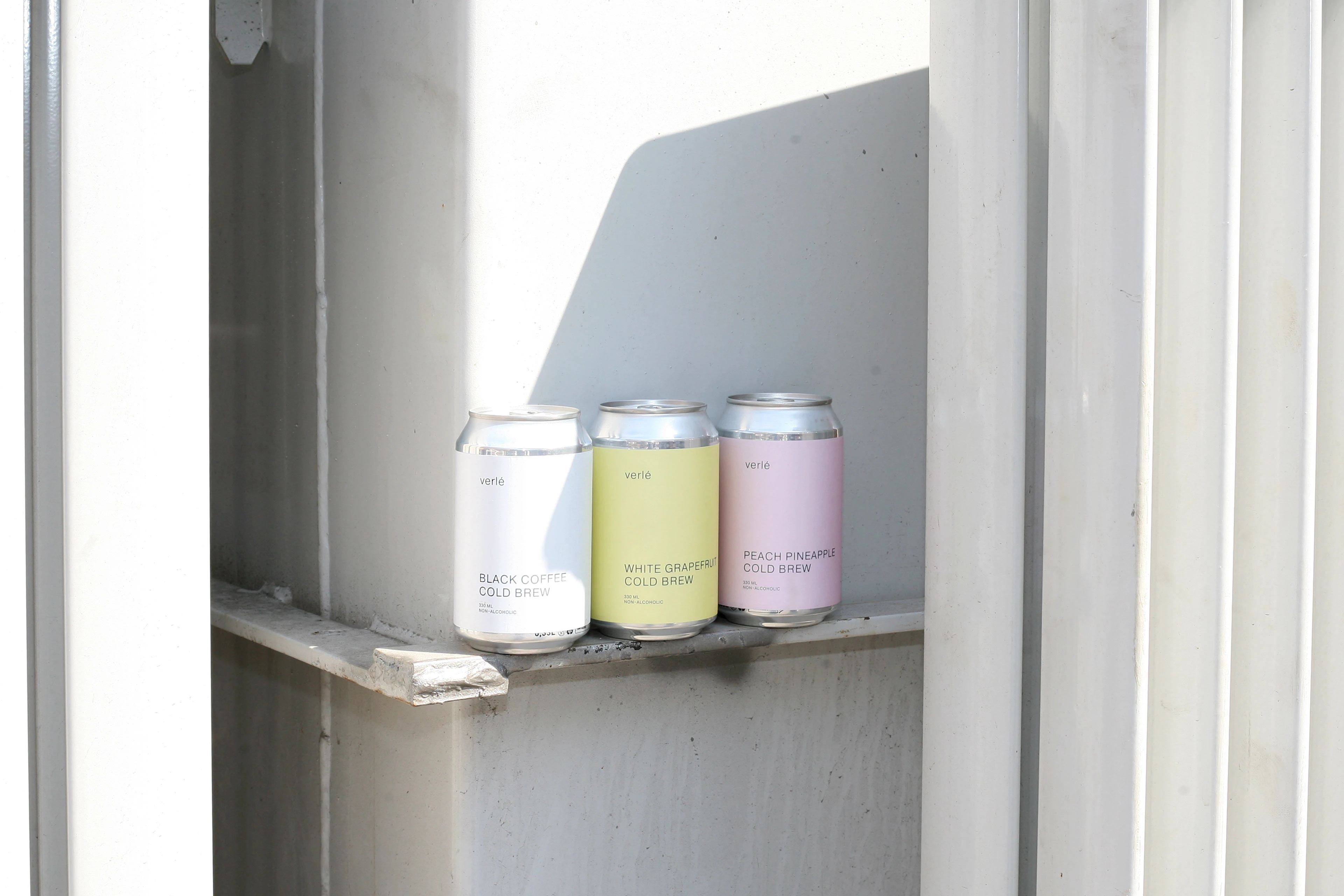
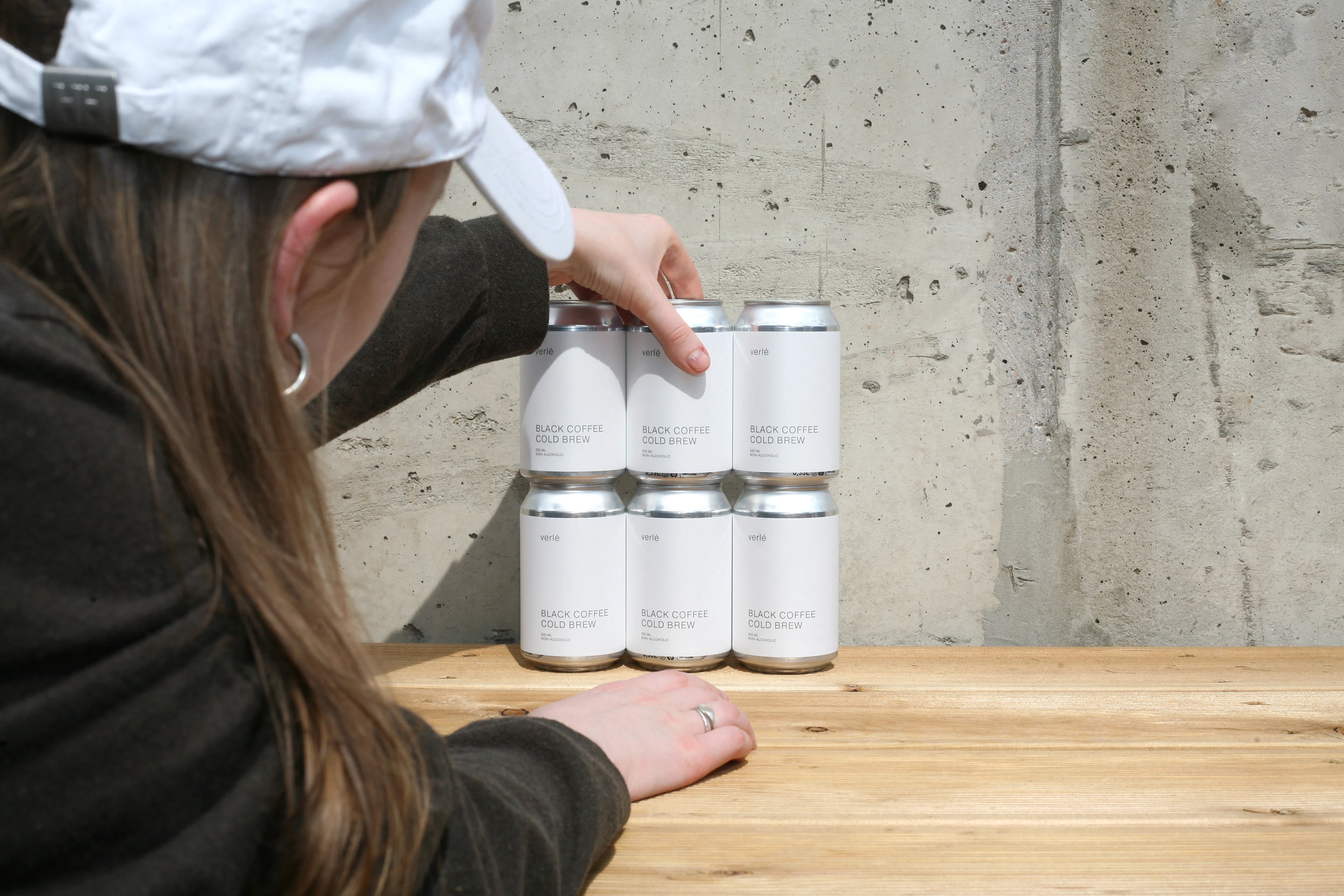
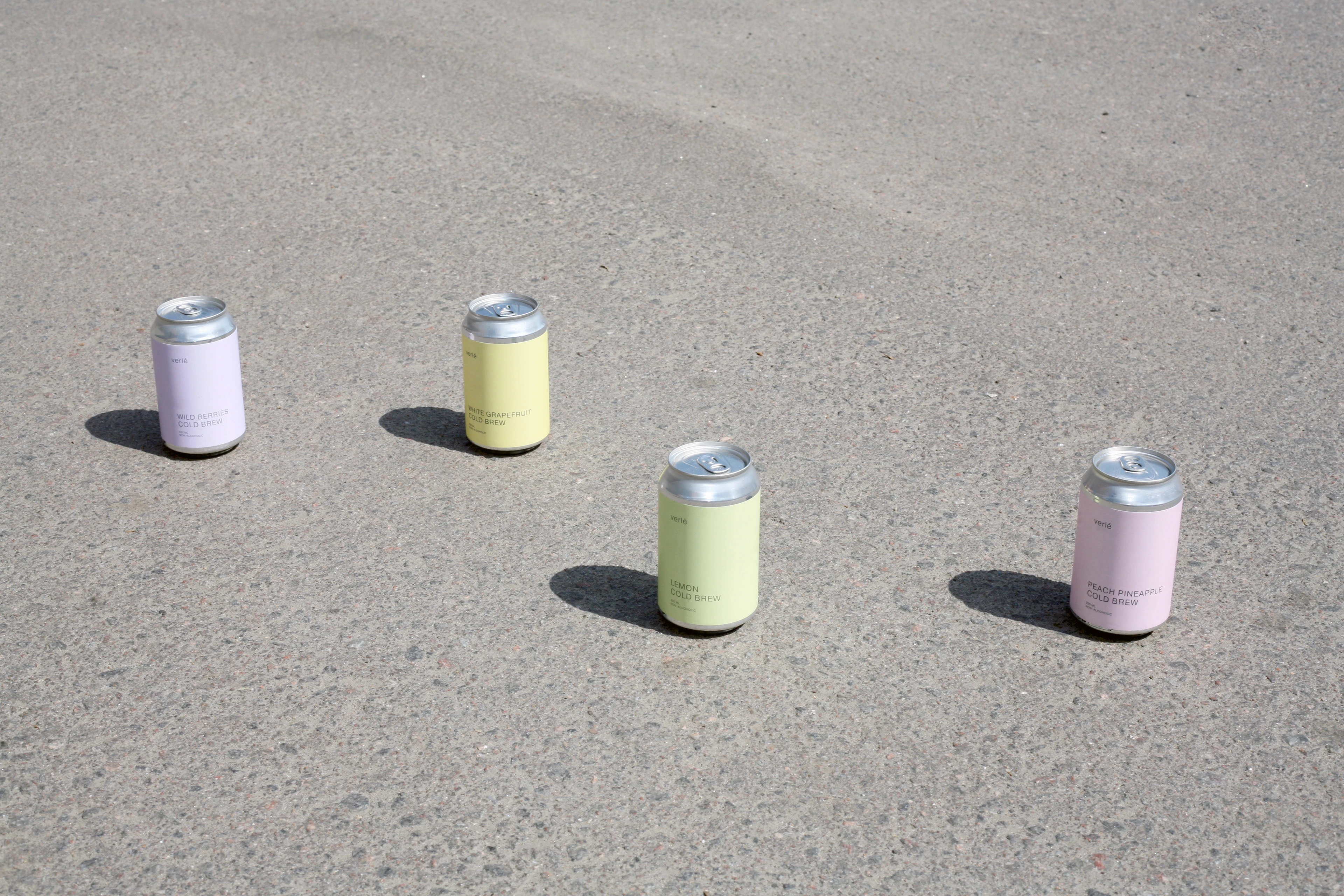
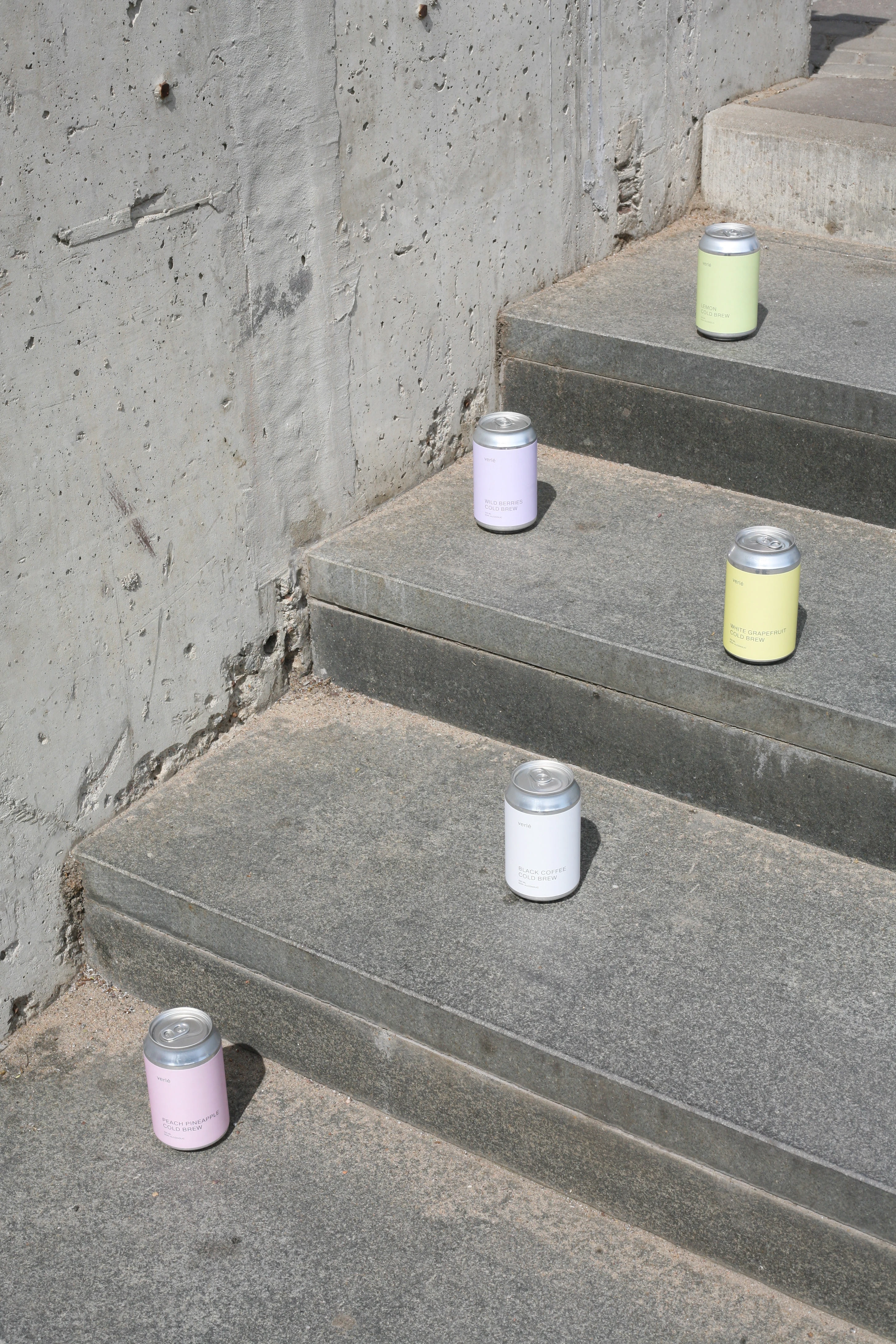
Then a very interesting life began for me. I started late, I was already twenty, maybe twenty-one. I had a completely different attitude toward studying than if I had enrolled at seventeen or eighteen. Everything somehow spun up very fast. Already in my second year I was working at Verle. It was actually quite long: I worked there for two and a half years, and we made a lot of super cool projects there.
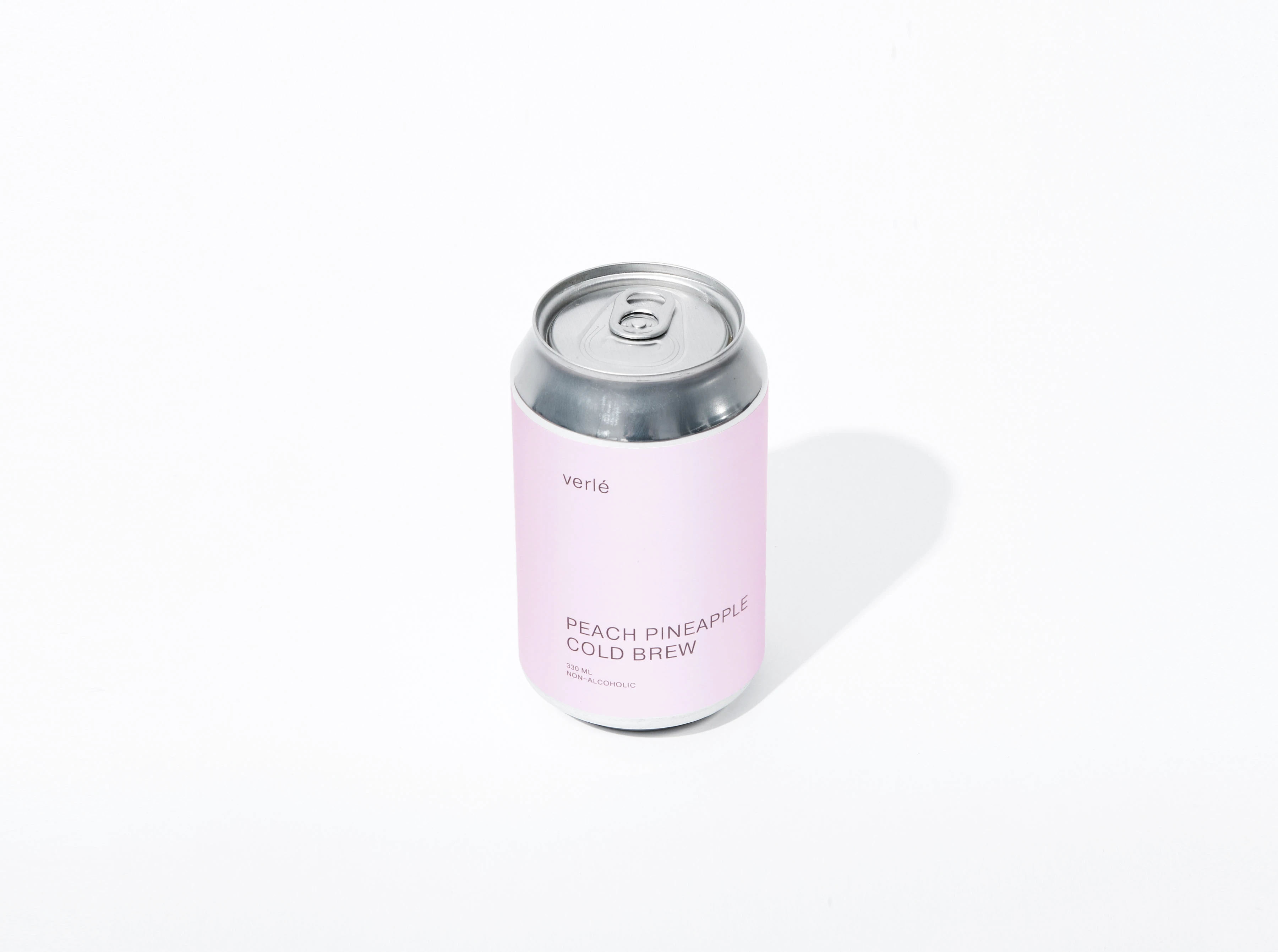
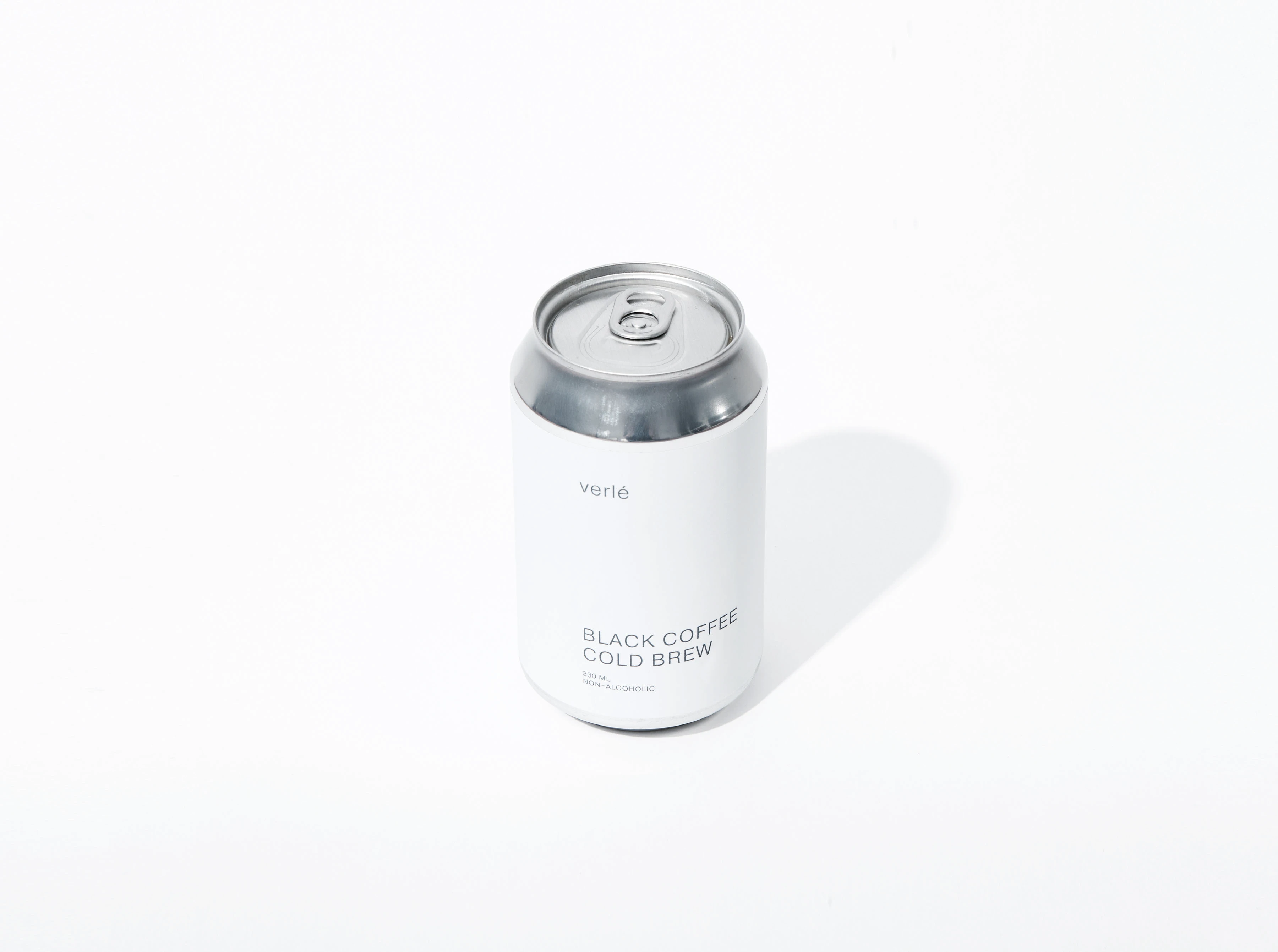
The main thing I learned there is how to work. Because the team was small, they would just tell me, “So, you’re doing all of this.” It sounds a bit strange to me now, but back then I kind of wanted it. I had a lot of freedom and responsibility.
There was also an approach that, roughly speaking, if you don’t know how to do something, okay, sit down and do it anyway. Now I can’t imagine that in any large modern companies, including the ones I work in. But there, that was exactly the approach.
That’s how we did a project for Expo.
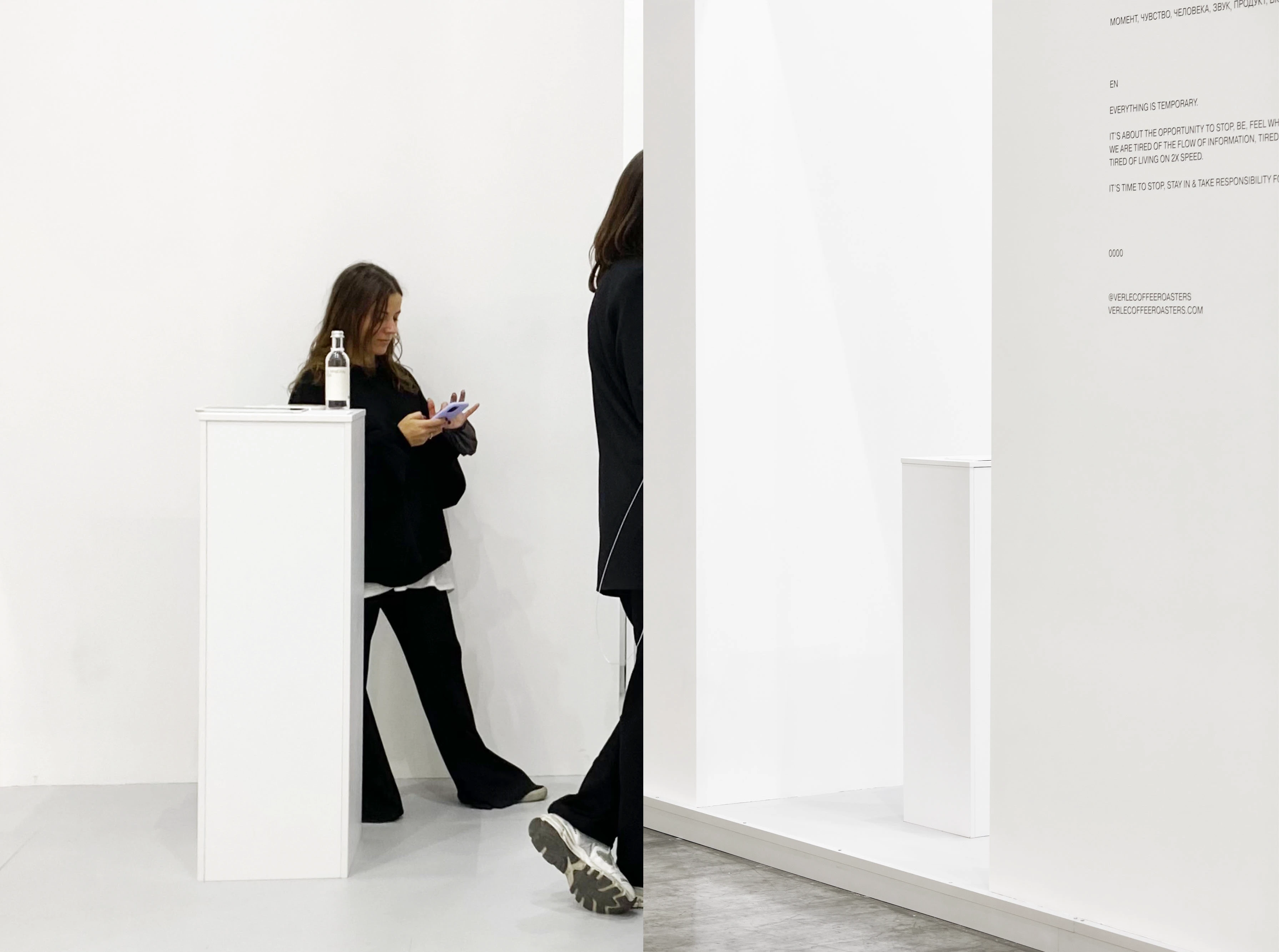
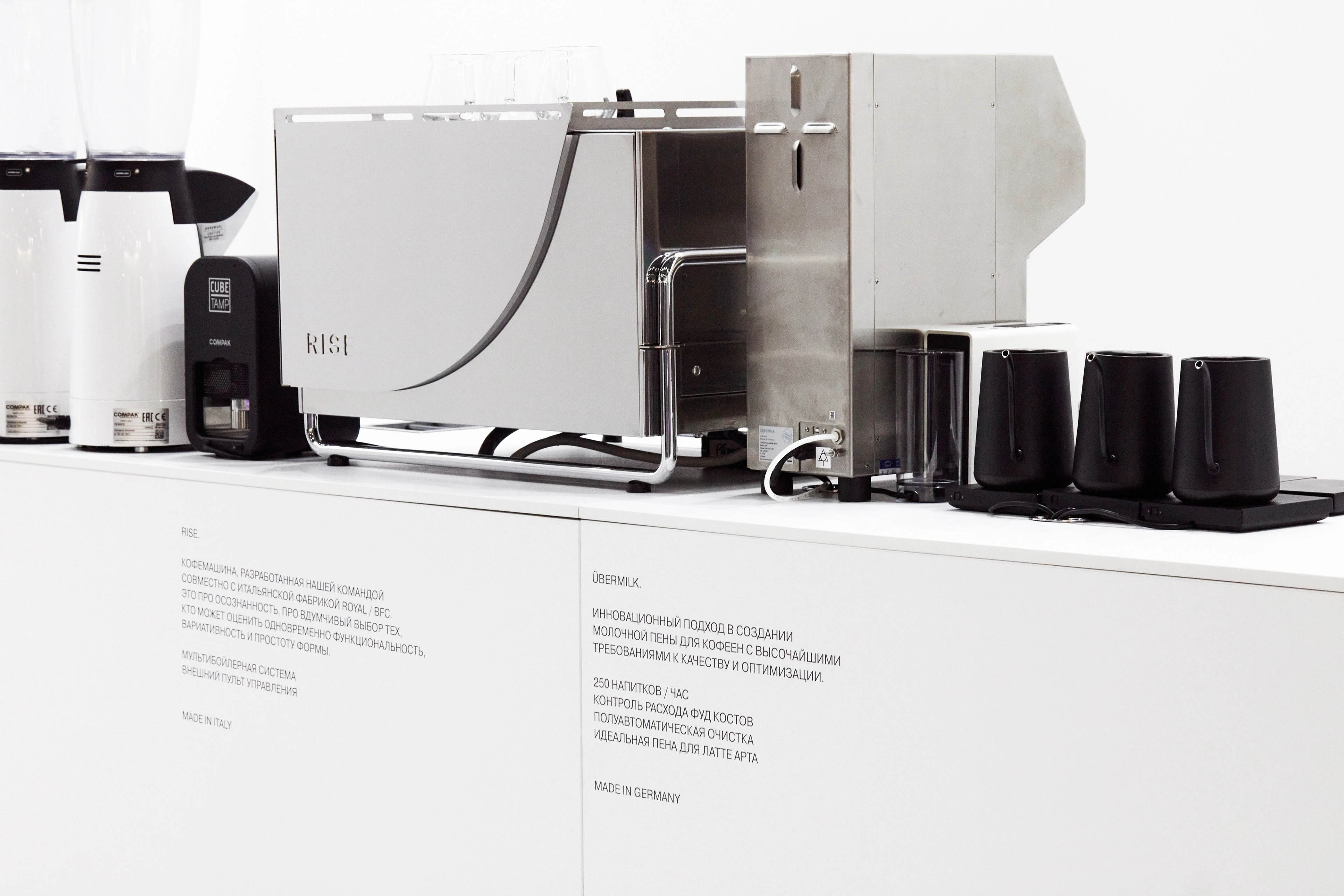
It is a very large coffee exhibition in Moscow, the HoReCa industry: tableware for restaurants, roasters from Russia. The task was to make a booth. I’m a person who doesn’t work in any architectural software. We just took it, drew it, came up with everything. And this booth turned out to be really strange and unique, because it differed a lot from everything else at the exhibition. We looked like people from another world: we fenced ourselves off from all those loud booths with just six-meter white walls. We were nothing like everyone else.
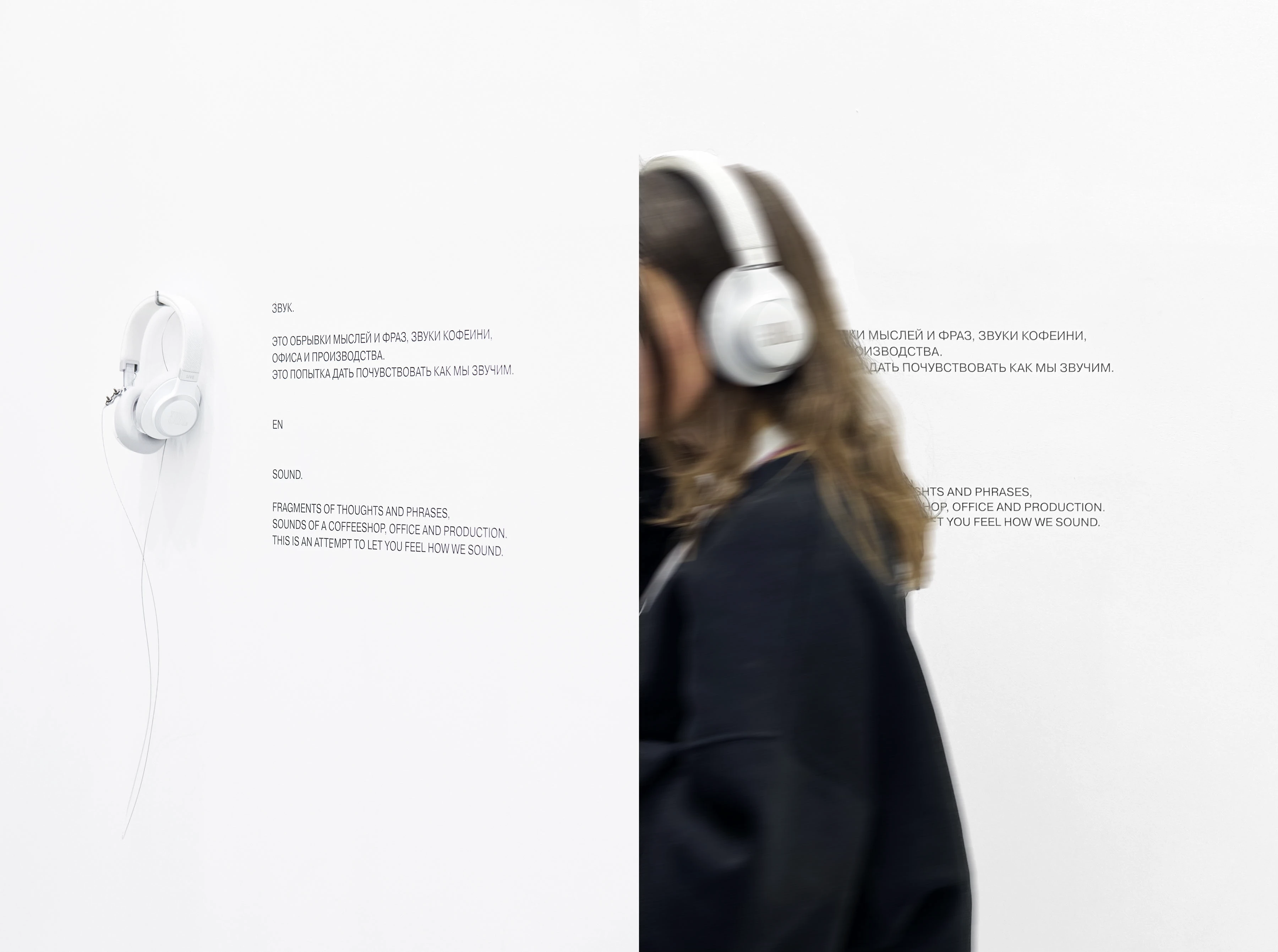
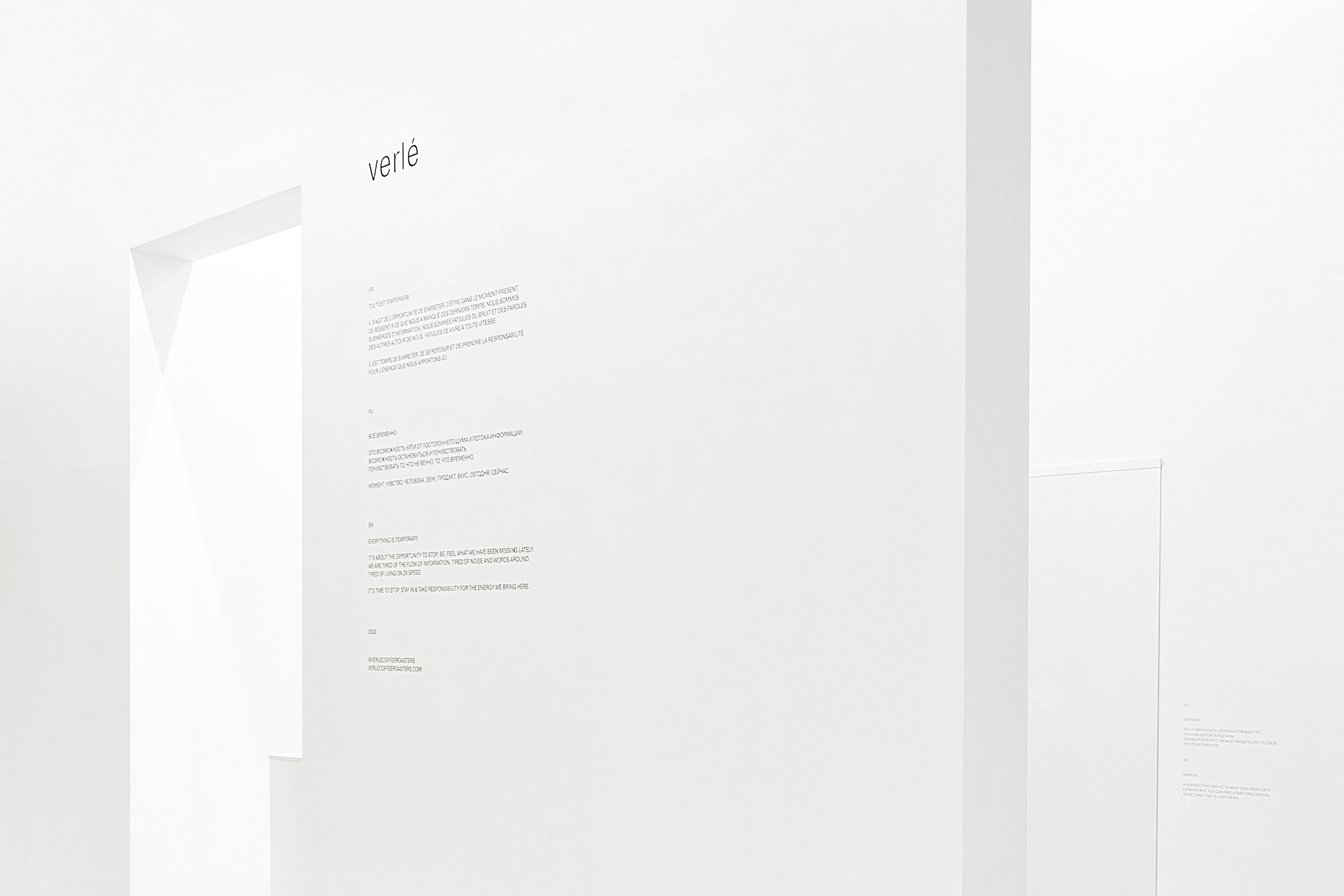
It worked really well and attracted the audience we needed.
And what else inspired you at the start, perhaps through the lens of key projects that changed your view of the profession?
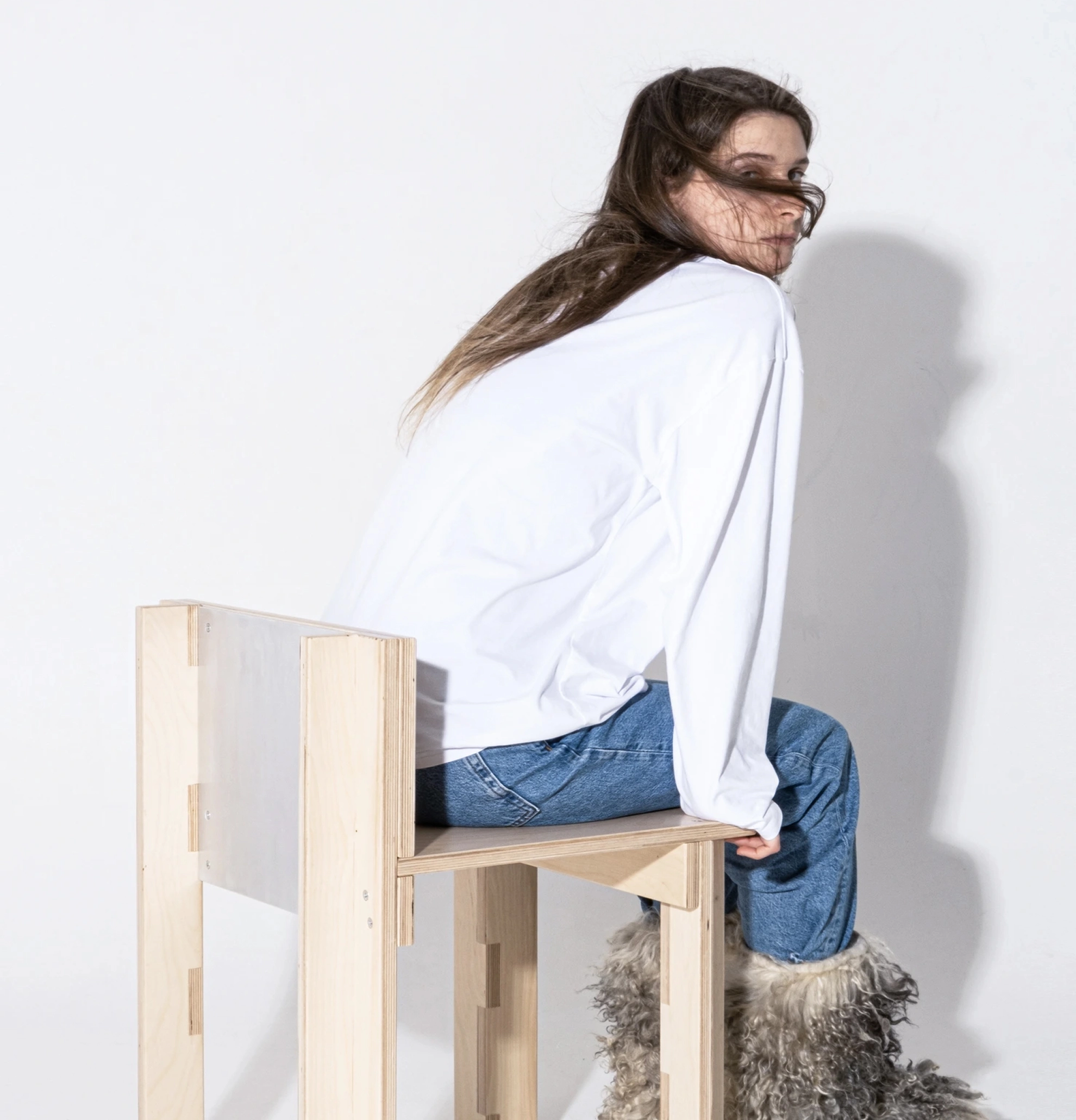
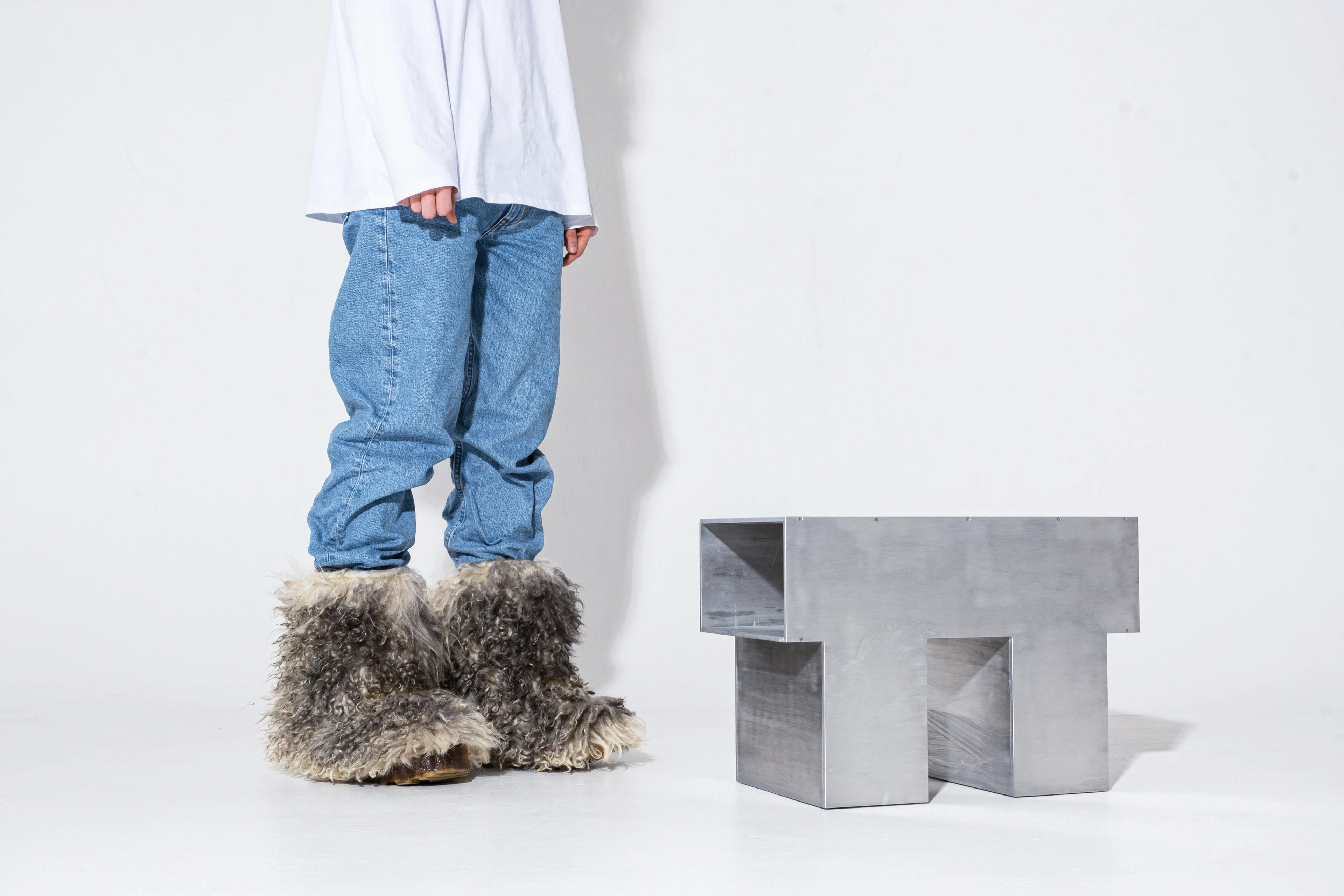
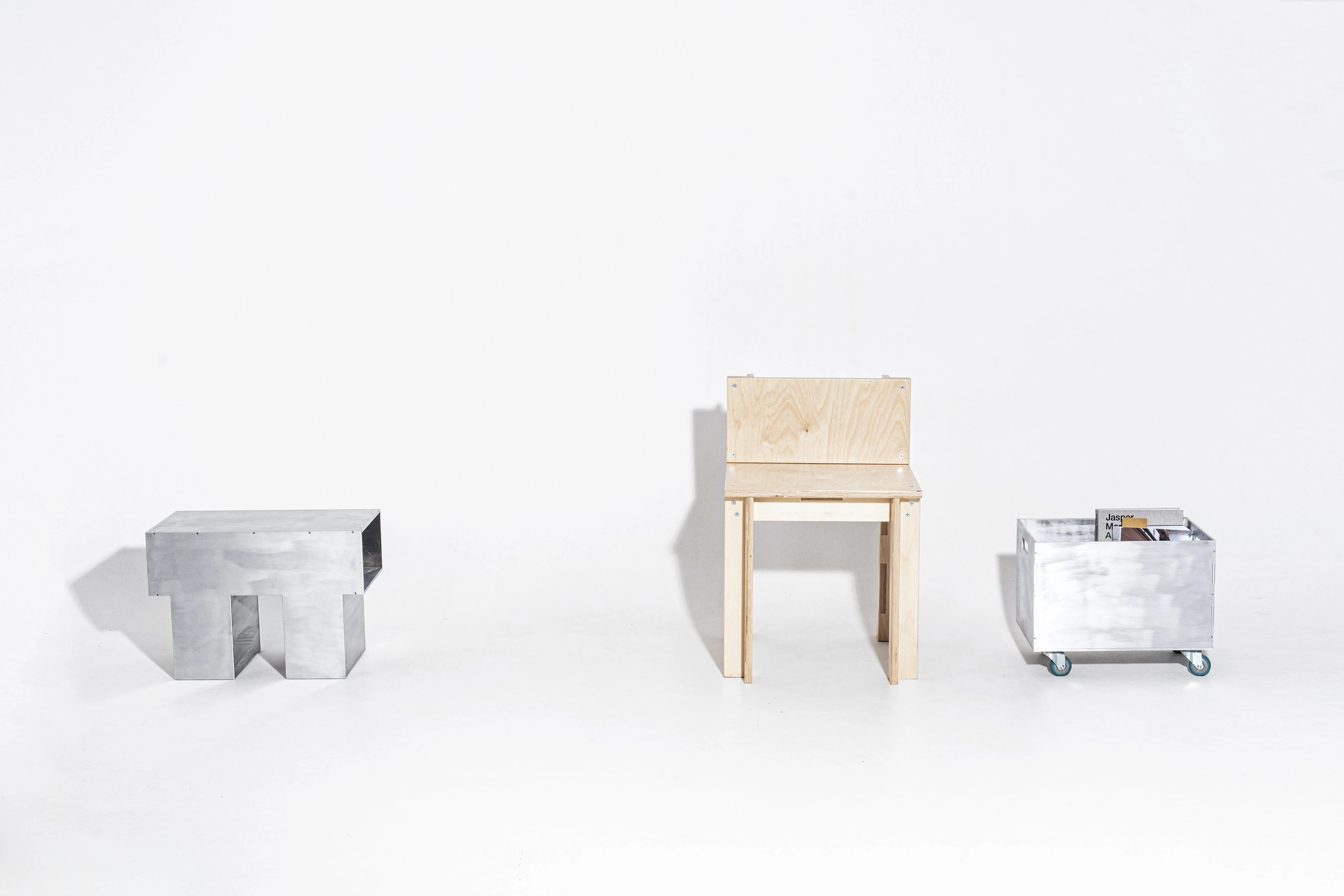
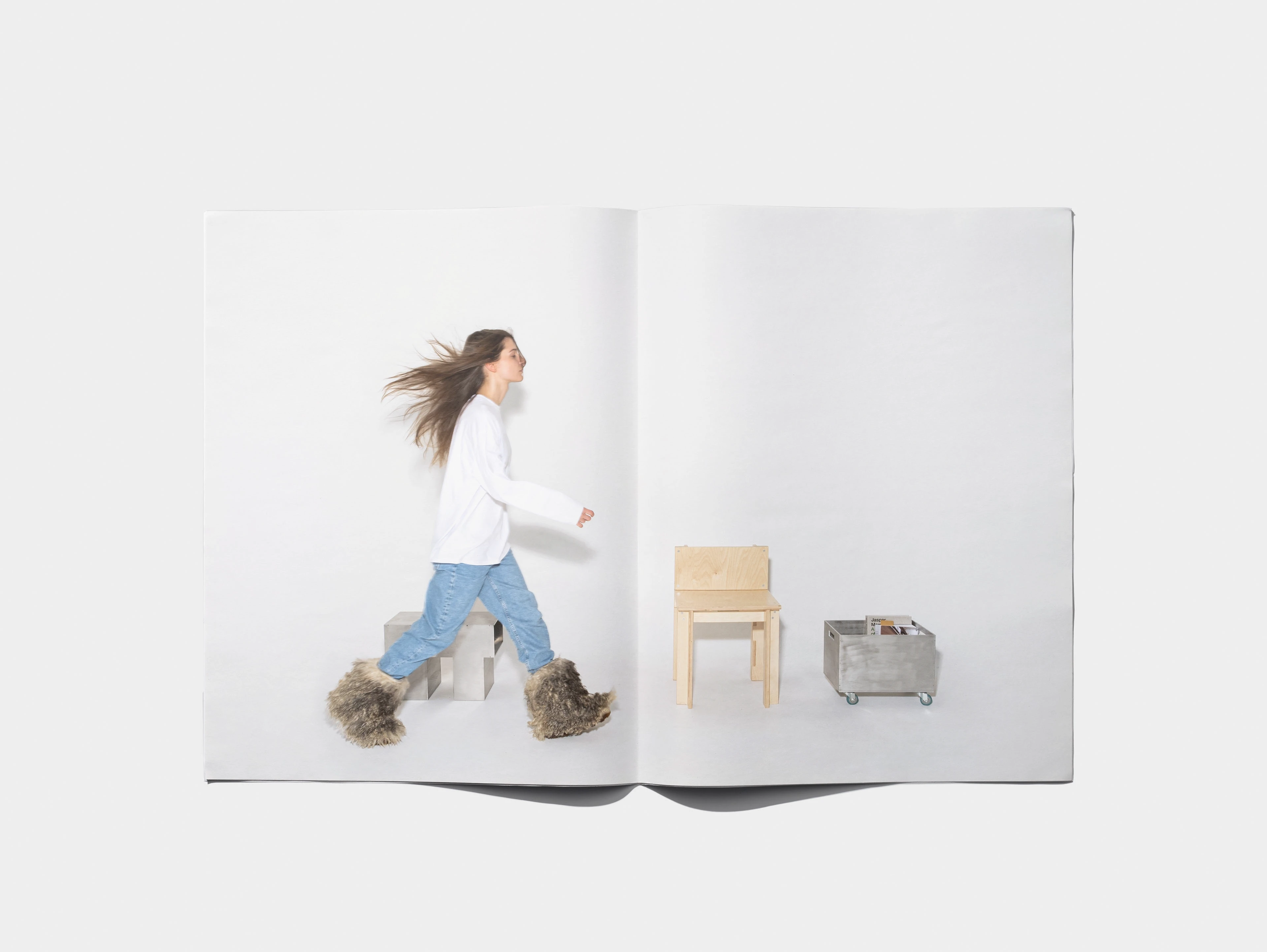
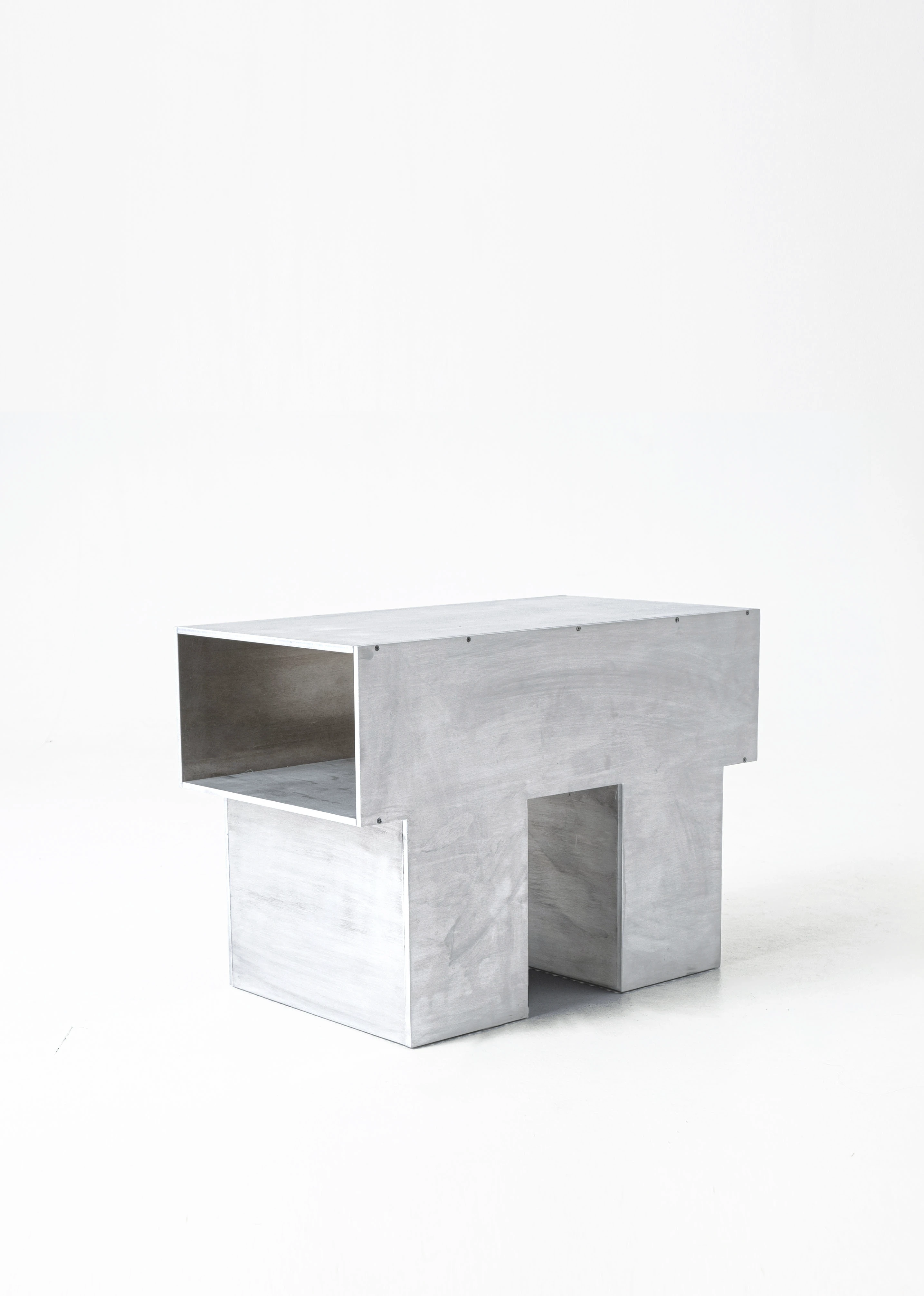
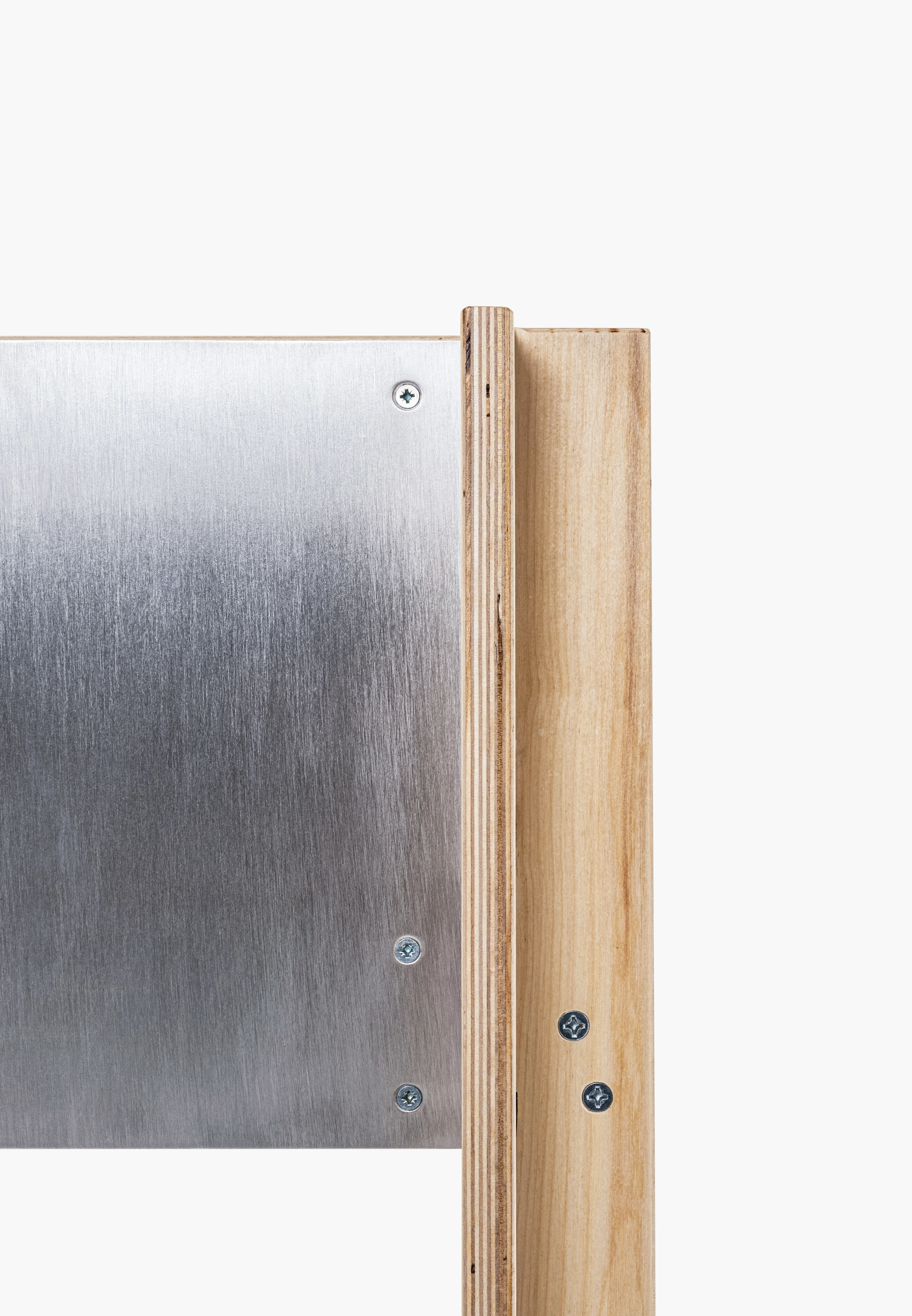
Among projects, probably the furniture project. The same moment: you don’t know how to do it, but you do it anyway. It was my graduation project at HSE. It was born when I realized I would be bored making a book, or an identity, or something else for a whole year, at a moment when I’m just a student, nobody requires it from me, and I can really choose what interests me. And I decided: well, it’s a whole year, I will definitely do it. Even from scratch.
Before, my value in design was that I could do everything myself from zero to the end. Now, on the contrary, it is only about working together.
– Masha Chern
There was an approach: if you don’t know how to do something, okay, sit down and do it anyway.
– Masha Chern
(on work-life balance) It is important not only for me but for my employer, actually: so that I am in good working condition all the time and my focus doesn’t scatter. When I’m tired, I can’t concentrate on things. It’s a discovery, but it wasn’t always like this. It is a very long road to get there. At Verle it was not like that at all.
For the last three years or so I’ve been trying to live exactly like this, and it has a really great effect. I don’t get tired of my work, I can work for a long time. And I’m more resilient to stressful situations. And most importantly, I ride a bike. You need a hobby that gives you a hundred percent of everything: happiness, endorphins, joy, calm. It should not be a digital hobby. Preferably not even very crafty, where you don’t need to think a lot. A hobby that gives you everything you are missing.
That sounds like very well-built personal boundaries. It takes a certain courage. The whole creative industry is characterized by a rather loose attitude toward time: you work all the time, your brain digests in the background. For that, either quality rest or quality switching is important. It’s great that you managed to set this up; I’m still in the process.
It’s hard. But if you just go to people and tell them how it works for you, you get quite a lot of understanding and support, where before I felt ashamed and shy.
You need a hobby that gives you a hundred percent of everything: happiness, endorphins, joy, calm. And it should not be a digital hobby.
– Masha Chern
Right now everyone in the world is just accelerating with AI. There are discussions that technology helps us, and discussions that it will replace us all. How do you use AI? Is there craft in your process, do you draw by hand? If you need to make a 3D piece, do you not sit in Blender but go straight to generating?
I really love AI. I realized I don’t use Google at all anymore. I only have my work email there now. It’s some kind of super game-changer that came on its own. I didn’t even have a goal for it to happen.
First of all, it helps me like this: I don’t spend time writing text myself at all. I throw in a list of all my ideas and say, “Listen, write it the way I would write it.” We talk, you know how I speak. It helps to do very quickly things that used to take days and weeks. Now a thought just appears, you throw it in quickly, and it’s already shaped into a perfectly beautiful text, written in your intonation, with your little words.
At the same time, I don’t think I can trust AI with design stuff. For me AI is more of a really cool addition. At TON, our rebrand will have a lot of AI images, but they will be images that… I really dislike this thing on Twitter where everyone posts AI images and they are as low-quality as it gets. It’s not for me. I don’t think it makes the world better. On the contrary, it makes a pile of low-quality content, which already existed. There’s just even more of it now.
I’m not afraid that this thing will replace me. But I understand that everything is developing so fast that sometimes it seems that if you take a one-year break in your career, you’ll come back to a world where everything already works differently, and you won’t quite fit in anymore. But I think that’s still a somewhat toxic thought. I try not to think that way. I hear such opinions, but I don’t know, I think some human work will still be valued. And the places where it stops being valued are simply not places I’d want to be associated with.
In the TON rebrand, we came up with what kind of world this is, a kind of TON universe, where everything looks a certain way.
And these will still be prompts that we write, refine, and maybe then edit on top with our own hands. I don’t think AI can yet produce the same quality of work as a human. I even hope that AI will replace me in all sorts of routine tasks: that you can give it a template and it will do everything from it. But the creative, meaningful part, the concepts and ideas for improving everything, will still belong to people, not to artificial intelligence.
That is a very ethical and responsible approach. It’s strange to fear technology just because it speeds us up. It’s important to take responsibility for how you use it and not make too much noise and emptiness around your work.
I really dislike this thing on Twitter where everyone posts AI images that are as low-quality as it gets. It, on the contrary, makes a pile of low-quality content.
– Masha Chern
The creative, meaningful part, the concepts and ideas for improving everything, will still belong to people, not to artificial intelligence.
– Masha Chern