
The Philosophy of Emptiness
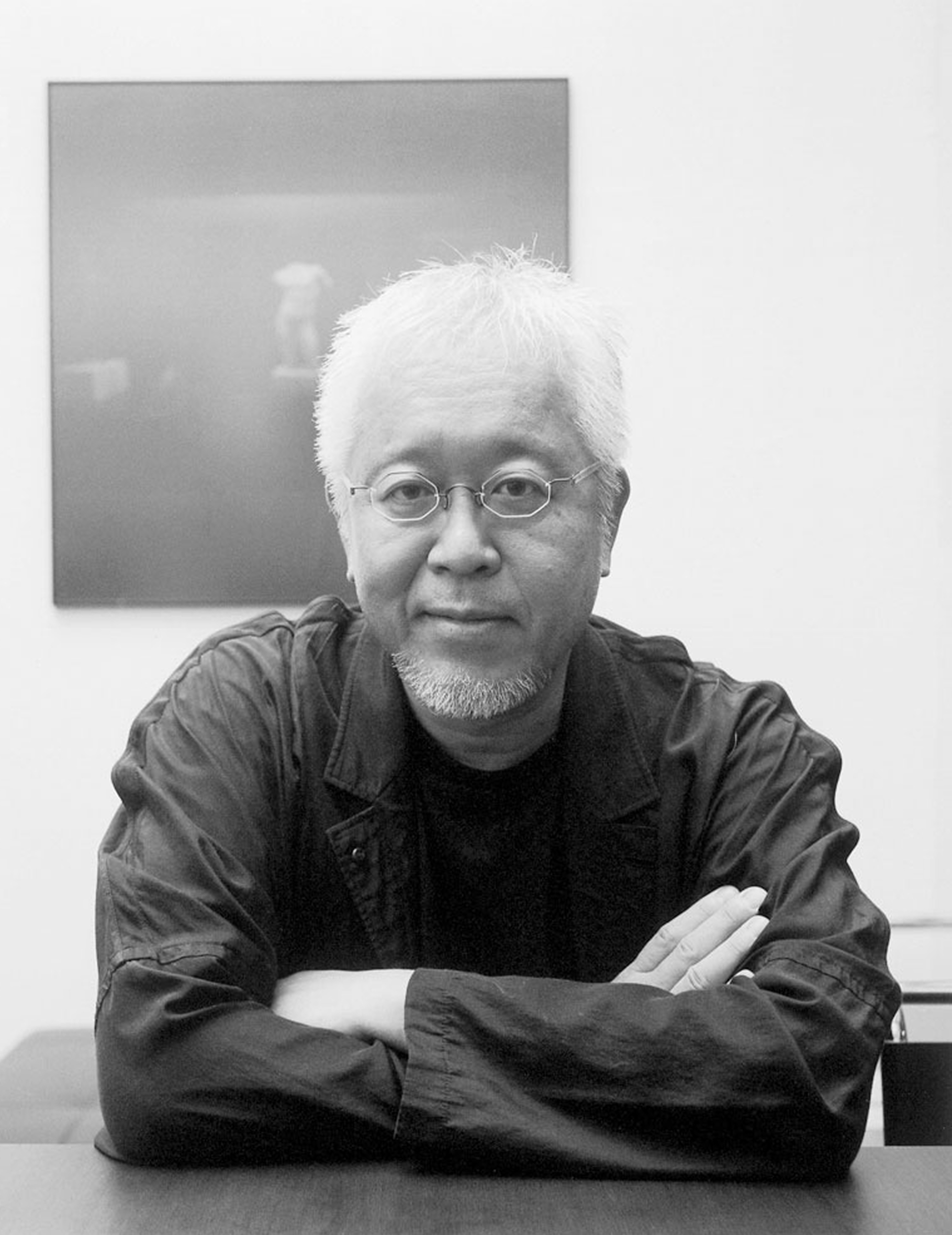
Alongside European rationalism, a different minimalism emerged in Japan. It arrives not through Rams’s discipline but through trust in the user. I added this chapter because the whole history of design we tell ourselves in Russian is usually Eurocentric. Yet minimalism is a universal language, and its Japanese version is just as important.
The concept of emptiness
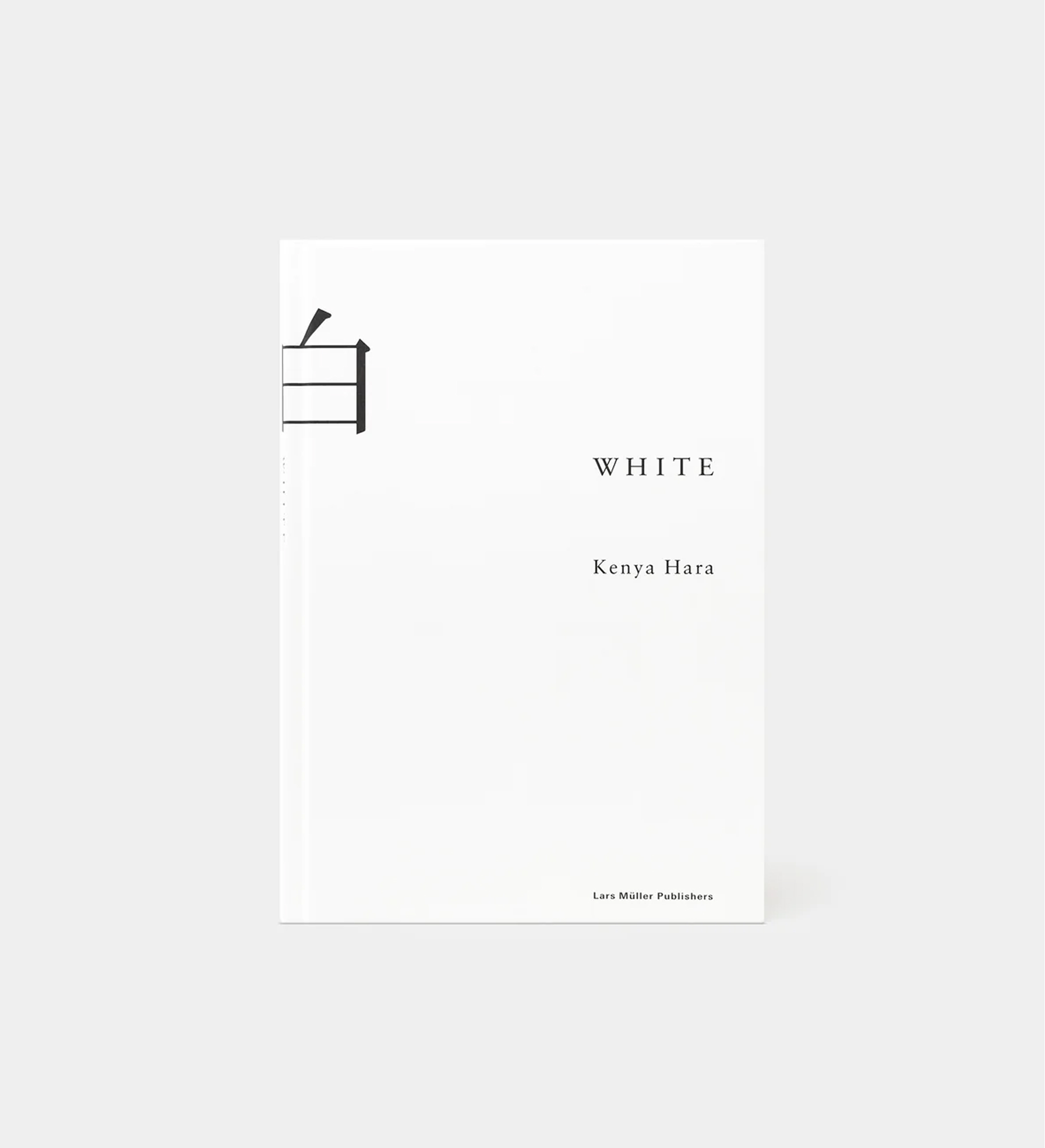
In parallel with the development of European rationalism, another movement arose that reached minimalism through an entirely different logic: the Japanese aesthetics of emptiness. Kenya Hara (b. 1958), a graphic designer and later art director of MUJI (since 2001), developed a philosophy in which emptiness is not an absence but an active presence. In his book White, Hara explores the concept of white as tied to Japanese aesthetics, symbolizing simplicity and subtlety.
Emptiness is not an absence but an active presence.
How it differs from European minimalism
Conceptually, this differs from the European minimalism of Rams. Where Rams spoke of discipline, responsibility, and rejecting the superfluous, Hara speaks of trust in the user and their imagination. Emptiness is a space for interpretation. He compares good communication to an “empty container”: a symbol that does not limit meaning but opens it up.
MUJI as an ethical stance
This took shape in MUJI, a brand that redefined minimalism not as a style but as an ethical stance. MUJI’s philosophy is encoded in a simple declaration: “It is simple. It is honest. It is functional. It is accessible.” There is a key difference from Rams: the rejection of display. The MUJI brand makes no claim to be seen. It serves.
Minimalism as a universal language
This mattered for the history of design culture because it showed that minimalism is not a Western invention but a universal language. But it can mean different things. When designers discuss meaningful minimalism, they are arguing not only about what to remove. They are arguing about who owns the space that remains.
Emptiness is a space for interpretation.
– deFindings