When Not Making Is Better, and Soul in Souvenir Production
Where would you start a conversation about design culture? What is it for you?
Design culture. I'm probably not one of those designers who exalt design as a discipline or as a profession in life. I mean, it matters, but it depends on what kind of design you do and how you do it.
It seems to me that if you do your job, obviously, you're not saving the world, but it feels important to do any work to the maximum. Conscientiously. Because there's a junior and there's a more experienced specialist, and everyone contributes differently. But everyone can take their work seriously. And for me that's the most important thing.
I work with great designers who can put into a project in an hour as much as ten juniors. That doesn't mean each individual beginner becomes less valuable. What matters is that each person, at their own level, if they want to grow, will grow and contribute something.
For me, design is help for a product, for some cause or project. But design for the sake of design is very common. And I see it more often than good design that helps improve a product, its visibility or function. There's more design for design's sake than design tricks that actually help. Sometimes you look and think: "cool trick." But it could have been any other one. So what?
When I started, I studied to be a designer, and it was a promising profession, but it wasn't yet that popular, there weren't piles of courses, there were lots of open programs at universities. Now there are many designers, and I think the notion of design has become very blurred. For some it's decoration. And that's also an approach. It just doesn't suit me at all. We have so much visual trash and physical trash. And if there's a chance not to make something, it's better not to.
Tell me about your path. Which moments influenced you?
I have a degree in the field, graphic design. I always wanted to work either on nature conservation projects or on projects with an open brand culture, without bureaucracy. I didn't really want to go into big corporations. My twin sister worked at Yandex Music for three years, and I know the specifics: in big companies there are many divisions into services, small teams, and you can't tell in advance whether you'll land in a team that fits you in spirit. It's easier to pick a specific brand that clearly follows its values at every level, not just in outward communication.
First I worked at an agency that did branding exclusively for protected natural areas in Russia. It was a dream job. But it was hard to push ideas there. A very vertical system, no room for new formats. I prefer a horizontal one: where every person has their own experience, and it's valuable. Even if it's a junior, their experience in some area may be much richer and enrich the project.
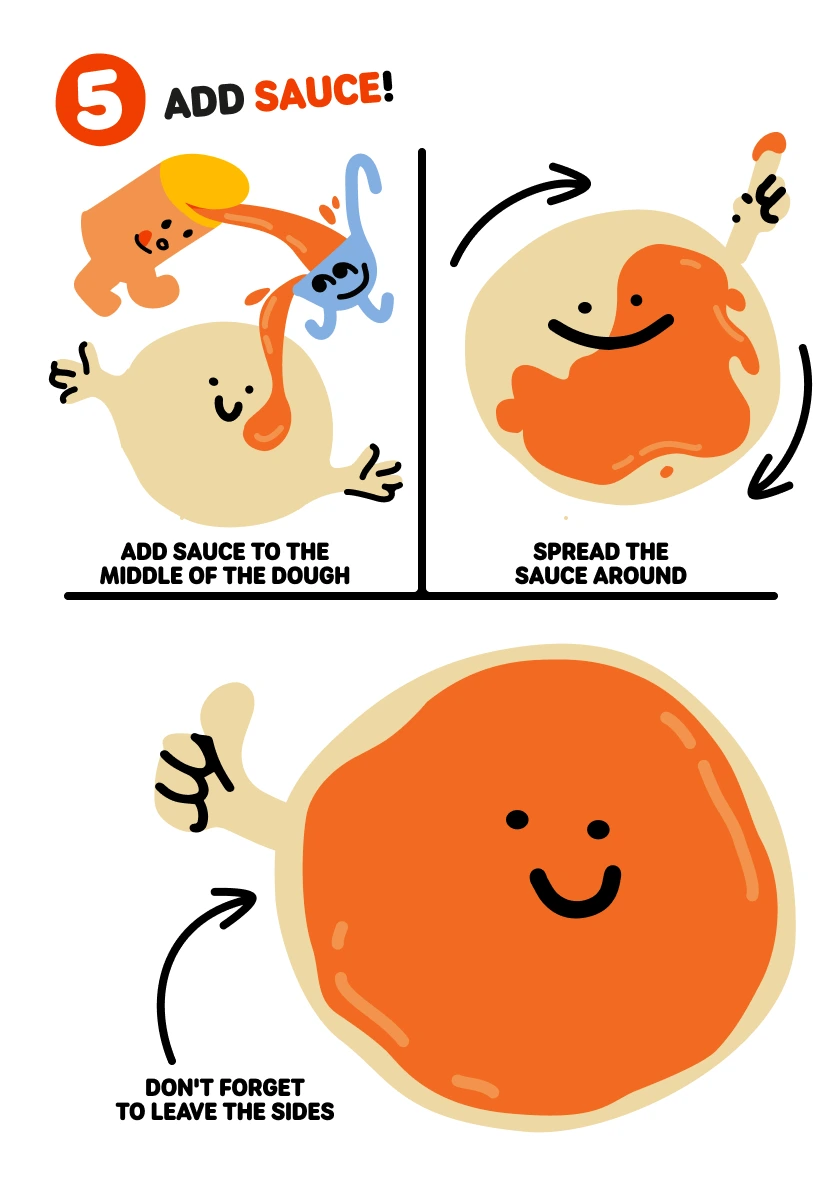
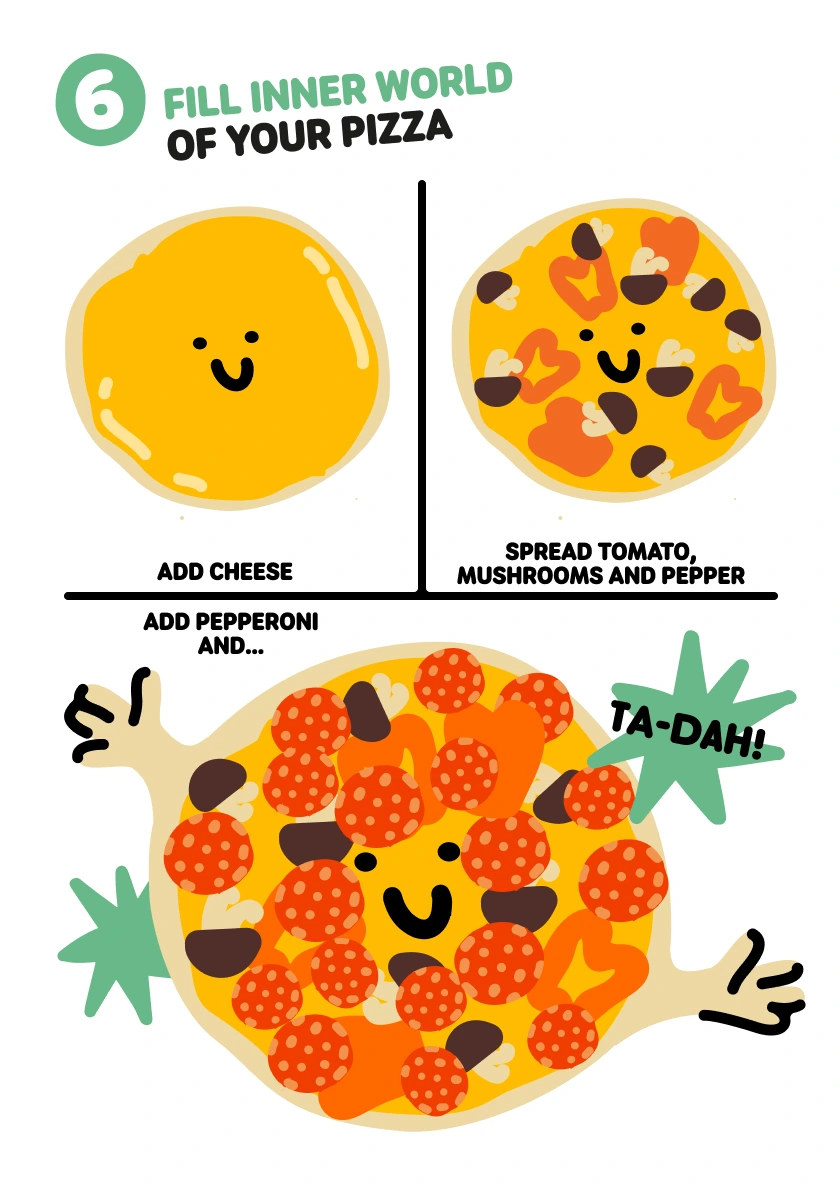
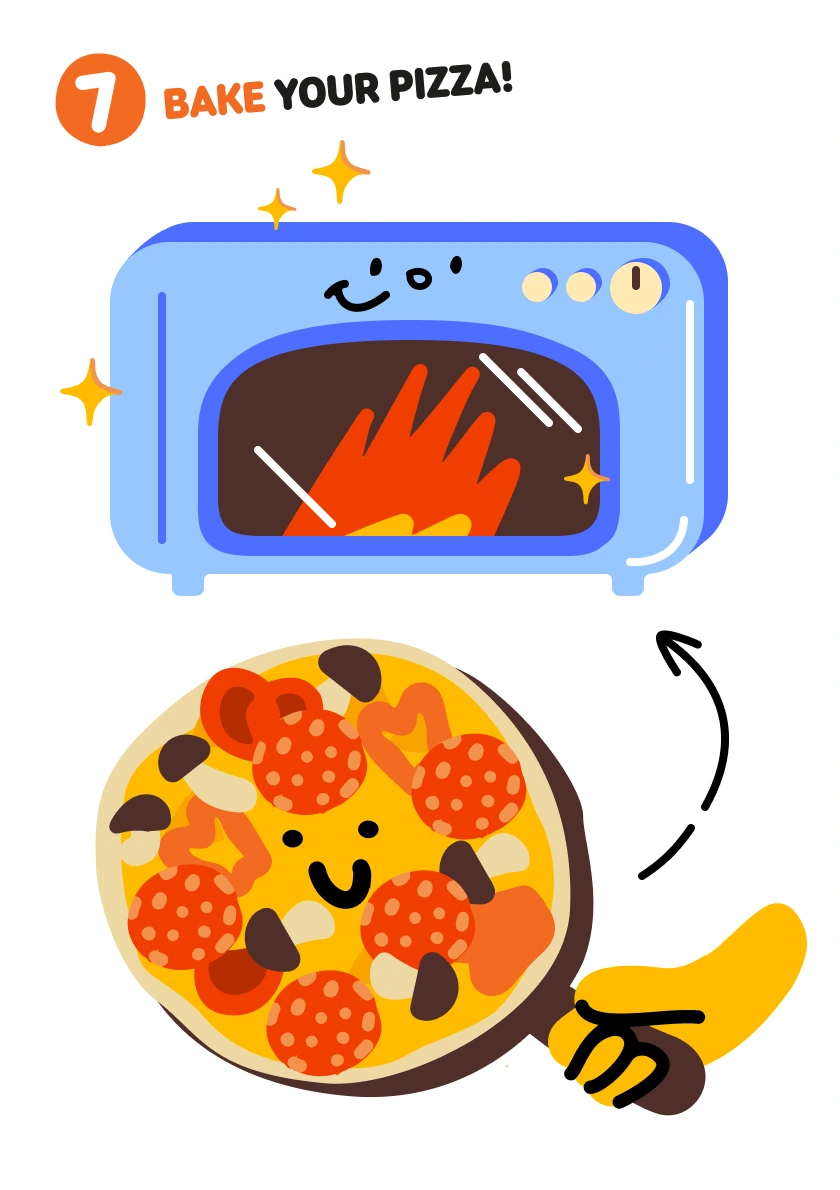
Then I was hired by Dodo Pizza. I worked there for three years in the in-house team in different roles. At first just as a communication designer doing special projects. For a year I left for a children's startup in Dubai from Dodo, where I was an art director slash designer. I really like Dodo's culture, its openness. My lead was Tolya Malakhov, who, I think, cultivated a lot in me in terms of how to communicate with a team and how to approach work.
What exactly did you pick up from him?
How you can give feedback. You praise, and then you comment. You can simplify it like that, really. It was always simple. I've come across people who either don't deliver it very well, or give it as if, you know, they don't like something but don't understand what exactly. And Tolya could often say he didn't understand what the problem was. He'd think it over and come back.
That's the kind of communication I learned and try to stick to: a person in a managing position doesn't always know what's right. And praise really matters, so that a person keeps trying, even if it doesn't look very good yet. Almost anything can be polished into a very good result.
Which project influenced you the most?
We were making a game inside the app. Officially it was called "Khvostiki" ("Little Tails"). In reality it was a Tamagotchi. The funny thing is that we had no team that had ever made games. No illustrators. Each of us was doing everything for the first time. The deadline was a month and a half. There was already talk: let's cancel. And I said: "No, we'll make it."
I slept very little. I learned and made things right in the process. I really wanted the project to launch. When users came in and played the game, each user could donate, say, one ruble a day to the foundation we chose, "Detki." In the end we raised, I think, two million. For the foundation that was no small sum.
The project was really put together on a shoestring. But users still write: "Bring back Khvostiki, bring my puppy back to life." We thought about actually keeping the game permanently, kids were playing. It was a project that influenced me a lot. I'm always looking for ways to both earn a living and have the work do some good.
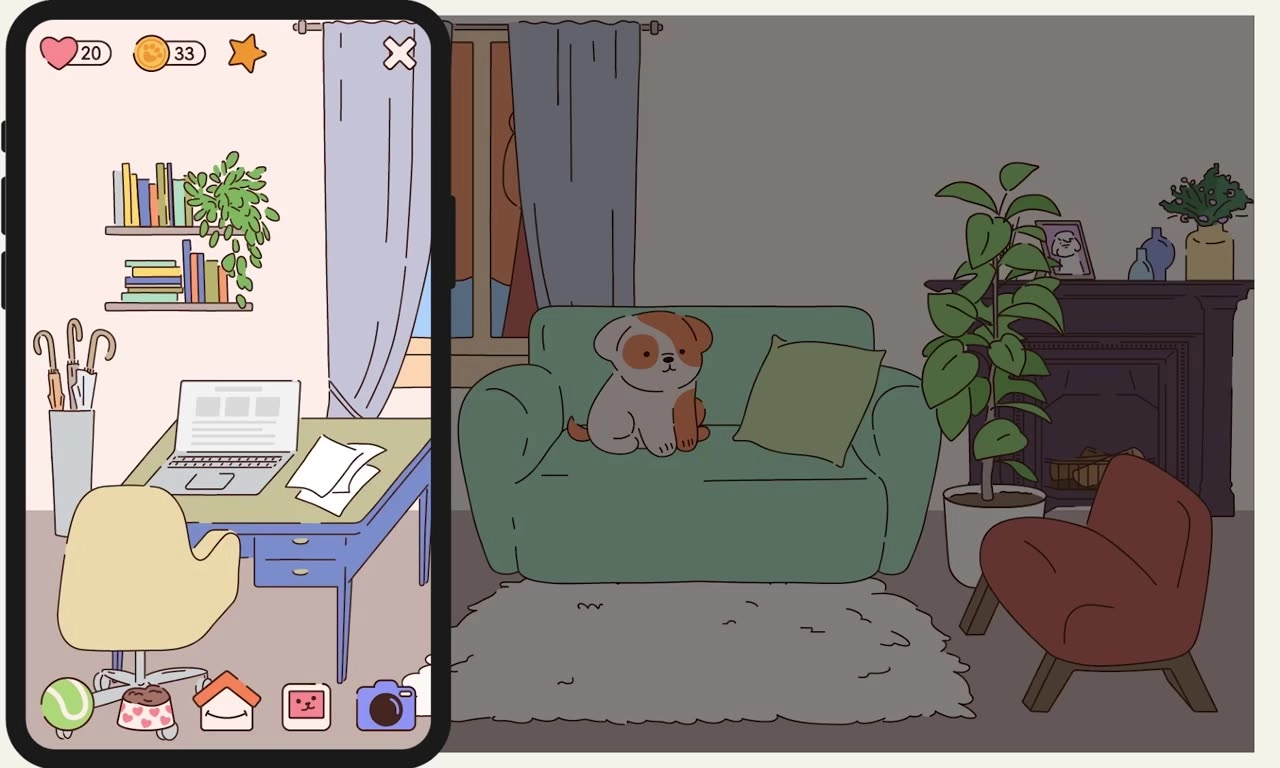
Each user could donate a ruble a day to the foundation. In the end we raised two million.
– Olya Bazanova
You mentioned that ethics matters to you. Tell me how it affects your projects.
My main guideline is to minimize my personal contribution to things I can't reconcile with my personal life. I won't take part in projects involving animal exploitation.
Just yesterday a friend told me, he's a freelance sound engineer, and he got an order. Some Russian company is treating Alzheimer's by implanting neurochips. Obviously this is tested on animals, that goes without saying. But they're also making drone pigeons and something with cows: so that milk yield can be controlled with buttons. If you abstract from it, what are the upsides? You could keep fewer cows and save on livestock, reduce the impact on the ozone layer, methane and all that. The upsides are undeniable. But the exploitation of animals itself, and such a harsh kind, they call it Smart Animals. For me that's Black Mirror to the maximum. If my friend was still wondering whether to get involved, I wouldn't have thought twice.
Products have different degrees of impact: on the environment, on people, on animals. I want to be in projects that are either neutral, or strive for neutrality, or ideally help. I decided for myself not to get involved in projects that do harm. At least those that do a lot of harm, because most projects still cause some harm one way or another: making pizza boxes is packaging, it's still harm. Neutral projects are hard to find, there are only a few. I aim for the least harm.
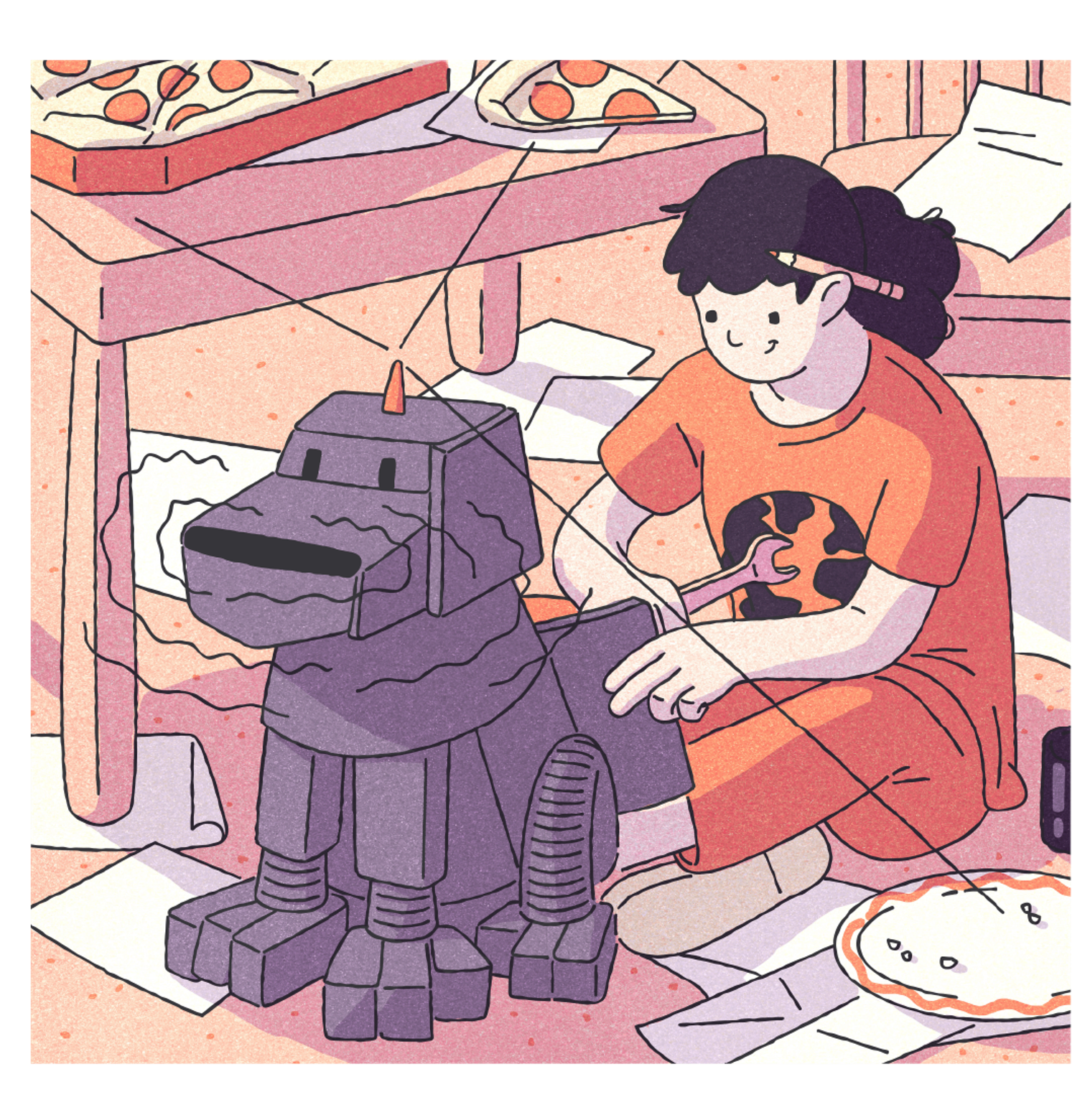
It's hard, especially when you're looking for work. It's hard to turn down a well-paid project that you could do in a week and earn decent money, just because of these principles. But I have to live with myself afterwards, and money will go and come from somewhere else.
It's hard to turn down a one-week project and get rich. But I have to live with myself.
– Olya Bazanova
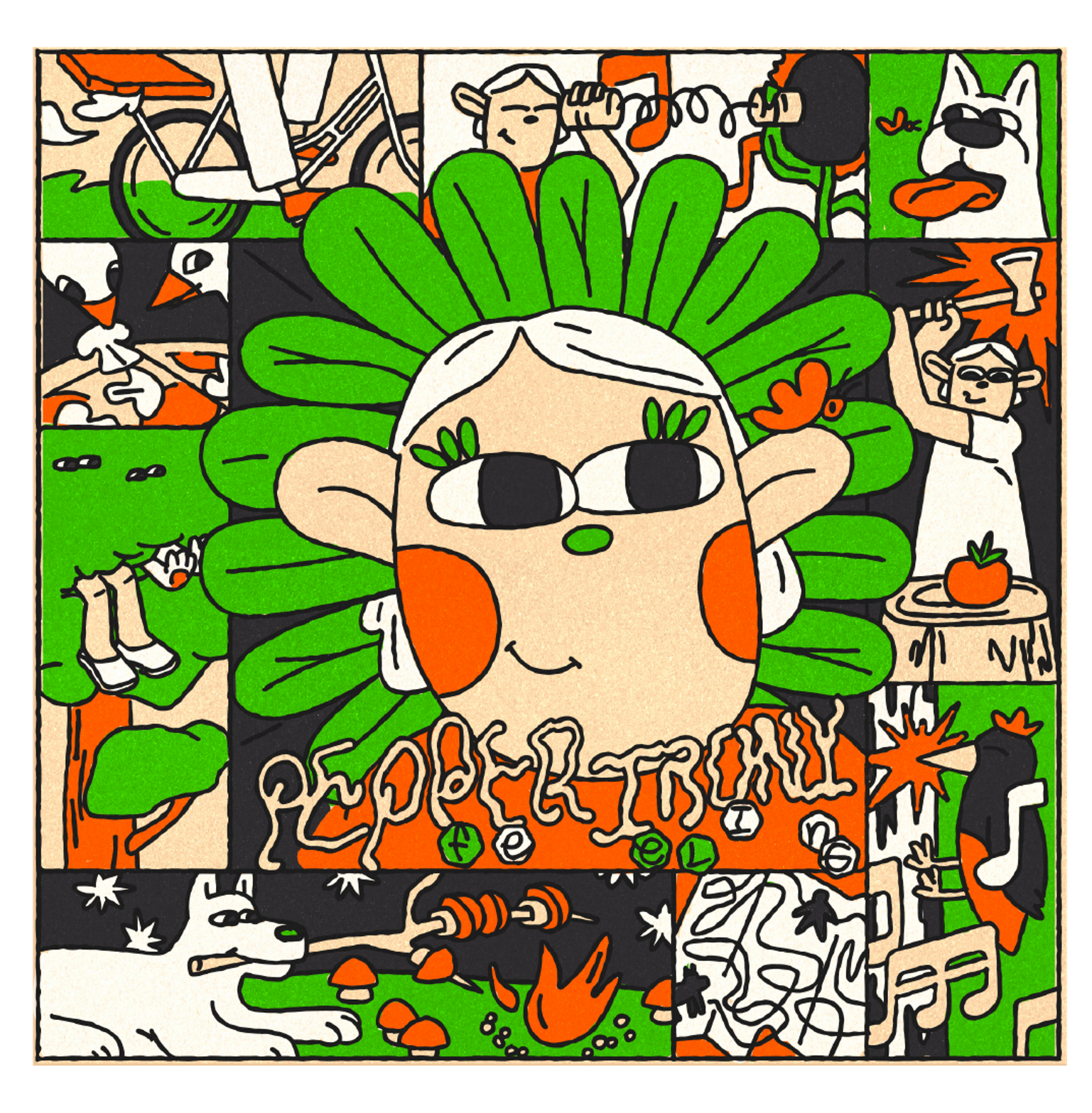
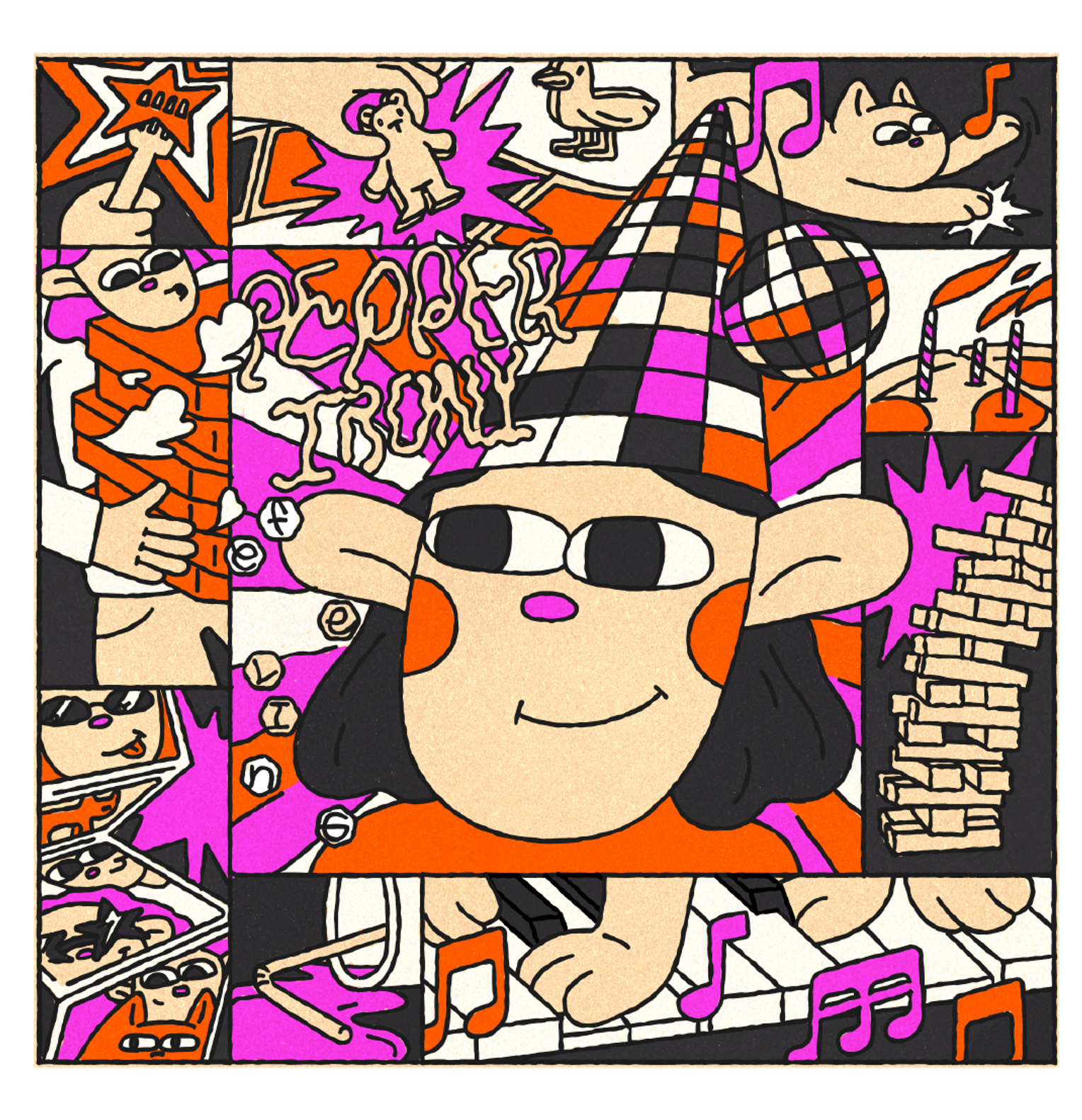
You also draw and put on exhibitions. What is that about for you?
I've done it since I first started doing anything about animals, about nature, about paying attention to these things. About two years ago it took shape with my sister into something closer to a format: there used to be four of us, now there are two. We just make what we want. It's freedom, and it often comes in handy later.
For example, last weekend we had an exhibition, then an auction on Friday. We earned twenty thousand from our drawings and sent it all to local foundations. The next day we helped the people who run a vegan mobile cafe in Kaliningrad: they pop up in different parts of the city. We made drawings for them, printed them on T-shirts, they have a huge iron and special stickers.
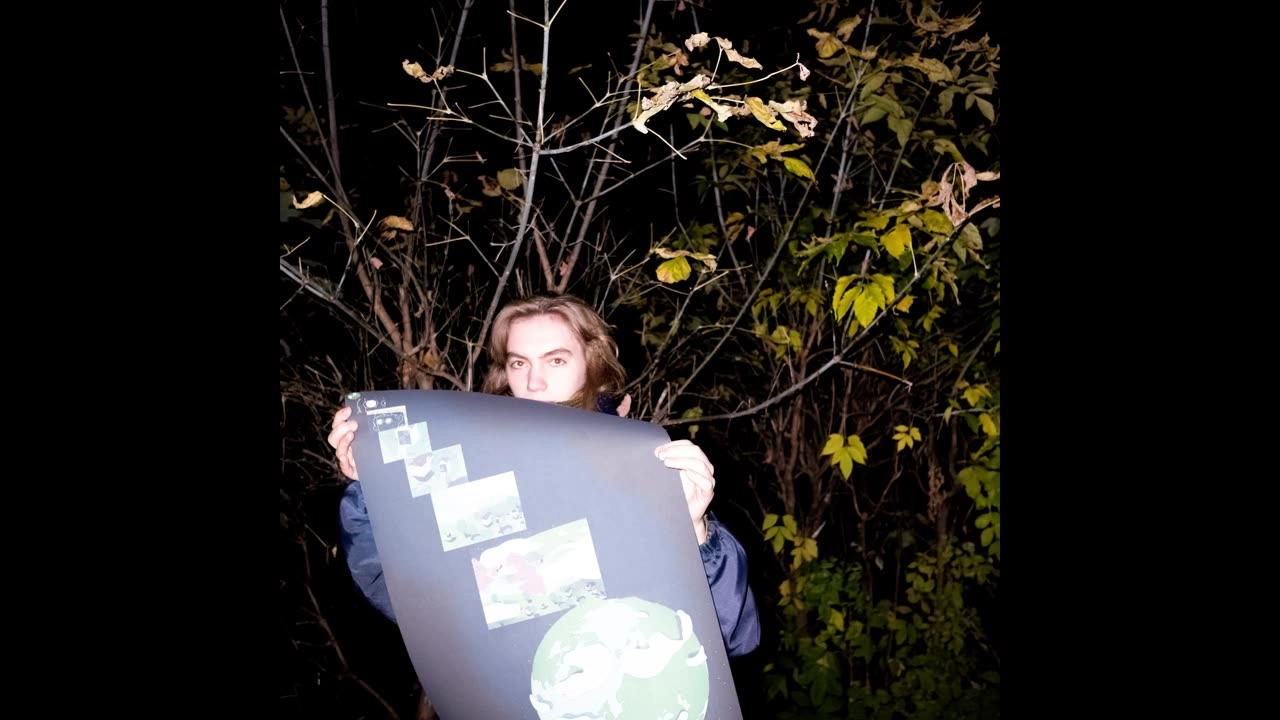
I want to support people who are in the minority. When the vegan activists left Russia, there was one vegan cafe for the whole of Kaliningrad. And even it is ready to sell the business, because not that many people come. You could probably call it an outlet. It's something I'd do even if I weren't paid for it. Everything we earn from this project goes to foundations. So far, luckily, we have enough to live on.
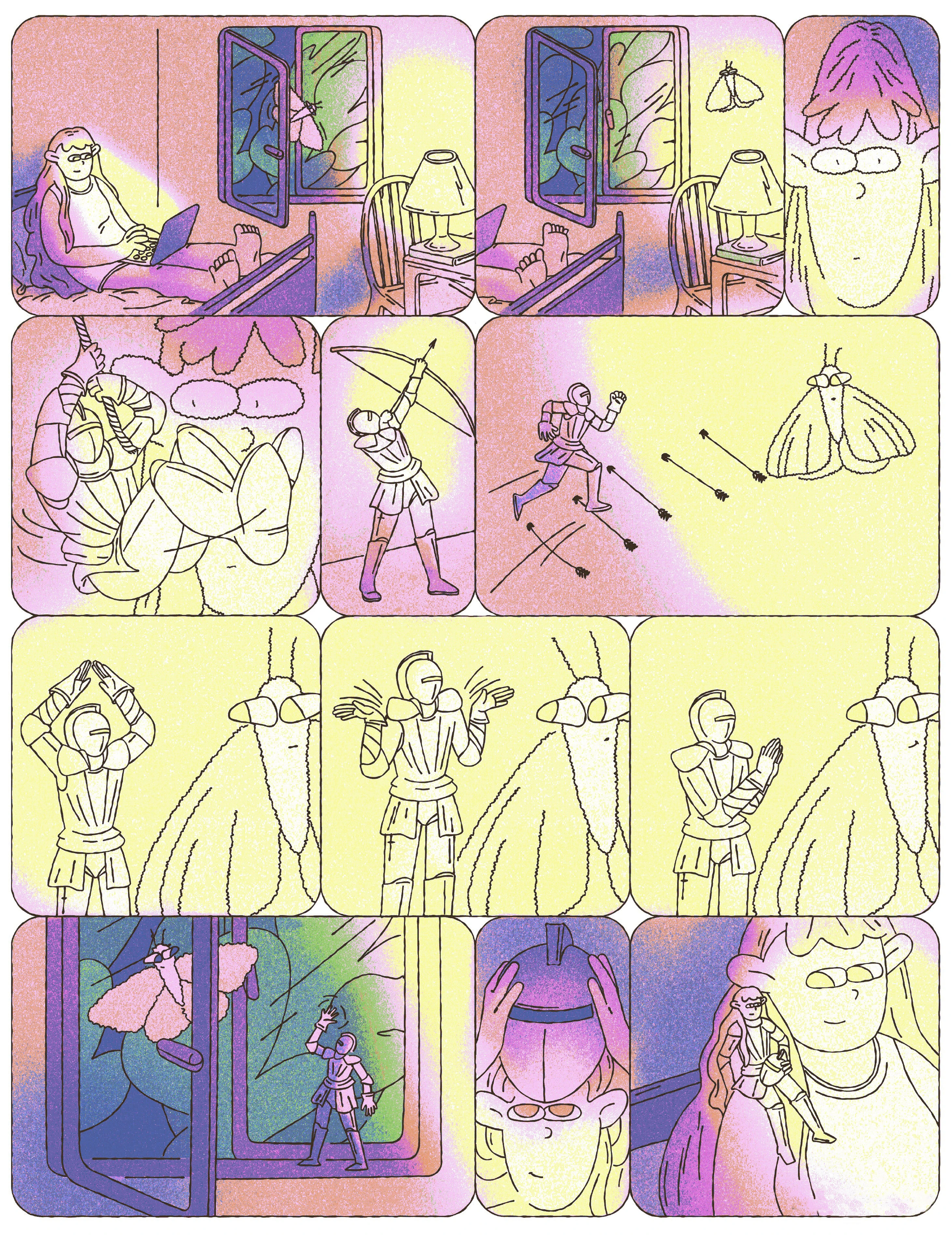
You draw a lot by hand. What should design be first and foremost, in your view: craft, or digital?
There are two camps. There are designers who don't draw at all. And there are those who draw everything first and then translate it somewhere. I'm closer to the second. But it all starts from the idea. Sometimes I really want an illustration. I'm in the mood, I want to make it. But a project can be solved with a single letter. Everything is clear there, no need to illustrate.
My process looks like this: first some brainstorming, that's how my brain works; I sketch it out, sometimes, if I need to show people who aren't designers, who are closer to numbers.
At university all our teachers were simply artists. Not a single designer, even though it was a design faculty. They said: "Draw as much as you can, a draft or sketch of what you'll draw later. Because most likely you won't draw it later in as much detail as it seems to you now." Draw as much as you can. My sister has a different approach: she makes a sketch and then assembles it in vector bit by bit, like a mosaic. I usually go straight in. If you can scan something natural and use it in a project, that's cool. Right now there's an oversupply of generated, cut-out stuff. Maybe that's in my bubble, but I feel tired of it.
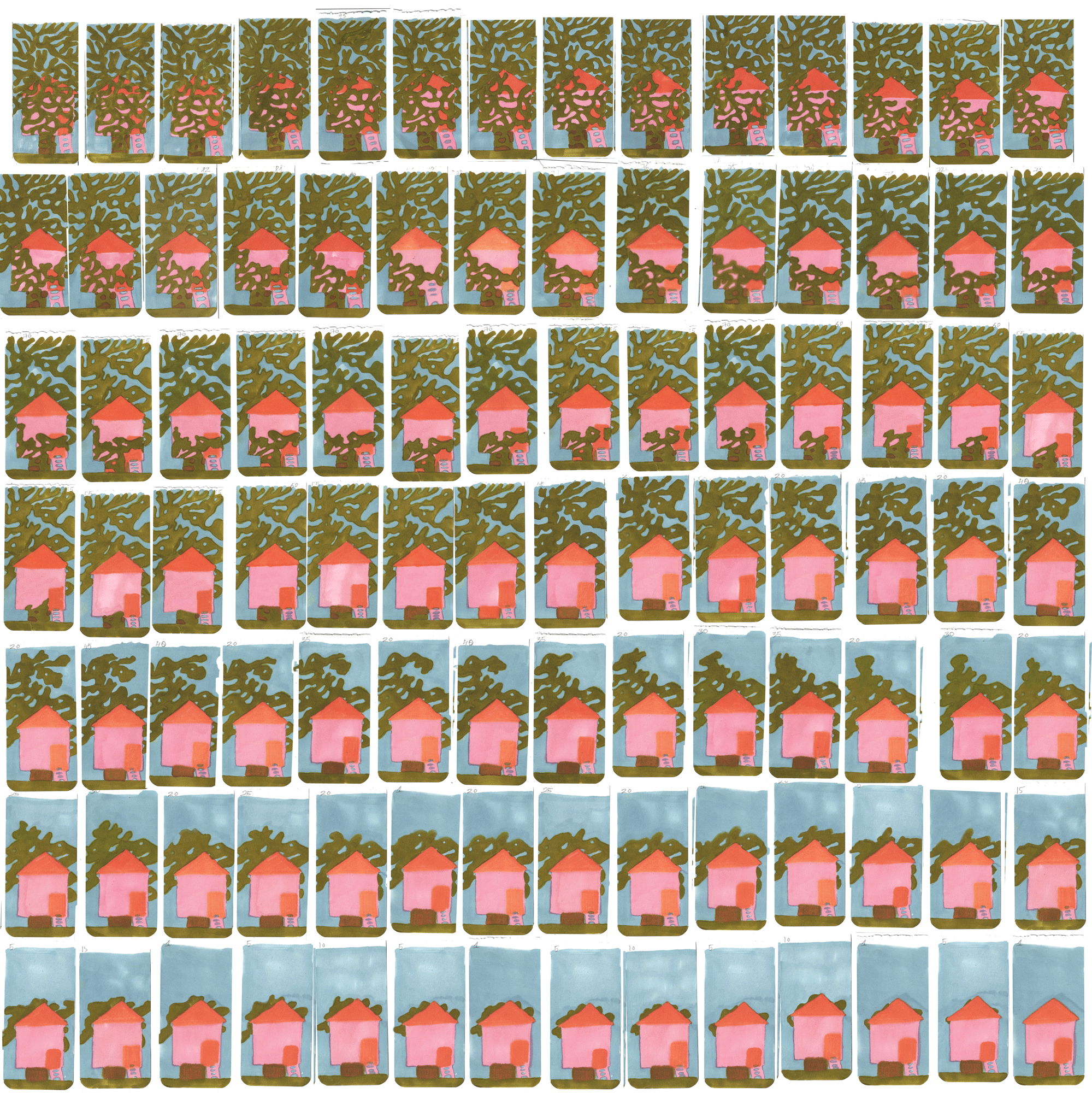
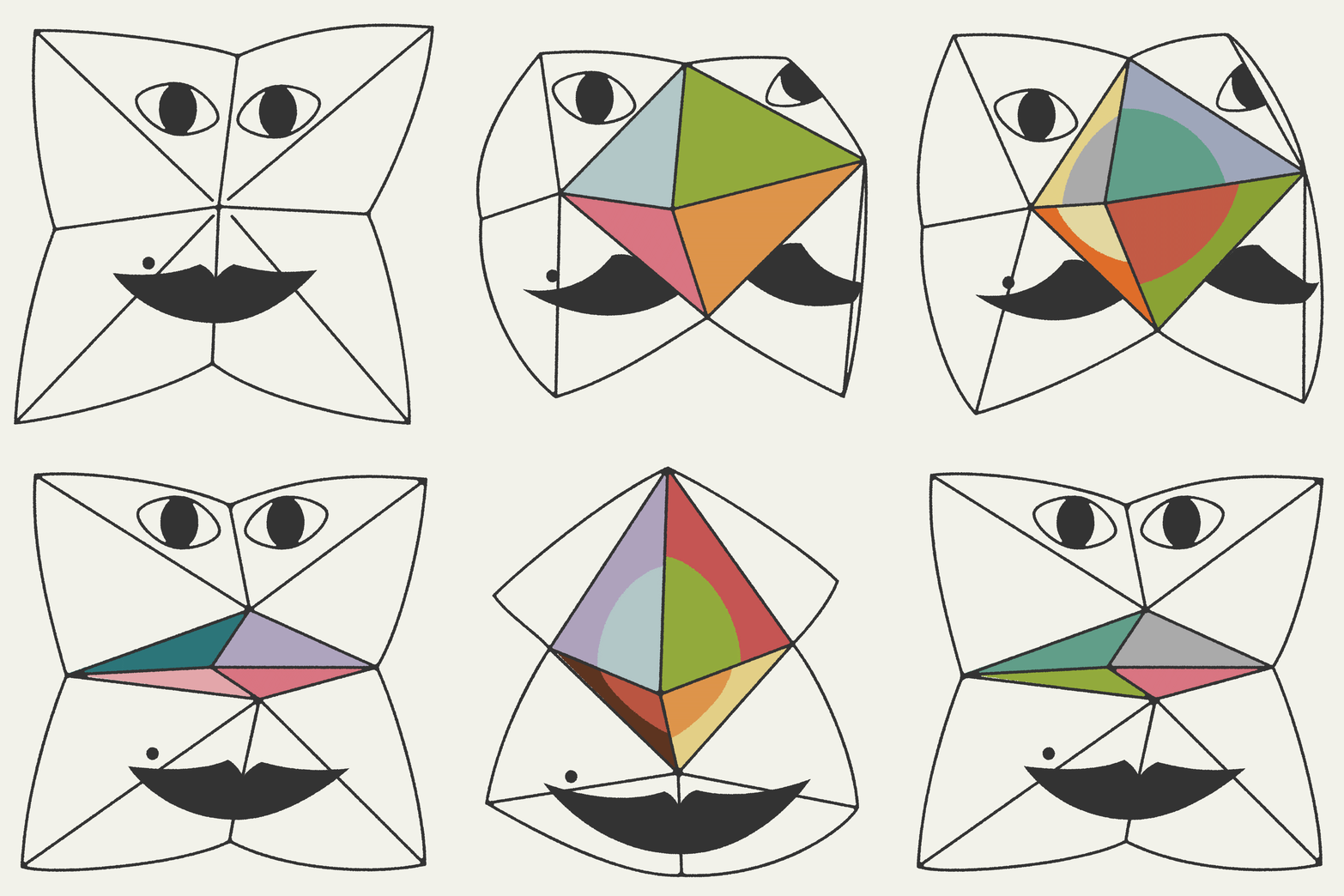
And how are you with neural networks now?
For a very long time I was in denial. Now I see the use. For example, in presentations. I want to make a bag like this. I need to show it, ideally without attaching a thousand references: here, I drew a diagram, a pattern. I learned to make a sort of mockup with materials I found. For me it's magic.
Sometimes you present an idea, and she says: "This won't sell." I showed the mockup to Anechka: "That's it, that's the hit of the future." Well, if it's worth the subscription I pay for.
I showed the mockup to Anechka: that's it, that's the hit of the future.
– Olya Bazanova
Tell me about "Podpisnye." They're a certain phenomenon. Do you have any principles internally that you articulate as quality?
I wouldn't say I can formulate it definitively right now. I haven't worked here very long, I'm still taking a look around.
But I never thought I'd get involved with souvenirs. For me it used to be: "we produce what isn't actually needed." And now I think differently. First, souvenirs will always exist. And I have a chance to influence them being made from good, recyclable materials, or to give these things a function. At "Podpisnye" overall, I think, there's soul in abundance: no matter how much you add, it doesn't decrease.
At the same time, there are projects that "Podpisnye" takes because they'll most likely bring revenue. And there are projects done for the soul. That's how it works in any business. We make a series for some museum: five objects. One of them will sell very well: it's not super specific, not very expensive, basic. All the others are more experimental. That's what we put some soul into, and they'll sell less. But on the other hand...
With the people here, everyone's voice is counted, and I like that. Our team isn't very big, maybe twenty people. We all brainstorm together. The production folks have a really good eye for souvenirs: they try to follow everything that's going on, including objects that could become souvenirs. You don't have to be a specialist to come up with something, that only limits you. They can even gauge and forecast demand. I'd like to learn that: there are items that everyone thinks "nobody will ever buy this," and then we produce it, and it sells. It's a phenomenon. A fun one, anyway.