Flexible Frames in Berlin, Unexpected Commissions, and Skepticism Toward AI Images
How do you understand design culture? What is it for you?
The question seemed hard to me. There's no definition you'd read in a textbook. For me it's very broad and unstructured. Culture is some norms, rules, frames. I think they exist in design, but they limit the freedom of thought and idea.
When there's no client, there are no frames. But the client frames your visual direction very strongly. The client came to you as a contractor, as someone who fulfills a request. The client has their own requirements, and it's important to take them into account. You went to a hairdresser, and they can't just decide to shave you because that's their style.
In the whole chain – client, designer, agency – the client is a bit higher. You try to communicate as equals, to suggest things, to arrive somewhere together. But the final decision stays with them, because they're the ones paying. So the client is a framer.
Take identity as an example: you unfold an idea across different media. You don't just place a logo, you come up with the story of the identity, the graphics, and how it interacts with different media. Identity is a good illustration of frames in design. A logo can be cropped somewhere, small somewhere, big somewhere. That's where the style will be. That's where the fun will be.
Design culture is about building your own frames for yourself, for different tasks, for different clients. Frames are needed so you don't fly off, so you account for what you were taught at university. But they should be flexible.
[laughs] A tough question.
Tough.
When it comes to design culture, frames are needed. But it's important to build them yourself. They should be flexible, able to shift, expand, change shape. If the frames are rigid and dry, you get fairly similar design. Or a drier one.
– Polina Zagumenova
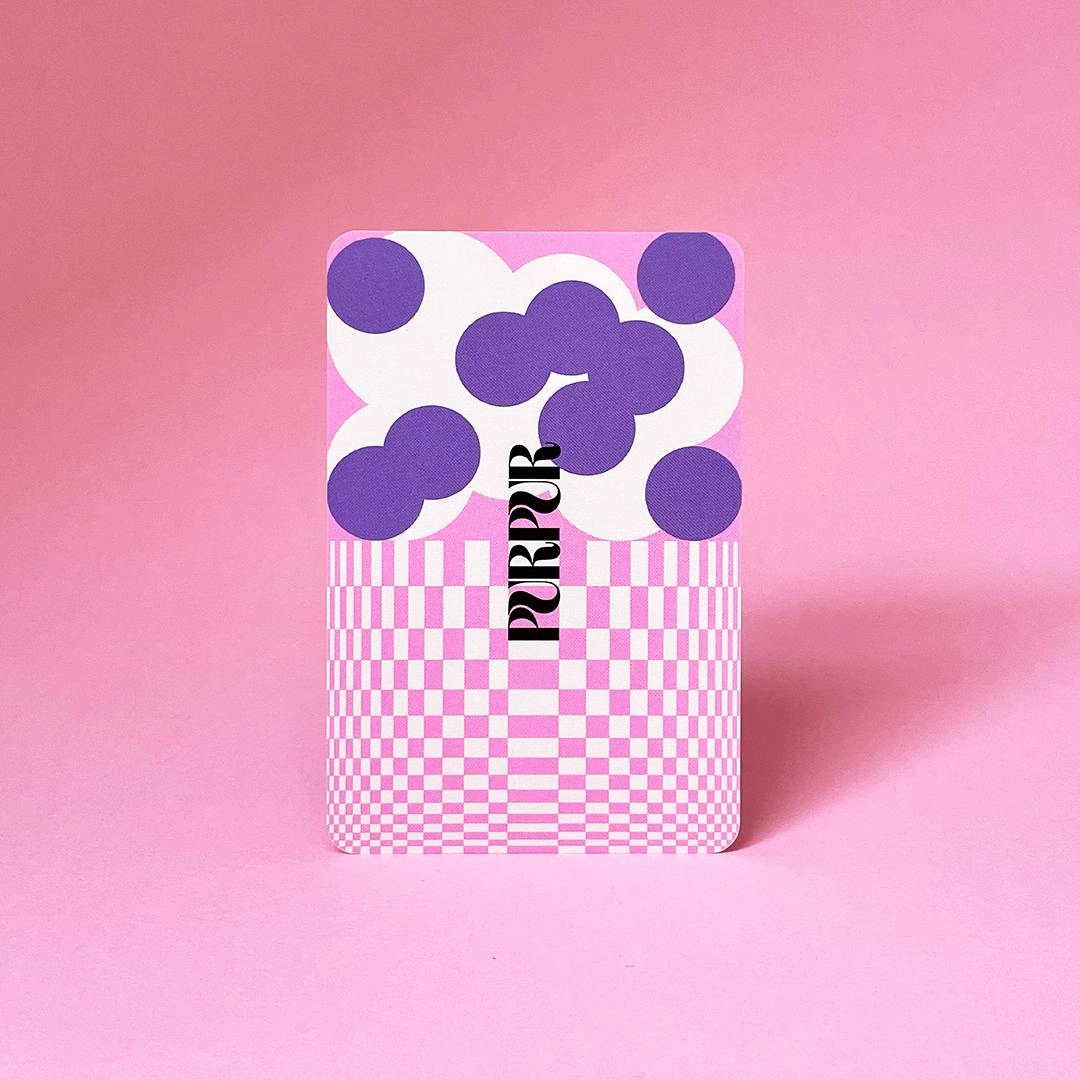
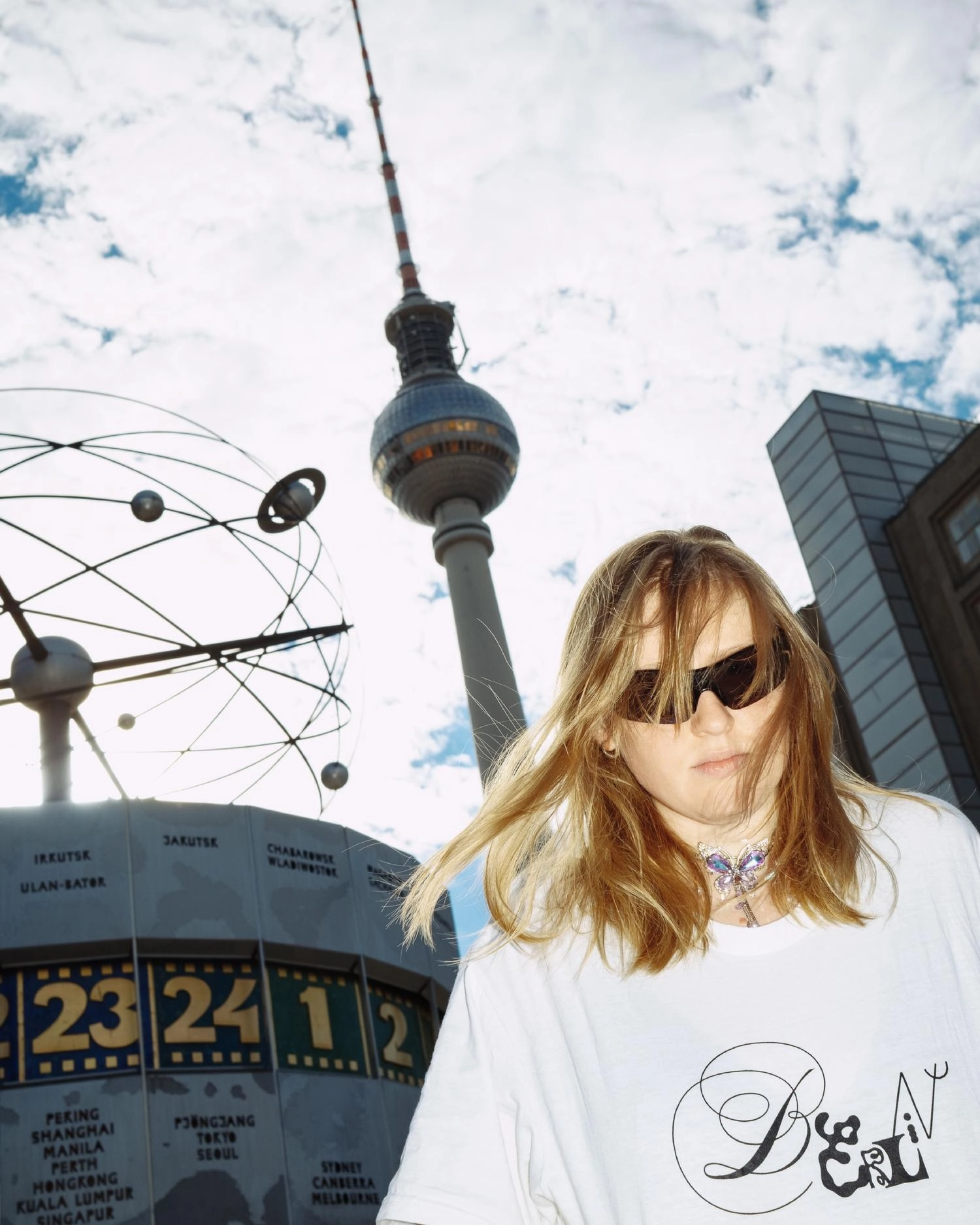
Why Berlin, and what are you doing there now?
I graduated from the British Higher School of Art and Design, from Slavin's program, in 2018. While studying I worked at Artemy Lebedev Studio and at the agency Repina Branding. Then I went to Gorky Park, we launched one ice rink, and I left for Natura Siberica, where we spent two years on a youth brand. A cool one, which unfortunately was never released: the owner got scared of spending a lot of money. It was really sad. After that came Shchuka, from 2020 to early 2024. There I grew from graphic designer to senior, then to art director. And when I moved to Berlin I left Shchuka, because I decided it was important for me to do projects abroad.
It's great to make projects for the market you live in, because the context is completely different. I don't know what's going on in Russia now, I'm not in that vibe. From what I hear, there's a lot of aggressive advertising, marketplace brands Wildberries, Ozon, Yandex constantly compete on huge street screens. That's a totally different environment. Design is very tied to the environment you live in, you have to feel it, know it, understand it.
Why Berlin? It was fairly easy to get a freelancer visa here. Lots of people did it. It's a super easy step. After that everything is harder: finding an apartment, finding clients, getting insurance – that's already difficult.
And since I had a freelancer visa, I figured why not be a freelancer, I'd never been one. When you're still a junior, you can freelance too, but you won't grow, and it's hard to take full responsibility for your design. When you've already been an art director, you can take a project end to end, present it confidently, you've been through all the steps. So now I've been a freelancer in Berlin for a year and a half. Clients are mostly American, a few German. To work here well you need German, which I'm learning. So if I work with German studios, I mostly come up with the graphics and they do the layout themselves. Widows and orphans, prepositions, all the little things – you can't do it without the language.
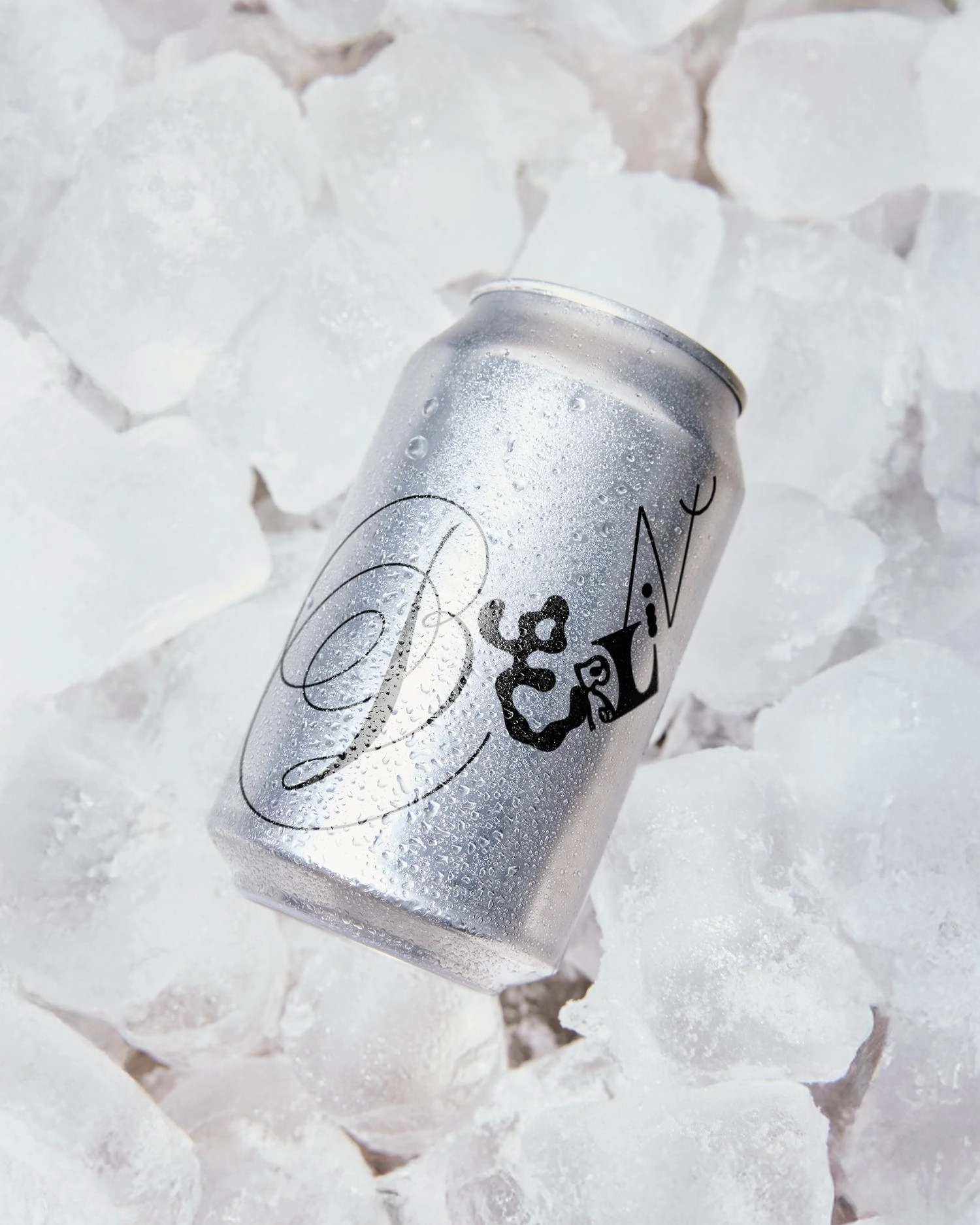
Are there any rituals or practices you notice in your work?
I always ask people to feed me input. You think about projects not only when you're sitting at the computer anyway. They feed you something, you're riding a bike, standing in the shower, and somewhere something comes. I don't know how it gets processed there. What I mean is that it's great to get briefed and then walk away – I mean not sit at the computer right after.
I also think it's very important to keep a work-life balance. You made something – it's not working, two or three hours have passed – it's great to go out, run, change activity. As a freelancer I count in hours, and that's a good practice. When you're at an agency or on the client side, you can stretch things out. But as a freelancer you plan your day by time yourself. Instead of pushing something around on the screen for another hour, it's better to go to the store, leave the house, reset for half an hour, and then everything gets done quickly. It's very important to switch your brain and let it rest.
When I start a project – besides what they feed you, it's important to sit on Instagram, on, forgive me, Pinterest, and look for something. I'm not against that at all. It's very important to feed yourself, like ChatGPT, a pile and a pile of images that will get digested in there to produce something new.
I'd like to talk about a favorite case where your vision, and the principles and decisions you formulated at the start, came together organically.
A bunch of all sorts of framework projects we did at Shchuka.
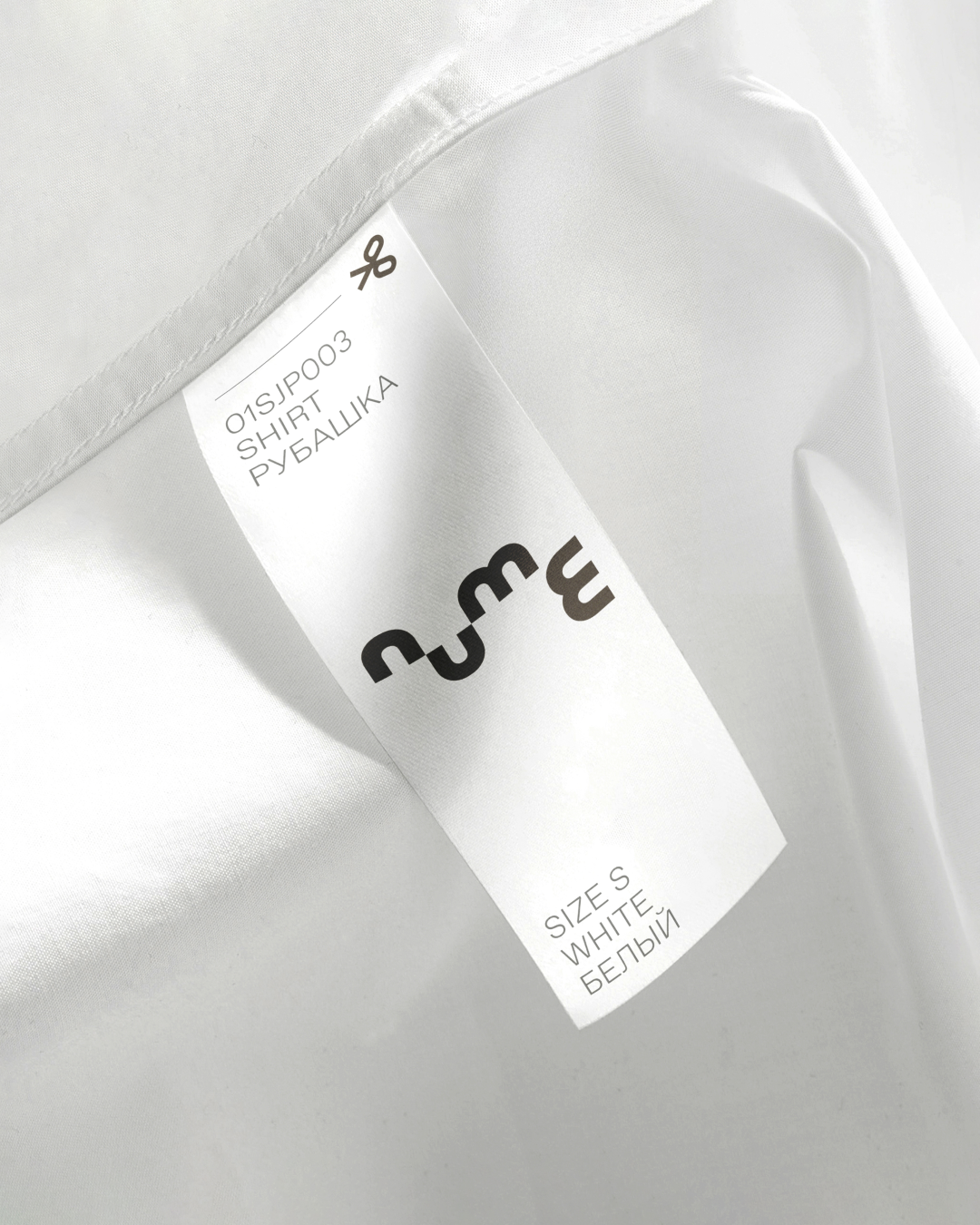
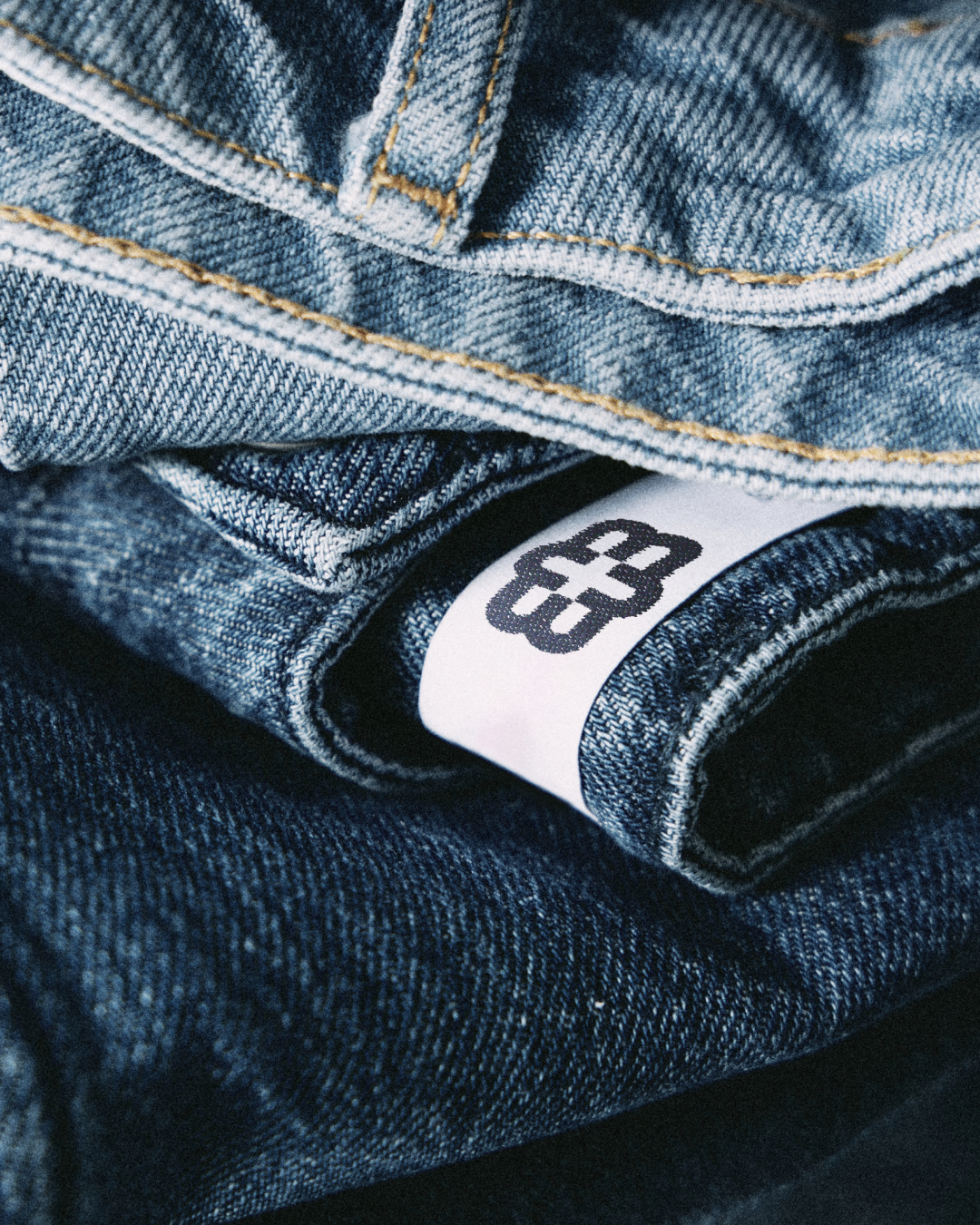
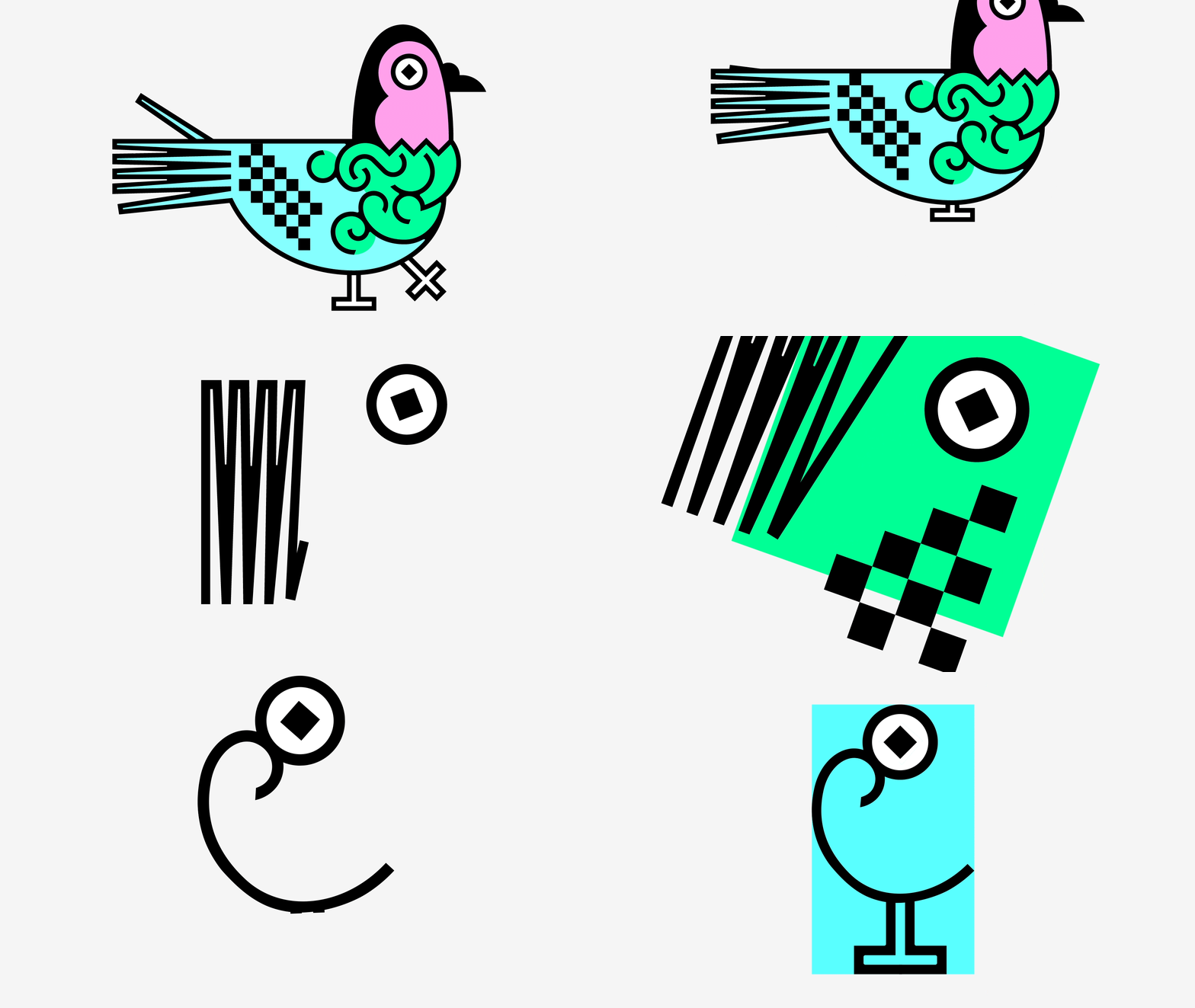
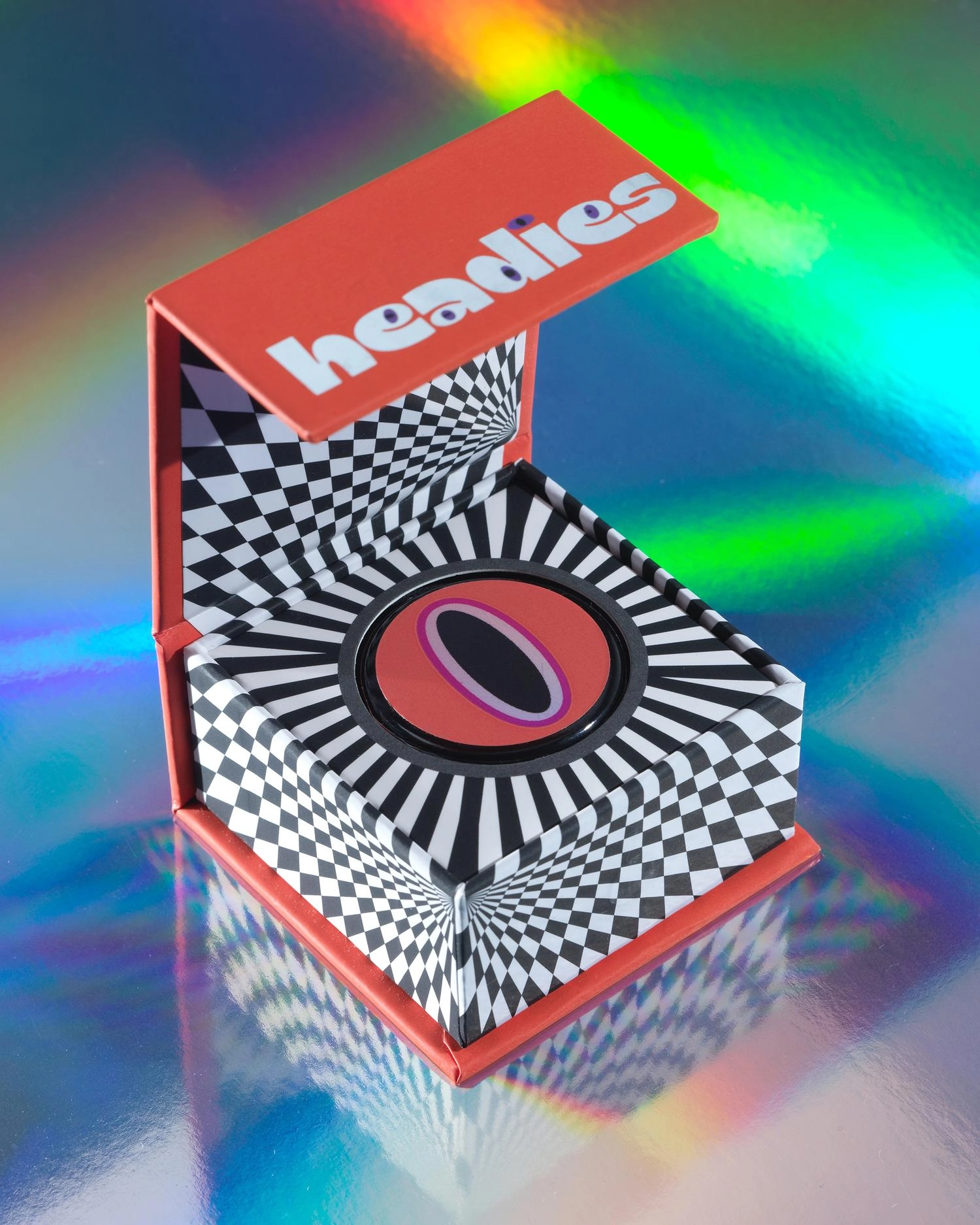
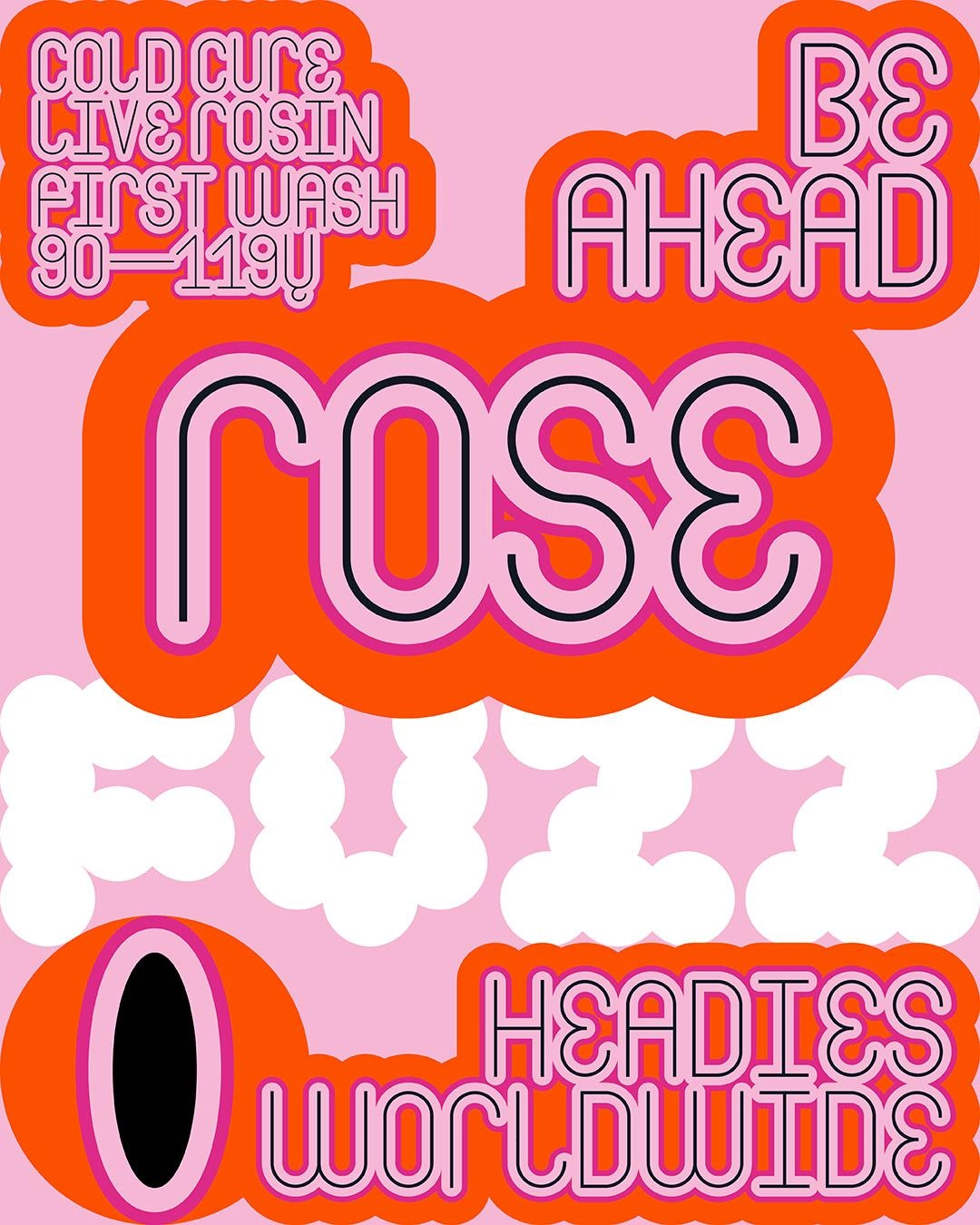
But my latest client, my favorite, is a cannabis brand from America. We've been working for over a year, on lots of different packaging. And it's the first client you make just art pieces with. You have freedom, and at the same time you're also making packaging: something that's produced and that people pay money for. I experimented, drew letters, we used different printing methods. Here I had freedom, and the guys liked everything we did, because there are no rigid frames and nobody is thinking about what the consumer will like.
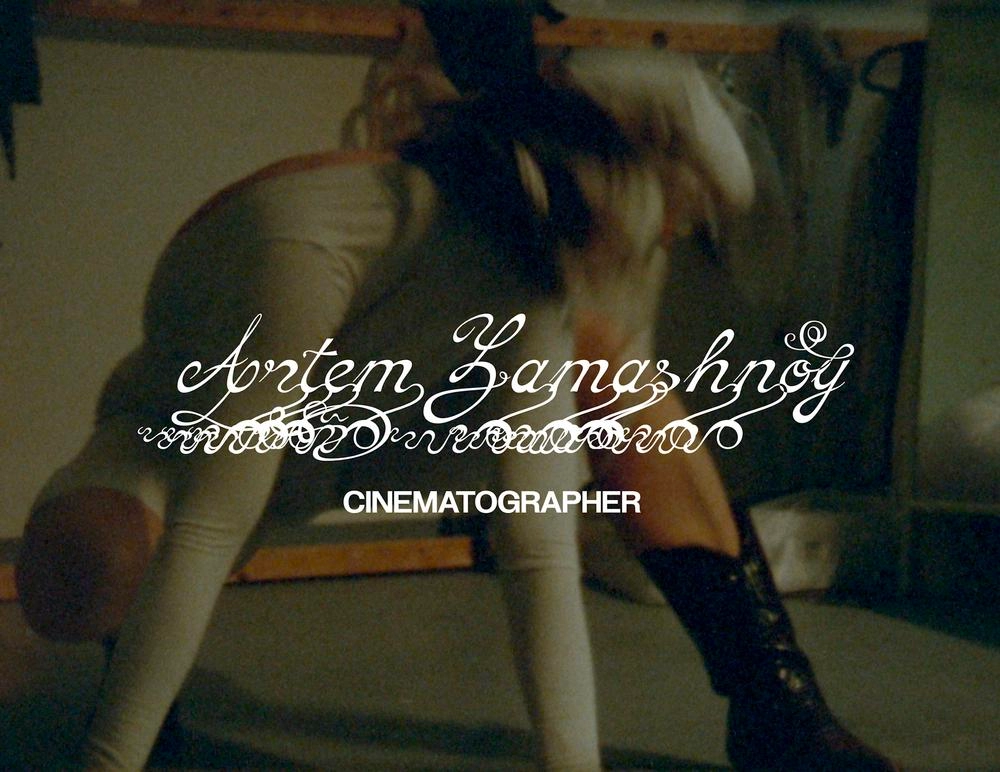
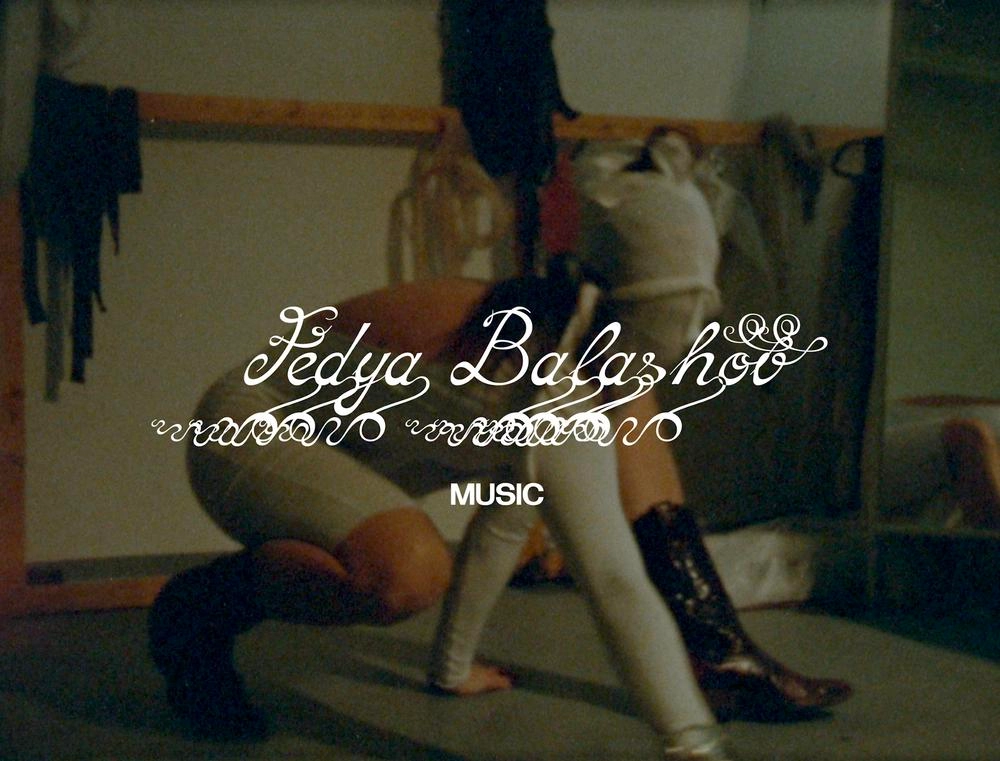
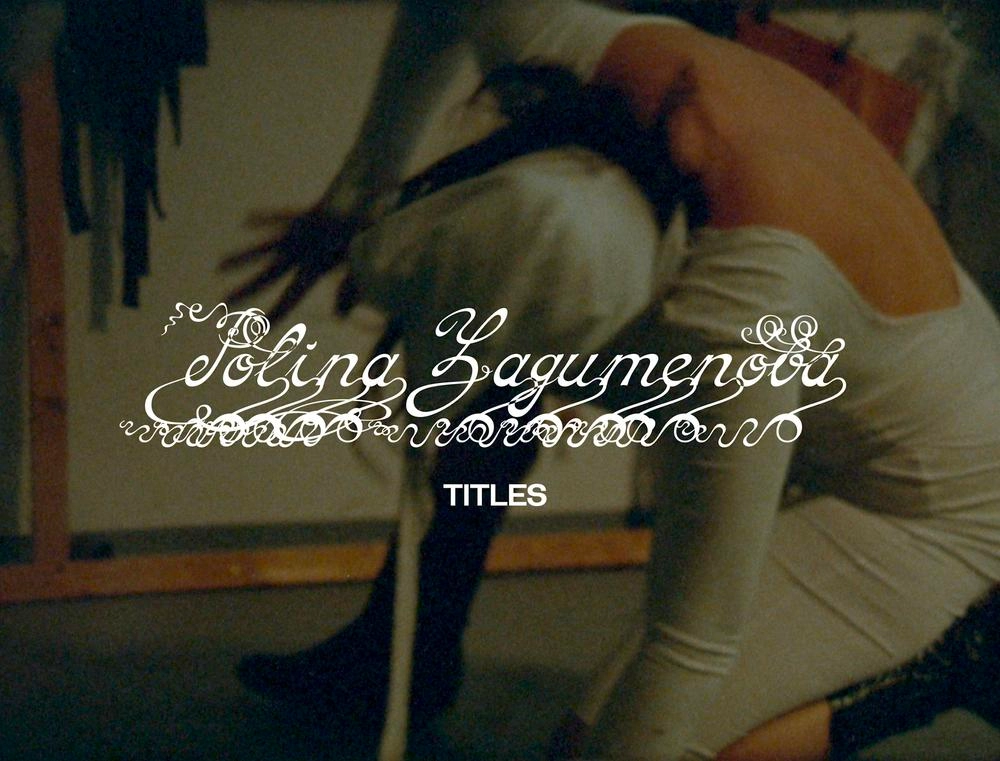
What else is fun – recently I had a book, "Guide to Paris." A tourist guide with trendy places, essentially about layout. But it's cool that it's for Paris and a fashion photographer, and it was a fun discovery with this book. After working in agencies and big corporate things, I really enjoyed myself here making small niche things. And I had fun with it. More experimental, rather. For example, credits for a video, for a magazine, from a fashion designer's show in Berlin: Velvetyne, a type foundry (French, I think), has free art fonts. The point of the show is that everyone brings their own clothes and they're the hero; so I picked a separate font for each of them. And on the final slide I mixed them all together.
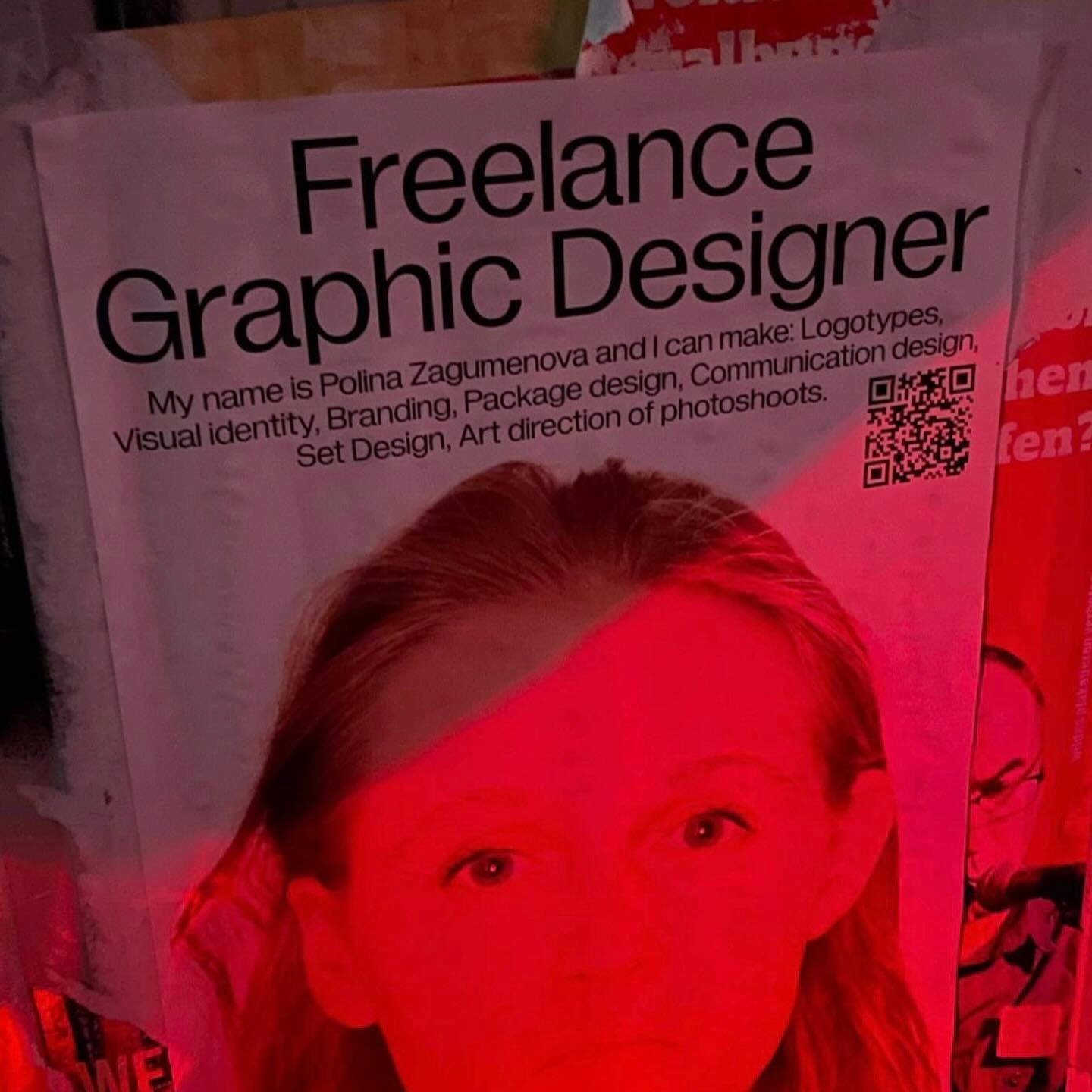
You had a viral story with posters – "I'm looking for work," "open to projects." Do you still print and put them up?
It was a fun thing. Some clients came from it, but since it's a niche thing, not very mass-market and not very arty, the clients that came weren't exactly arty-arty. I don't print that now. Now I have a poster for a more art-oriented audience. It didn't bring any jobs, but cool people from the art scene subscribed. It's more of a network. Obviously you're doing it largely for yourself, but it's also a way to collab, to meet people.
(recalls one of Polina's projects – the rebrand for Recraft AI)
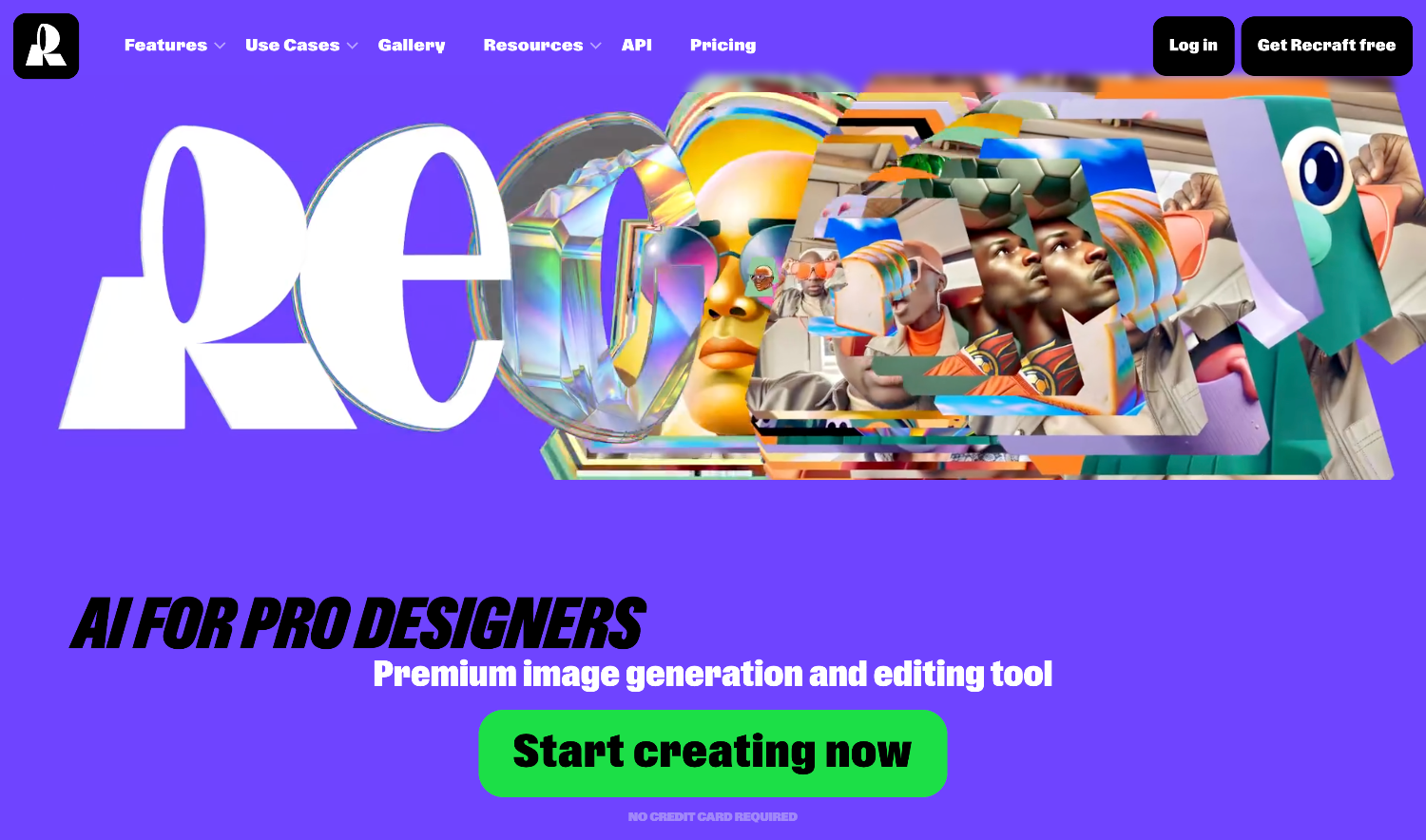
We made it together with my former colleague, motion designer Dima Kozlyaev. We made the graphics, drew the logo, came up with the morphing – how one image generates into another, to show the magic of image generation. They later removed all of it. Oh well. After the rebrand we started working on their support – a couple of months – and began generating content ourselves. They come to you and say: "We need posts." You have to add typography, generate an image, because in this case you don't search on stock, you generate. They don't bring you a photo shoot, you generate it yourself.
I terribly disliked it. Not my thing at all. I tried, but it's just not mine. I had that kind of experience of working with AI, very close, and I didn't really like it. It's a matter of taste. People are making really cool stuff now – I have a friend, a photographer, Zhenya Filatova, she makes cool creatures, and she started a long time ago. But it didn't click for me.
And so far I don't feel that AI is doing anything truly cool in design specifically. With Recraft AI we really sat with it, and there's room to grow there too. Making some icons – great. But somewhat deeper things are hard so far. Sometimes I come and ask: "Make me a picture." But usually my prompts don't work. I know it's a separate job. It didn't work out.
I'm probably not very scared. Of course I use ChatGPT, like everyone. It's a favorite, and for texts it's super. I have no complaints about texts. For images I still have big questions. And probably idea generation isn't scary: so far the network shows crude, first, clumsy thoughts. It has to develop a lot before it starts thinking like an art director.
I'd say there are things where it's great to be a master. Without experience in that one thing you won't make a great typeface. I took a summer course at Contrast Foundry – two weeks, I recommend it. It's a completely different world. I realized it's not for me, a very detailed, nitpicky thing: you measure every letter, draw four basic ones that have the right ascenders and bowl shapes, and then draw the whole alphabet based on those shapes. All by hand, long and hard. And book typography is just as separate a world. Laying out books is a really cool skill. There are people who are specifically book people, with their own style. In everything else they also pay more attention to typography – it's not poster typography, it's very fine tuning for readability, for separation.
Shchuka instilled that in me, because everyone there treats fonts and typography very carefully – the people who founded Shchuka came from the Institute of Printing. But overall I'm for experiments and a lighter attitude toward design. It's all a game, and you have to enjoy it.
If you could give advice to yourself at the start of your path, what would it be?
At the start you're very afraid, and everyone is, of making a mistake. You shouldn't be afraid to make crap and keep going. I mean, nothing good comes without crap. It's really great to be free, to experiment while you're still small, and go to work. The system is clear. It's great to work at all kinds of studios. Don't go to the client side when you're just starting out, because the client side is more about money, and a studio is more about experience and craft. On the client side you'll grow only if you have a great team, and even then it's lopsided growth, because it depends on the product. At an agency it's great to work a couple of years at the beginning, then move to the client side and grow there, and make money.