Field research, data as a foundation, and testing taste through results

How do you define "design culture" for yourself? And how about for Dodo?
Design culture for me is the balance between ambition and reality. I believe design only works if it grows the business. Not "beautiful for beauty's sake," but: we change people's behavior, metrics go up, people come back. At the same time, emotional design isn't a luxury — it's a necessity right now. Users can feel when a product is made with care, and that translates into loyalty.
But I don't hide problems. If UX is weak, we talk about it openly. If we underperformed on metrics, we analyze why. Honesty saves you from self-deception.
And also — you need speed. Fast cycles, short iterations, the ability to change course. Chaos is sometimes useful (when you're searching for a solution), but then it has to become a system: design system, processes, unified logic.
The last thing — independence of thought. I don't just agree — I question. It can be annoying sometimes, but it's the path to truth.
What I've described for myself is the same thing, just at the company scale — design culture at Dodo.
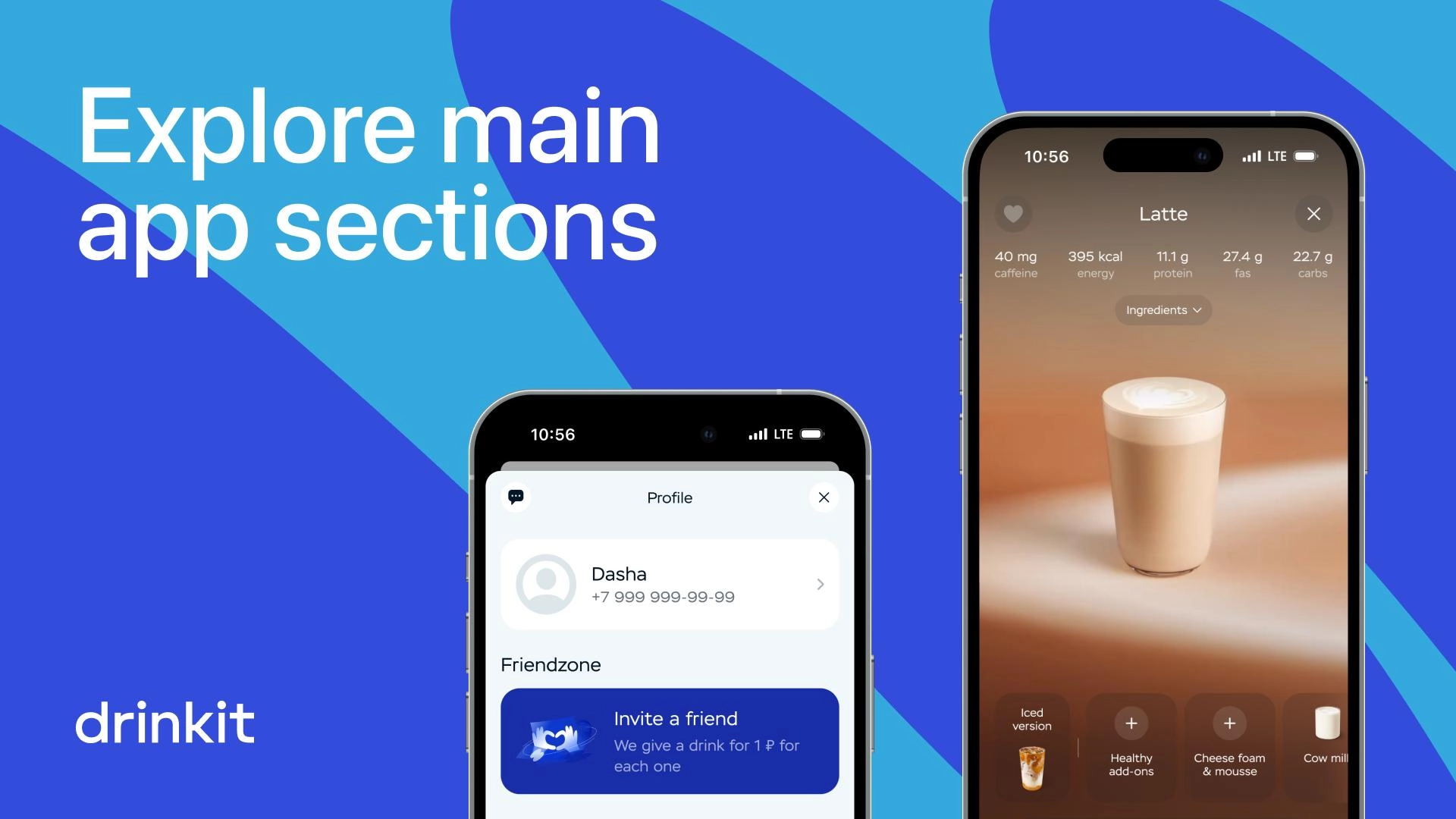
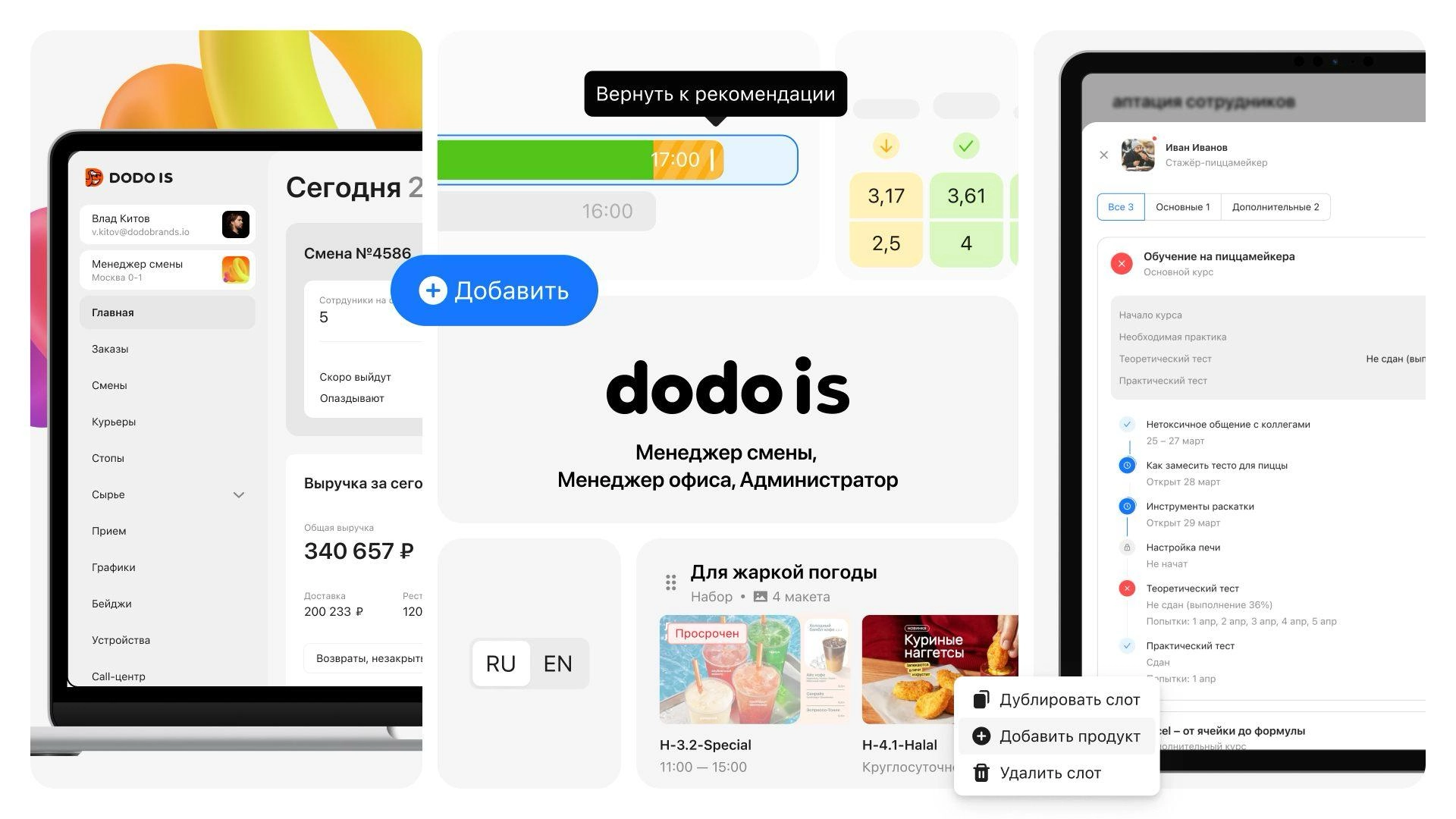
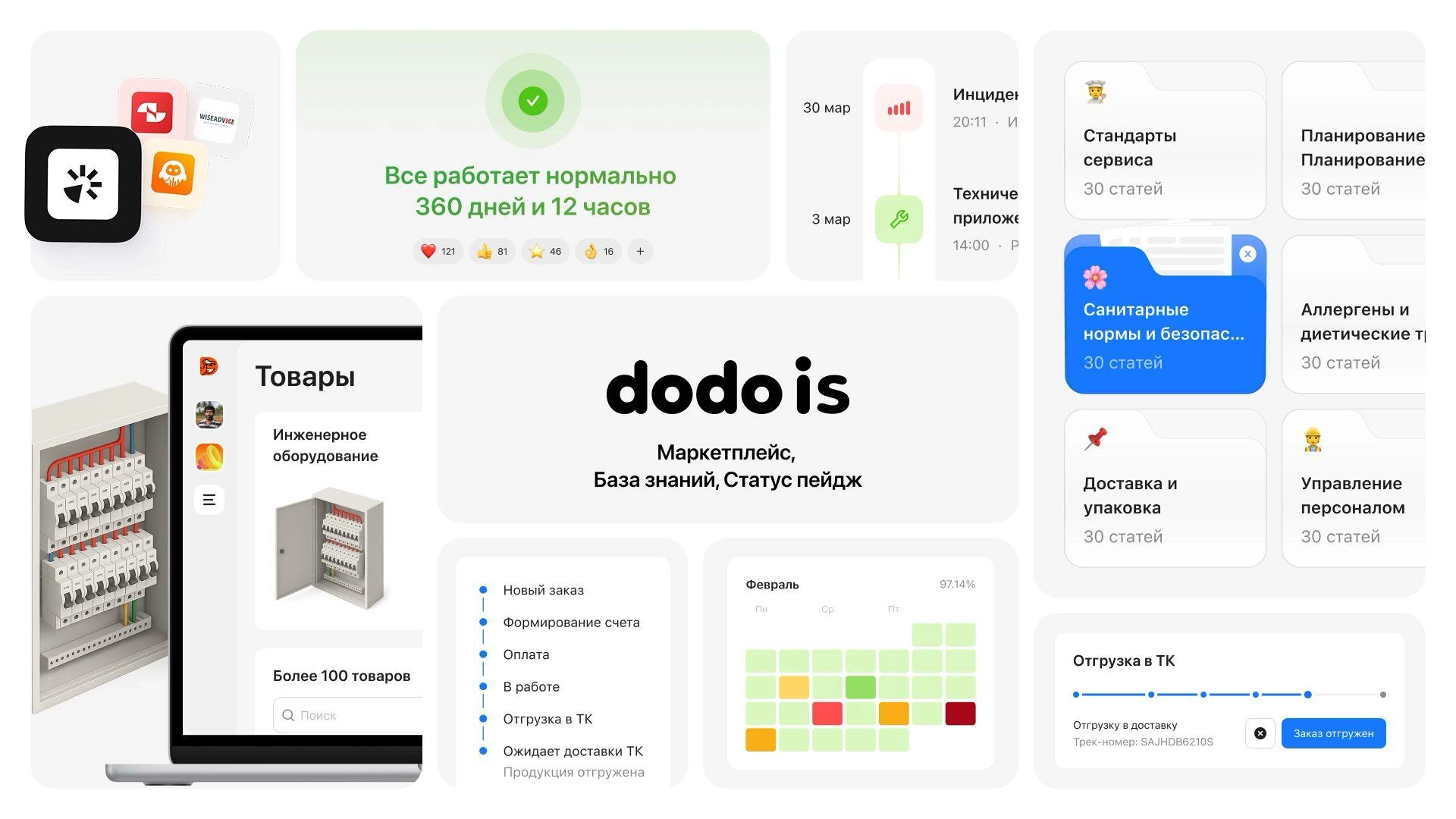
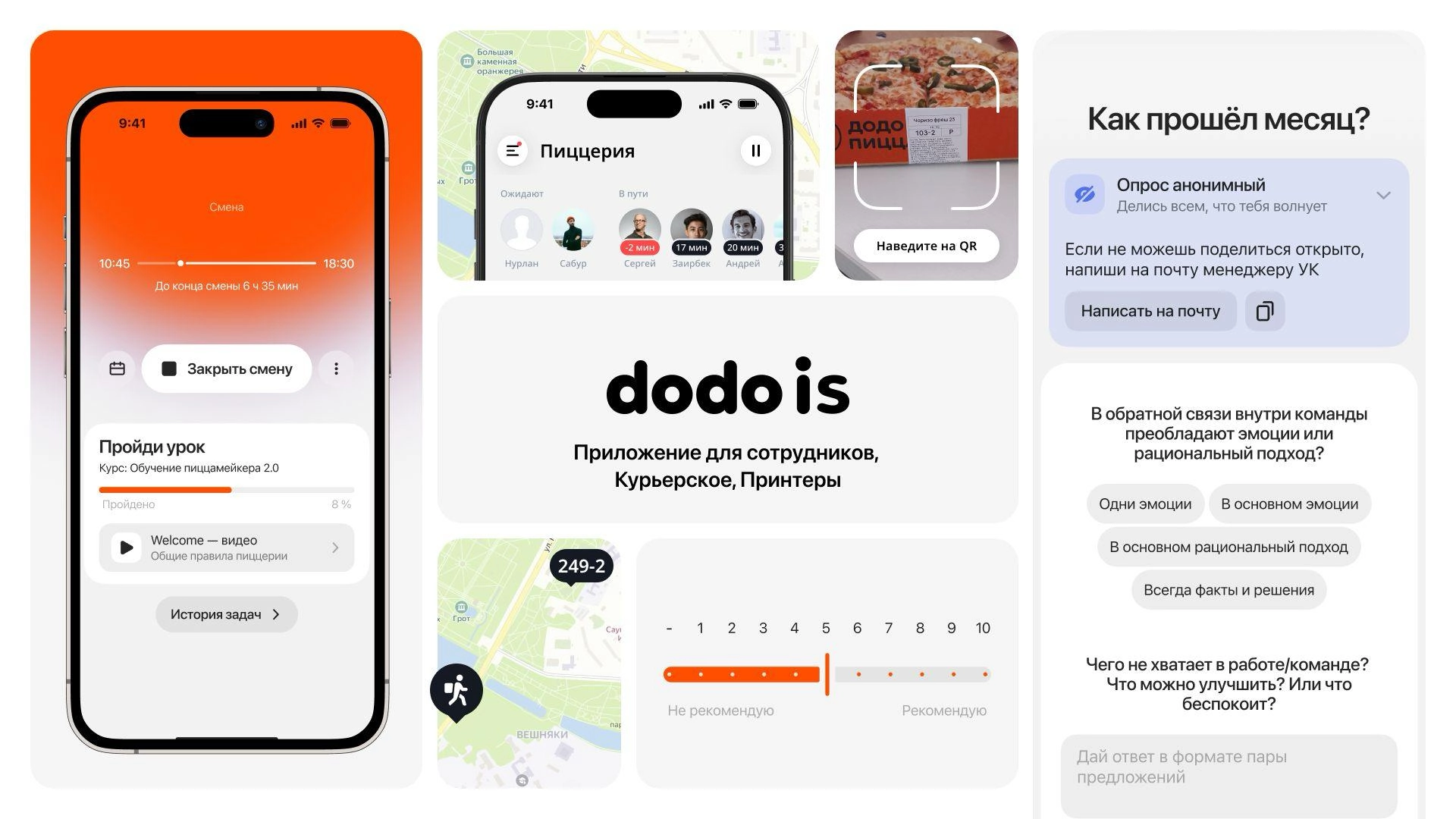
Design here isn't a support function. It's a growth tool: for pizza, for Drinkit, for the entire B2B segment. Every decision needs to scale, because we're not solving small tasks — we're building a unified product and a unified experience.
We consciously choose simplicity. "Reaching the majority of guests" — that's better for us than pleasing a minority. Remove the noise, keep the essence. But honestly, sometimes that doesn't work.
And transparency. We openly show our work, progress, even risks. CEO, CPO, teams — everyone sees the real picture. This builds trust and helps us make the right decisions together.
What practices, rituals, principles, or guiding points in your work remain constant?
Gemba and real data — that's the foundation. I don't invent UX in an office. I observe in restaurants, read metrics, listen to people. But there's a nuance: it's important to listen, but not to listen to everyone indiscriminately. Data tells the truth if you know how to read it.
Quick prototypes — we test hypotheses with polished UI, not with helpless sketches. This saves time later and helps the development team understand what we actually want.
Design system as a discipline — unified architecture, tokens, consistency. This speeds up development and creates recognition. But the system shouldn't be a cage. If the system gets in the way of the solution — we rethink it. The tool serves the goal, not the other way around.
Honest reviews — no sucking up and no politics. Facts, risk analysis, constructive feedback. Sometimes it's uncomfortable, but it's the path to quality.
Cross-team synchronization — Pizza, Drinkit, B2B all work to the same quality bar. If one product did something well, the others should know about it. No isolated towers.
Focus on emotion — micro-interactions, animations, brand voice. That's what separates "just a good product" from a product people will love.
Regularity and predictability — a stable rhythm, clear processes. People know what to expect, when the deadline is, how we work. This builds trust.
Demanding without the bullshit — I'm demanding when it comes to the quality of work. But I'm open, honest, and I don't crush people's spirits. We're not here just for the money (though salary matters). We're here for the case, for the experience, for making great products. If you're on our team — you understand that from day one.
How do you translate values into design decisions — what do you rely on first? How do you guide the team?
First and foremost, I work with art directors and leads. They're the leverage points. If a lead understands where we're heading, they'll guide the team on their own. Sometimes I come directly to teams, but that's rarer now — because good leads already know the logic.
Emotion plus utility at the same time. A solution should improve a person's behavior, not just look pretty. The visual is the cherry on top. The point is that emotion and function go hand in hand. They shouldn't be disconnected from each other.
Brand context is different for each product.
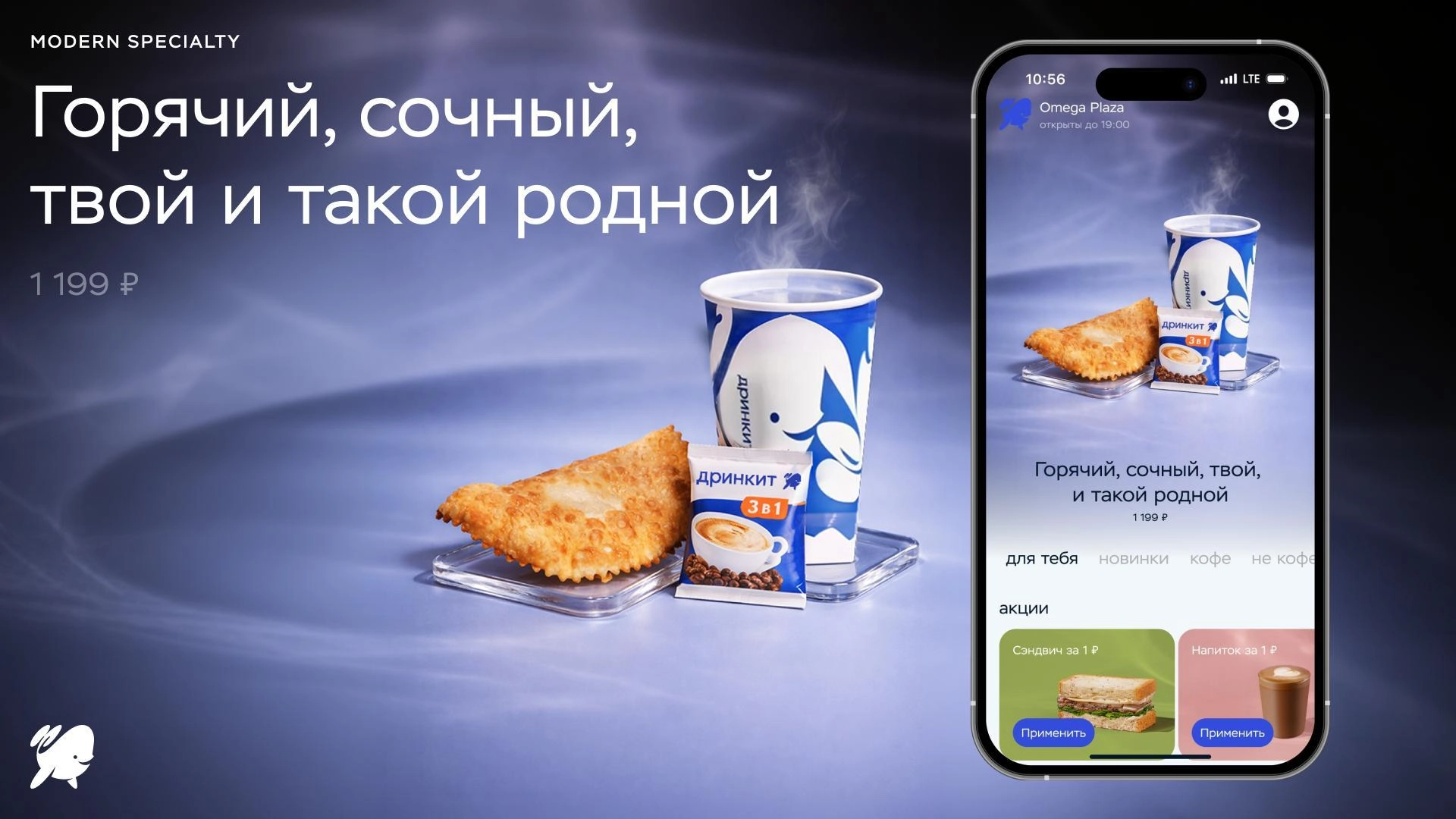
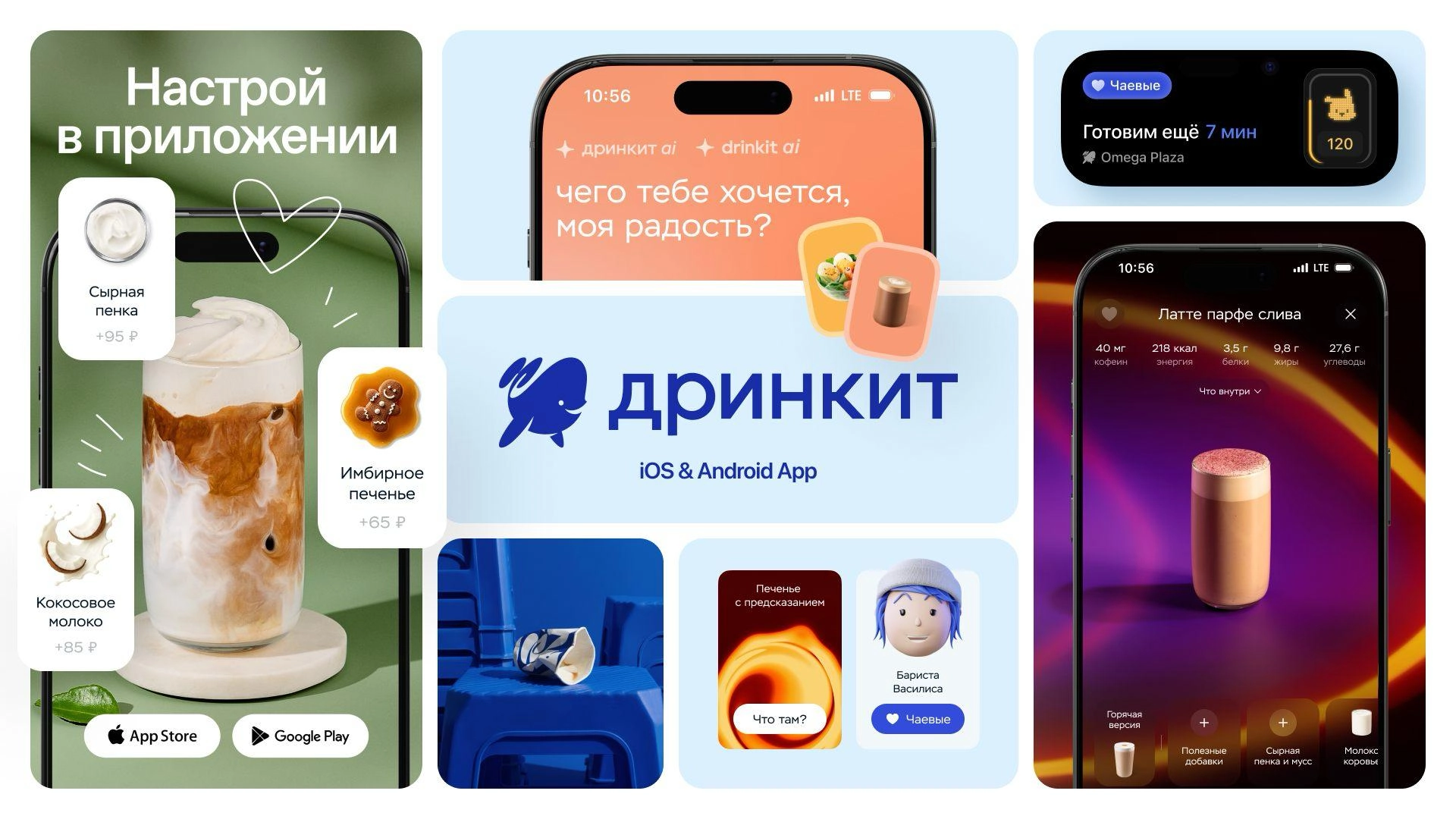
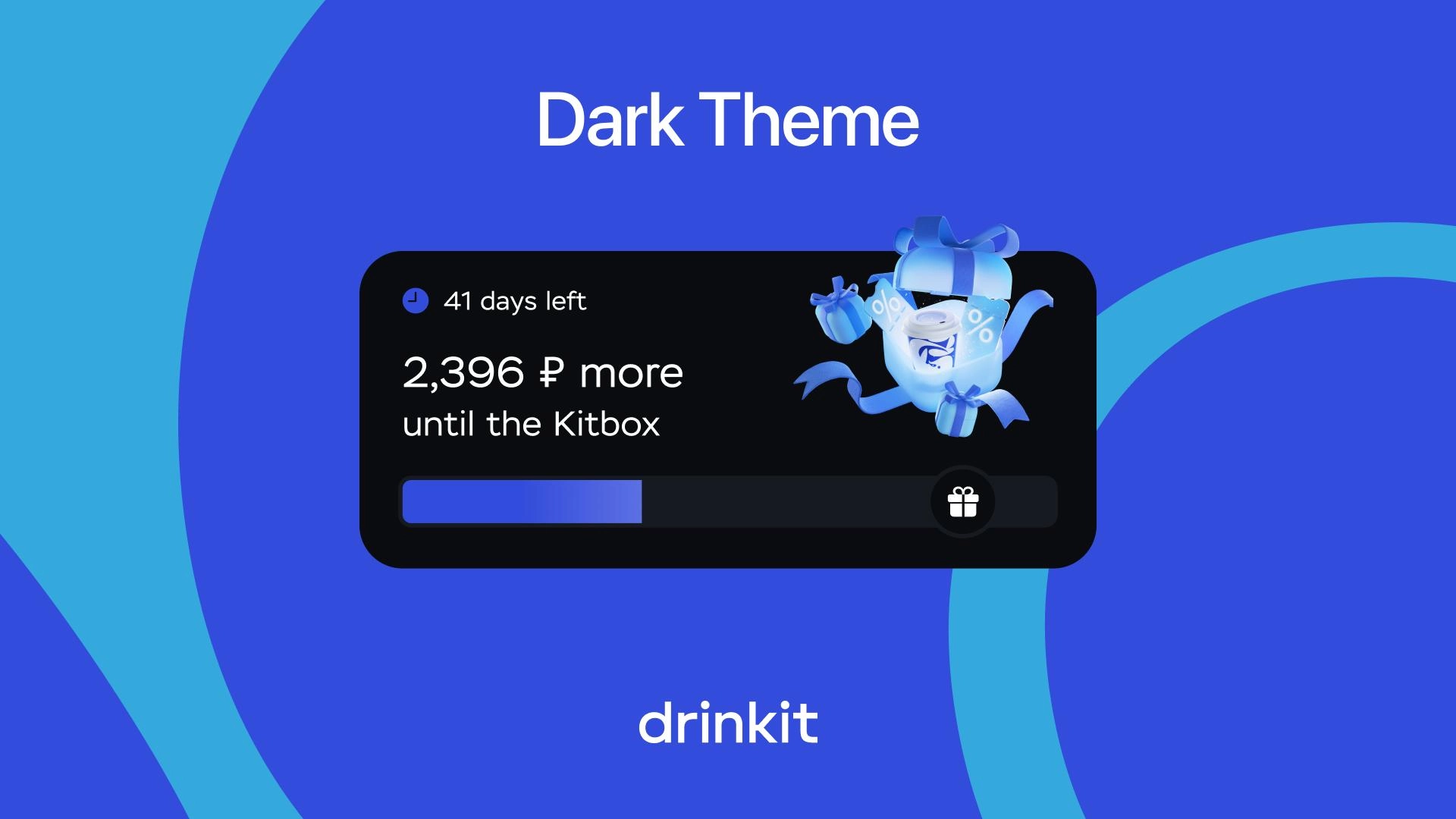
Drinkit — it's about atmosphere and vibe. You open the app and immediately feel that it's a good time.
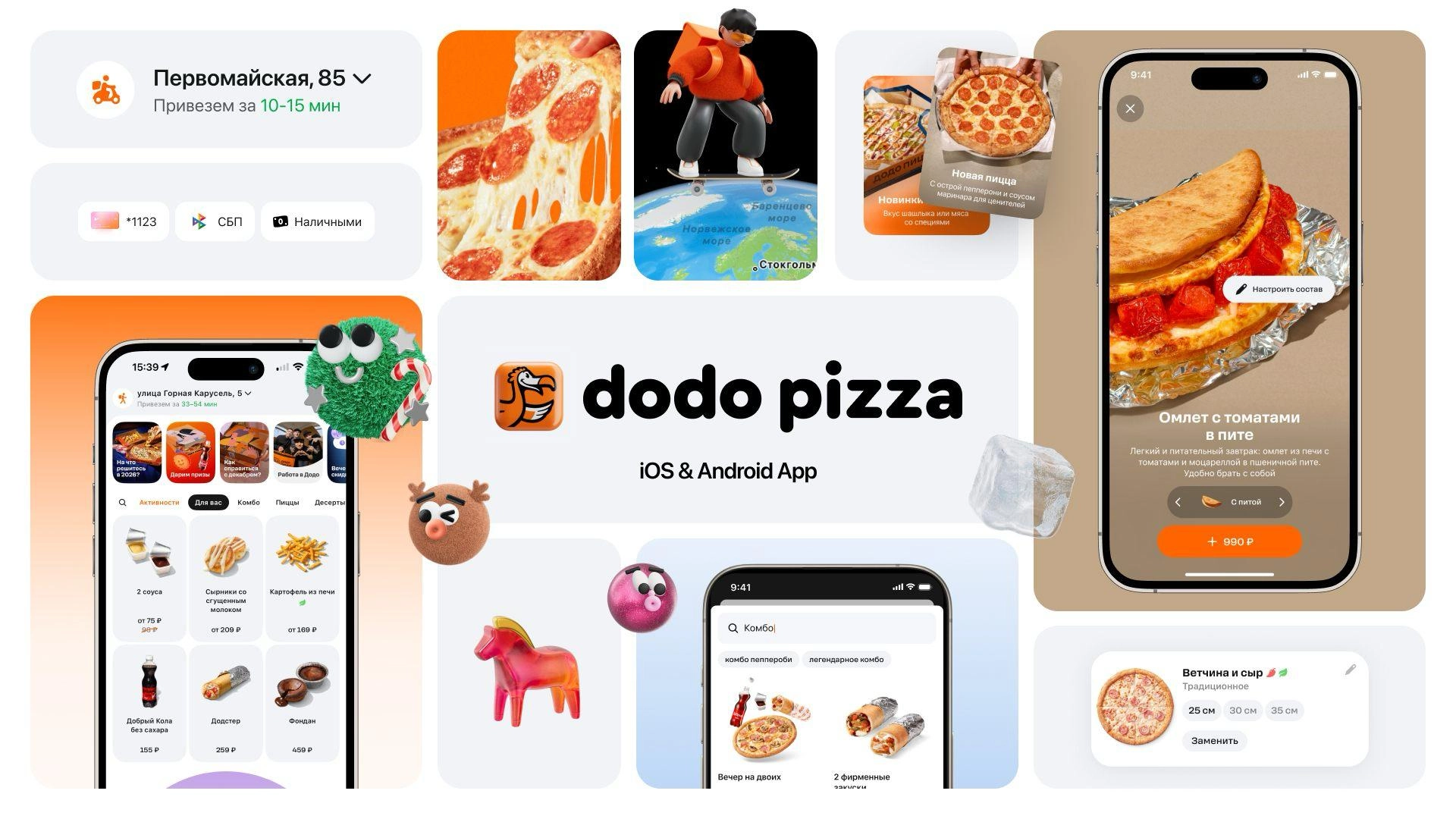
Pizza — it's about speed, convenience, and emotion. Fast, simple, but with soul.
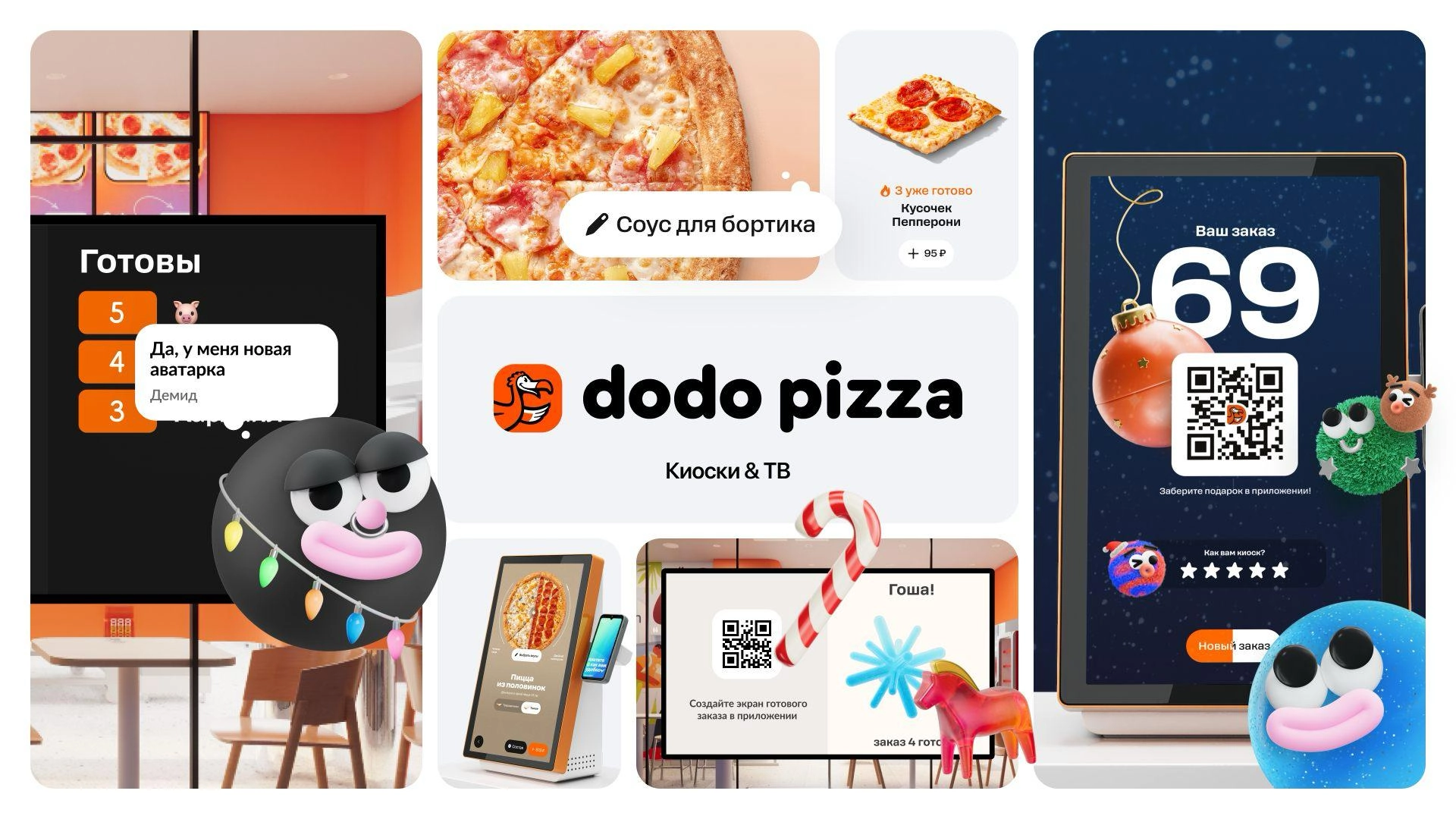
B2B — it's about reliability and efficiency. Partners need to feel that we're serious.
Each product speaks its own language, but the logic is the same.
Simple decision-making rules: guest's problem → data → prototype → final. We don't start with the visual. We start with "what hurts the user and why?"
Within the team (through leads and art directors):
– They gather references — not to copy, but to understand how the best solve similar problems.
– I ask questions that uncover the problem. Often a designer sees the symptom, not the cause.
– I require reasoning. "It's beautiful" isn't an argument. "This improves conversion because..." — now that's an argument.
– We push to the level of: "How would a top product do this?" That's a benchmark, not copying. We look for what makes our product better, not just "similar."
Are there questions that particularly concern you today (talent, generations, a11y, AI, etc.)?
Talent quality and growth. How do you grow middle → senior faster? Where do we need strong art directors — right now the levels vary everywhere. It's not just about numbers. It's about the fact that a strong senior changes the quality of the entire team. And I see that the flow of good candidates on the market isn't that big.
The generational gap. The new generation of designers is different — different expectations, different pace of life, different values. The older generation seems to be burning out. How do you maintain a shared tempo when expectations are so different? How do you not lose the best people? Honestly, there are problems everywhere.
Quality degradation in the market. Lots of weak designers, few systems thinkers. It used to be that a designer would come up with and draw a solution. Now often a designer waits for development to drag something into production, then paints over it. Or does a product manager's job instead of solving design problems. It's sad.
AI — that's a complex question. You can save time: problem discovery, analytics automation, generating variants. That's real. But there's a risk: designers will start thinking less. AI can kill critical thinking if you're not careful. You need to strengthen your thinking even more, not rely on generation. And there's another unsolved question: how do you assemble a tool stack that actually delivers results? Right now it's all individual tools, not a system.
A11y. We were very strong in that area. We even had a guide from our former head of mobile — a book on a11y. Now designers prepare separate mockups for accessibility. But lately we've slowed down a bit. We need to bring it back as a priority.
Speed of change in crisis conditions. How do you maintain quality standards when everything around is optimization, layoffs, crisis management? It's easy to lower standards for speed. But that hurts more later.
Within the team — what do you articulate as quality? And related to that, I'm curious about the balance of values, metrics, and KPIs.
What we articulate as quality:
Product thinking. A solution should grow metrics, not just please us on the team. "I like it" isn't an argument. "This improves conversion by 15%" — now that's something.
Clean and systematic UI. Unified patterns, no "gimmicks." Beautiful chaos isn't beauty — it's chaos. A system that works and scales — that's quality.
Predictability of results. You hand off a task → you get a strong result without micromanagement. If it needs to be redone twice, that's not quality. Quality is when a designer understands the bar and hits it on the first try.
Accountability. The designer holds the end of the chain. Not "I made a mockup — the rest isn't my problem." But "I'm responsible for how this will be in production, and I'll verify it."
Ability to give meaning. Copy, structure, explanation of choice. Good design isn't just beautiful — it's understandable. And a designer should be able to explain why exactly this way and not another.
The balance of values, metrics, and OKRs: it's important not to confuse three layers:
– Values — this is about "how we do things": honesty, simplicity, speed. That's culture. It doesn't change even if metrics drop.
– Metrics — this is about "what we improved": conversions, number of steps, time per action. Metrics show whether our solution works in reality.
– OKRs — this is about strategy. We use OKRs instead of KPIs. And they're synchronized with the business so everyone runs in the same direction. They incorporate product goals, business goals, and team growth.